

Imagine meticulously planning your dream Kenya safari, only to arrive and find sparse wildlife, flooded roads, or endless crowds blocking your view of a lion hunt. It’s a frustrating scenario many travelers face when they don’t consider the nuances of Kenya’s climate and wildlife cycles. Timing a trip to East Africa isn’t about picking a random month. It’s about understanding the delicate dance between dry and wet seasons, the movements of millions of animals, and how these factors shape your experience on the ground. Getting it right ensures you witness the spectacular, rather than merely hoping for it. Your safari adventure hinges on aligning your visit with nature’s grandest schedules.
Understanding Kenya’s Two Main Seasons for Safari Goers
Kenya experiences distinct wet and dry seasons, and these dictate animal behavior, vegetation density, and ultimately, your safari experience. Understanding these patterns is fundamental for any successful trip planning. The dry season is often hailed as the prime time for wildlife viewing, but the wet season offers its own unique charm, provided you know what to expect.
The Long Dry Season (July to October)
This period is generally considered the peak season for safaris in Kenya. With very little rainfall, the vegetation thins out, making it easier to spot animals in the bush. Water sources become scarce, forcing wildlife to congregate around rivers and waterholes. This concentration makes game drives incredibly rewarding. The temperatures are warm and pleasant, rarely becoming uncomfortably hot. For instance, in the Masai Mara, daytime temperatures typically hover around 25-28°C (77-82°F). However, this popularity means higher prices for accommodations and potentially more crowded safari vehicles, especially at major sightings.
The Short Dry Season (January to February)
Following the short rains of November and December, Kenya experiences another brief dry spell. This time offers excellent game viewing, particularly after the landscape has had a chance to green up slightly, providing a beautiful backdrop for photography. Temperatures are similar to the long dry season, making for comfortable days on safari. It’s a fantastic window if you want to avoid the absolute peak crowds of the Great Migration but still desire reliable wildlife sightings. Parks like Amboseli National Park are particularly good during this period, with stunning views of Mount Kilimanjaro often clearer.
The Wet Seasons (November to December & March to May)
Kenya has two distinct rainy seasons: the short rains from November to early December and the long rains from March to May. During these times, the landscape transforms into lush green plains, which are incredibly beautiful. This is the low season for tourism, meaning fewer crowds and lower prices on lodges and camps. While game viewing can be more challenging due to thicker vegetation, many animals are born during these periods, offering incredible opportunities to see newborn calves and their protective mothers. Birdwatching also peaks as migratory birds arrive. Roads can become muddy and challenging, especially in remote areas of parks like Tsavo, sometimes requiring 4×4 vehicles with experienced drivers. Despite the rain, it rarely pours all day; typically, you’ll experience heavy afternoon showers followed by clear skies.
The Great Migration: Timing Your Visit to the Masai Mara
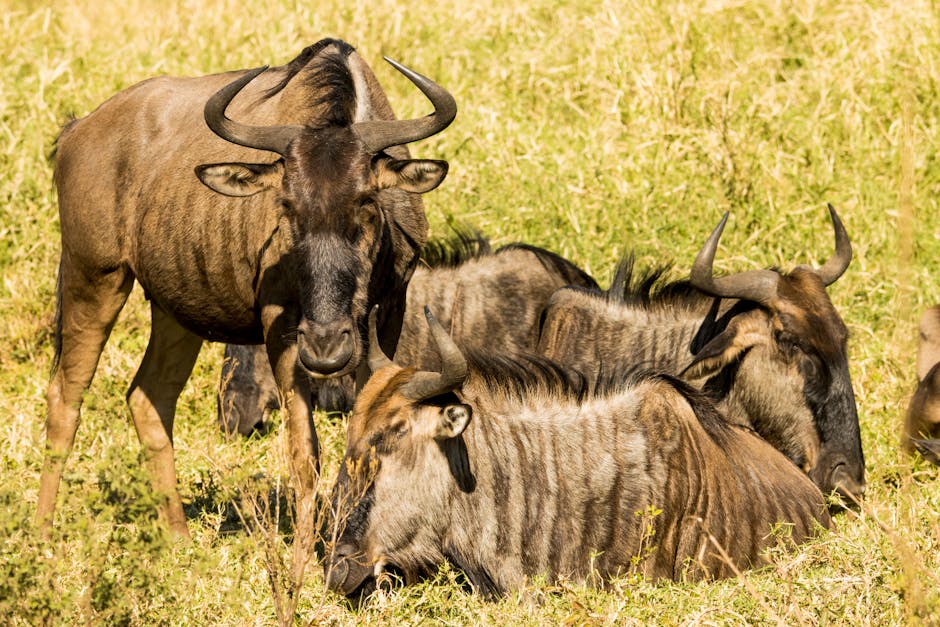
The Great Migration is one of the most spectacular wildlife events on Earth, and witnessing it is a primary reason many travelers choose Kenya. This annual movement of over two million wildebeest, zebras, and gazelles through the Serengeti-Mara ecosystem is a dynamic, fluid event, highly dependent on rainfall and grazing availability. While the exact timing varies each year, the general patterns are well-established.
River Crossings (August-September)
For many, the most iconic image of the Great Migration is the perilous river crossing. From roughly August to September, vast herds congregate along the Mara River in the Masai Mara, attempting to cross its crocodile-infested waters into fresh grazing lands. This period offers incredible drama and unforgettable photographic opportunities. Booking accommodation in the Mara during these months, especially in prime locations near river crossing points, needs to happen 12-18 months in advance. Camps like Governors’ Camp or Little Governors’ Camp, directly on the Mara River, offer unparalleled access to these events, but come with a significant premium due to demand. Witnessing thousands of animals brave the river is a raw, powerful experience that defines a safari for many.
Calving Season (January-February)
While the river crossings get the most attention, the calving season in the southern Serengeti and Ndutu areas (just across the border in Tanzania, but influencing the migration’s broader cycle) also plays a crucial role. In January and February, hundreds of thousands of wildebeest calves are born within a few weeks. This attracts predators like lions, cheetahs, and hyenas, making for intense predator-prey interactions. Although this specifically occurs in Tanzania, the herds begin their journey northward towards Kenya in the subsequent months. Visiting Kenya in January-February means you’ll still have excellent game viewing, often with resident herds in the Mara, and you can appreciate the wider migration cycle even if you’re not seeing the mass births directly within Kenya itself. This time also offers a chance to see resident wildebeest herds in the Loita Plains, east of the Mara, as they undertake their own smaller, localized migration.
Beyond the Mara: Best Times for Specific Parks and Activities
While the Masai Mara and the Great Migration dominate many safari discussions, Kenya offers a diverse range of ecosystems and activities. The best time to visit these other areas might not always align perfectly with prime Mara season, presenting interesting trade-offs for a comprehensive trip. Considering what else you want to experience can significantly alter your ideal travel window.
| Destination/Activity | Best Time to Visit | Why | Typical Experience |
|---|---|---|---|
| Amboseli National Park | June to October, January to February | Dry conditions concentrate elephants; clearer views of Kilimanjaro. | Large herds of elephants, iconic Kilimanjaro backdrop. |
| Samburu & Laikipia | June to October | Dry season forces animals to permanent water sources; easier spotting. | Unique ‘Samburu Five’ (Grevy’s zebra, reticulated giraffe, gerenuk, Somali ostrich, Beisa oryx). |
| Lake Nakuru & Lake Naivasha | July to March | Water levels are generally good for birdlife; concentrated rhino sightings. | Flamingos (variable), rhinos, pelicans, boat safaris. |
| Coastal Escapes (Diani Beach, Malindi) | October to March | Warm, dry weather; ideal for beach activities, diving, snorkeling. | Relaxing, watersports, deep-sea fishing, exploring Swahili culture. |
| Mountain Trekking (Mt. Kenya) | January to February, July to October | Drier conditions, better visibility, safer climbing routes. | Challenging ascent, diverse landscapes, fewer leeches. |
For example, if your primary goal is to see Amboseli’s famous elephants with Kilimanjaro looming in the background, the drier months of January-February or July-October provide the clearest views of the mountain, free from cloud cover. Samburu National Reserve, known for its unique northern species, also shines during the dry season when animals gather around the Ewaso Ng’iro River. If a beach holiday in Diani Beach is part of your plan, the coastal areas are best from October to March, offering calm seas and plenty of sunshine. These months often coincide with the Mara’s low or shoulder seasons, forcing a decision on priorities.
Cost Considerations Across Seasons: When Your Wallet Feels Best

Choosing your travel dates isn’t just about wildlife; it significantly impacts your budget. Kenya’s safari industry operates on a clear seasonal pricing structure, and understanding it can save or cost you thousands of dollars.
The plain truth is this: if you want to save money, avoid the peak safari months. The value you get during the shoulder or low season, even with the trade-offs, can be substantial.
Peak Season Premiums
During the Great Migration (July to October) and the short dry season (January to February), demand for lodges, camps, and guides skyrockets. Expect to pay premium rates, often 30-50% higher than during the low season. For a mid-range safari, this could mean an extra $500-$1000 per person for a week-long trip. Availability also becomes a major issue; booking 12-18 months ahead is standard for popular camps like Sanctuary Olonana or Angama Mara during migration time. Park entrance fees, however, typically remain constant year-round, for example, around $70-80 per person per day for national parks like the Masai Mara National Reserve.
Off-Peak Bargains
The wet seasons, particularly March to May, offer the most significant discounts. Many lodges run special offers, and you’ll find more flexibility in bookings. While some smaller camps might close during the heaviest rains, most larger, well-established operations remain open. This period provides an excellent opportunity for budget-conscious travelers to experience a luxury safari at a fraction of the cost. The landscapes are greener, the air is clearer, and you’ll often have vast plains to yourself, offering a more intimate safari experience.
Weighing the Trade-offs: Crowds, Photography, and Road Conditions
There is no single “perfect” time to visit Kenya that suits every traveler. Every season comes with its own set of advantages and disadvantages. The best approach involves prioritizing what matters most to you and accepting the compromises that come with it.
Here’s my strong opinion: For most first-time safari-goers, especially those dreaming of the Great Migration, the dry season (July to October) is the superior choice, despite the crowds. The sheer volume of wildlife concentrated around water sources and the drama of the river crossings often outweigh the inconvenience of more vehicles.
Crowds vs. Solitude
During peak dry season, especially around the Mara River crossings, you will encounter other safari vehicles. It’s simply the reality of such a popular event. If solitude is your absolute priority, consider the shoulder seasons (June or November) or focus on less-visited parks like Meru National Park or Tsavo East, which see fewer tourists even in peak times. The low season, particularly the long rains, guarantees the most peaceful experience, often feeling like you have the wilderness all to yourself.
Photography Opportunities
Each season offers unique photographic potential. The dry season provides dramatic dusty scenes, clear skies, and sharp light, with animals easy to spot against sparse vegetation. River crossings are, of course, unparalleled. However, the wet season brings vibrant green landscapes, stunning cloud formations, and dramatic skies, perfect for capturing evocative landscape shots. The softer light after rain can be ideal for portraits of animals, and you’ll find fewer vehicles vying for the same angle. Consider what kind of photography you prioritize.
Road Accessibility
Kenya’s park roads are primarily dirt tracks. During the dry seasons, they are generally passable, though dusty. The wet seasons can transform these tracks into muddy, challenging routes. This might mean longer travel times, diversions, or even some areas becoming temporarily inaccessible. However, safari vehicles are typically robust 4x4s, and experienced drivers are skilled at navigating these conditions. If you’re prone to motion sickness or prefer smoother rides, the dry season is a safer bet. Keep in mind that heavy rains might also affect internal flight schedules to remote airstrips.
Answering Your Top Questions on Kenya Travel Seasons
Planning a trip to a new continent can bring up a lot of practical questions beyond just when to go. Let’s tackle some common concerns about visiting Kenya.
Is it safe to travel during the rainy season?
Yes, absolutely. The rainy season in Kenya does not typically equate to widespread danger or completely shut down tourism. Most well-established lodges and camps operate year-round. The main challenges are usually limited to road conditions within the parks becoming muddy, which can slow down game drives. Some smaller, seasonal camps might close, but the majority remain open. It’s crucial to confirm your itinerary and the accessibility of specific routes with your safari operator. Flash floods in specific river crossings are rare but possible during exceptionally heavy downpours, which is why having an experienced guide is vital.
What about malaria risk?
Malaria risk in Kenya is present year-round, particularly in low-lying areas, coastal regions, and around Lake Victoria. However, the risk can be slightly elevated during and immediately after the rainy seasons (March-May and November-December) due to increased mosquito breeding. It’s imperative to consult your doctor or a travel clinic well in advance of your trip to discuss antimalarial prophylaxis. Regardless of the season, always take precautions: use mosquito repellent with DEET, wear long sleeves and pants at dawn and dusk, and sleep under a mosquito net if provided. Areas at higher altitudes, like Nairobi or the higher parts of the Aberdares, generally have a lower risk.
How far in advance should I book?
Booking lead times vary dramatically by season. For peak season travel, particularly if you want to experience the Great Migration river crossings (July-September) or specific high-demand camps, you should plan to book 12 to 18 months ahead. This ensures availability and often better pricing. For the short dry season (January-February) and shoulder seasons (June, October, early December), 6-9 months is generally sufficient. If you’re targeting the low season (March-May), you might find good availability and deals even 3-6 months out. However, for any time of year, booking flights well in advance usually secures better fares.
The single most important takeaway for visiting Kenya is to align your expectations with the season you choose.