
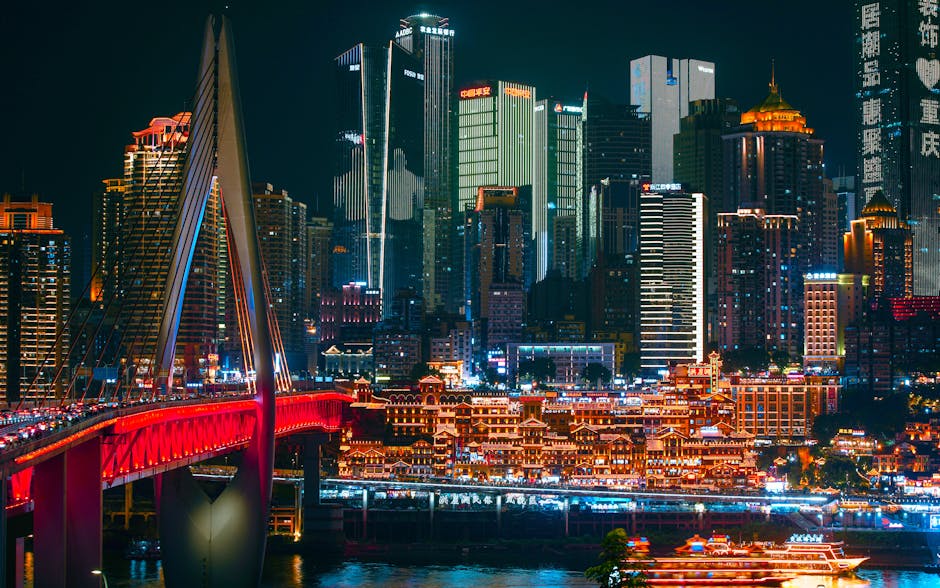
You step out of the Chongqing Jiangbei International Airport, and the first thing that hits you isn’t the heat—though the humidity is palpable—it is the sheer verticality of the landscape. To your left, a monorail disappears into the side of a residential apartment building. To your right, a bridge spans a river so wide it feels like an inland sea, supporting a forest of skyscrapers that seem to grow directly out of the limestone cliffs. This is the "Mountain City," a sprawling megalopolis of over 30 million people where the ground floor is rarely the ground floor. Finding the best hotels in Chongqing requires more than just looking at star ratings; it requires an understanding of the city’s complex three-dimensional geography. A hotel that looks centrally located on a flat map might actually be a grueling 200-step climb from the nearest metro station.
The urban layout of Chongqing is often described as "8D," a reference to the dizzying array of overpasses, underground tunnels, and high-rise walkways that connect different levels of the city. For the traveler, this means that your choice of accommodation is the single most important factor in determining whether your trip is a seamless exploration or a logistical nightmare. Whether you are searching for the neon-soaked cyberpunk aesthetic of the city center or the misty, ancient tranquility of the surrounding mountains, the hospitality landscape here is as varied as the terrain itself.
Which Chongqing luxury hotels offer the best views of the Yangtze and Jialing rivers?
The confluence of the Yangtze and Jialing rivers is the visual heart of Chongqing. Because the city lights up like a neon circuit board after sunset, a river-view room isn’t just a luxury; it is the primary reason many travelers visit. However, not all river views are created equal. Some look out over the industrial docks, while others face the glittering skyline of the Jiangbeizui financial district. To truly capture the essence of the "Fog City," one must seek out the properties that have prioritized floor-to-ceiling glass and strategic orientation.
InterContinental Chongqing Raffles City
Perched at the very tip of the Yuzhong peninsula, the InterContinental Chongqing Raffles City is part of the iconic "horizontal skyscraper" designed by Moshe Safdie. The hotel occupies one of the eight towers that make up the Raffles City complex, a feat of engineering that resembles a giant sailing vessel. Its most striking feature is the Crystal, a 300-meter-long skybridge that connects the tops of four towers, housing a variety of restaurants, a bar, and a stunning infinity pool that feels like it is floating over the abyss. Price: Approximately $230 – $380 USD per night.
- Pros: Unparalleled views of the river confluence; direct access to a massive high-end shopping mall; world-class architectural significance; rooms feature smart-home controls and Nespresso machines.
- Cons: The lobby and surrounding areas can feel chaotic due to the high volume of tourists visiting the observation deck; elevator waits can be long during peak check-in times.
- Specs: 380 guest rooms, including 42 suites; located on floors 42 to 60 of the tower.
Niccolo Chongqing
If height is your primary metric for luxury, Niccolo Chongqing is the definitive choice. Occupying the top floors of the IFS Tower 1 in Jiangbeizui, it is currently the highest hotel in the city. The design is minimalist and "fashion-forward," focusing on clean lines, neutral tones, and large floor-to-ceiling windows that offer a bird’s-eye view of the Yuzhong peninsula. The 62nd-floor Sky Lounge is the place to be for afternoon tea, where the clouds often drift past the windows. Price: Approximately $190 – $310 USD per night.
- Pros: The Sky Lounge offers a 360-degree view of the city; located directly above the city’s most luxury-focused mall (IFS) featuring brands like Chanel and Dior; high-speed elevators.
- Cons: The minimalist aesthetic can feel a bit cold to some travelers; located in the financial district, which can feel a bit "quiet" after business hours compared to the bustle of Jiefangbei.
- Specs: 252 rooms and suites; features the "Niccolo Kitchen" and "The Tea Lounge."
| Hotel Name | Primary View | Approx. Price (USD) | Best For | District |
|---|---|---|---|---|
| InterContinental Raffles City | River Confluence | $230+ | Architecture enthusiasts | Yuzhong |
| Niccolo Chongqing | Skyline/Cityscape | $190+ | Modern luxury seekers | Jiangbei |
| Regent Chongqing | Yuzhong Peninsula | $185+ | Understated elegance | Jiangbei |
| Westin Chongqing | City/River | $160+ | First-time tourists | Yuzhong |
Comparing the best business hotels in Jiefangbei and Jiangbeizui districts
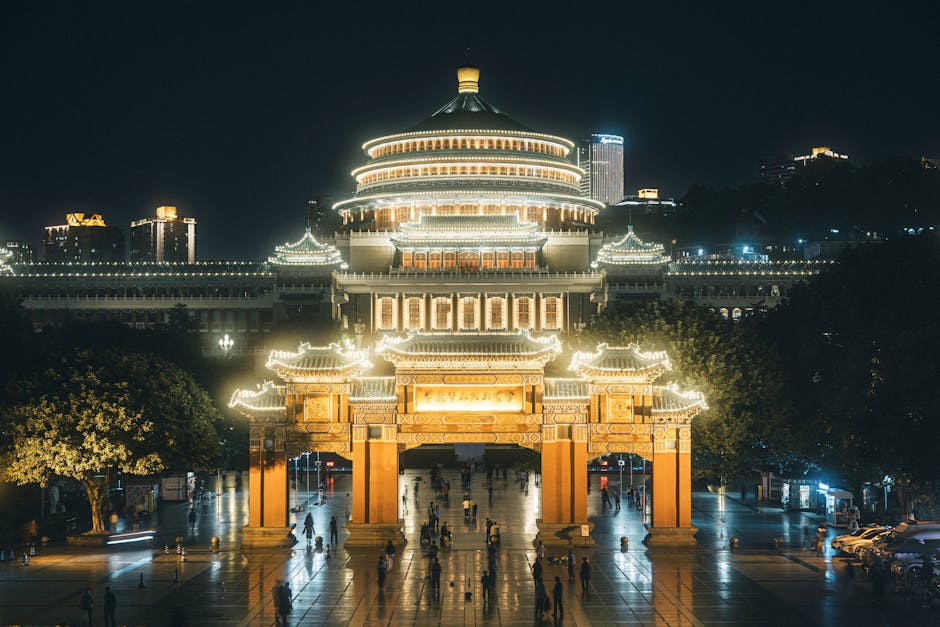
The choice between Jiefangbei and Jiangbeizui is the fundamental dilemma for any visitor to Chongqing. Jiefangbei is the historic center, home to the Liberation Monument and the famous Hongyadong stilt houses. It is crowded, loud, and incredibly convenient for sightseeing. Jiangbeizui, across the river, is the new financial district—wider streets, newer buildings, and a much quieter atmosphere. For business travelers, Jiangbeizui offers a more polished, Western-style experience, while Jiefangbei offers the "authentic" Chongqing chaos.
Regent Chongqing (Jiangbeizui)
The Regent is frequently cited by frequent flyers as the best-managed hotel in the city. Unlike the glass-and-steel minimalism of the Niccolo, the Regent incorporates traditional Chinese motifs—lacquerware, ceramic tiles, and wood carvings—into a sophisticated, contemporary layout. It feels more like a private club than a massive hotel. A unique feature of the Regent is the complimentary minibar in every room, which is restocked daily with snacks and beverages. Price: Approximately $185 – $280 USD per night.
- Pros: Exceptional service standards; one of the best outdoor terraces (Bar 62) in the city; large, well-appointed bathtubs with views; quiet, soundproofed rooms.
- Cons: Requires a taxi or metro ride to reach the main tourist attractions in Yuzhong; the breakfast buffet, while high quality, has a smaller selection than the Westin.
The Westin Chongqing Liberation Square (Jiefangbei)
Located in the heart of Jiefangbei, the Westin is famous for its glass-bottomed infinity pool that hangs off the side of the building on the 54th floor. For those who want to be in the middle of the action, this is the premier spot. You are steps away from the city’s best street food and the neon glow of the central business district. The "Social" restaurant on the 50th floor provides a dramatic backdrop for breakfast, with views stretching across the Jialing River. Price: Approximately $160 – $240 USD per night.
- Pros: Unbeatable location for first-time visitors; the "Social" restaurant offers one of the city’s better breakfast buffets; the "Heavenly Bed" is a consistent comfort feature.
- Cons: The property is starting to show slight signs of wear; the street-level traffic in Jiefangbei is notoriously bad, making taxi pickups frustrating.
When booking in Jiefangbei, always check the floor level of your room. Chongqing’s street noise is persistent, and staying below the 30th floor can result in hearing the constant hum of traffic and construction that defines the city’s growth. High-floor rooms are non-negotiable for light sleepers.
Finding the best boutique and heritage hotels in Chongqing’s outskirts
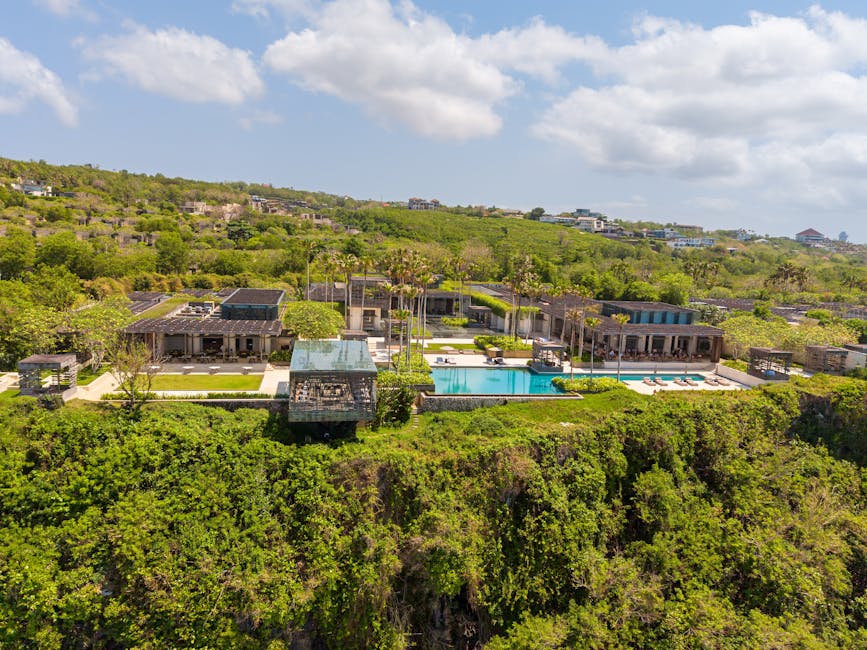
While the city center offers high-rise drama, the outskirts of Chongqing—specifically the Beibei district—offer a completely different experience. Beibei is nestled at the foot of Jinyun Mountain and is famous for its natural hot springs. This area has been a retreat for scholars and politicians for centuries, and the hotels here reflect that heritage. If the sensory overload of the city becomes too much, these resorts provide a necessary counterpoint with their emphasis on wellness and nature.
Banyan Tree Beibei
Designed to resemble a traditional village, the Banyan Tree Beibei is the pinnacle of luxury in the region. Every room features a private hot spring pool on the balcony, filled with water from the nearby northern hot springs, which are rich in minerals like sulfate and calcium. The architecture uses grey tiles and open courtyards to create a sense of stillness. The resort is surrounded by lush greenery, and the air quality is significantly better than in the city center. Price: Approximately $420 – $650 USD per night.
- Pros: Private hot spring in every room; stunning mountain views; exceptional spa facilities; high level of privacy and exclusivity.
- Cons: Significant distance from downtown (approx. 60-90 minutes by car); high price point; limited English spoken by junior staff.
Bolian Resort & Spa
Located within the North Hot Spring Park, Bolian is even more secluded. It is built along the banks of the Jialing River, surrounded by ancient banyan trees and historic temples dating back to the Southern and Northern Dynasties. The integration of nature and architecture here is seamless, making it a favorite for those seeking a "zen" retreat. The resort features only 31 suites, ensuring a highly personalized experience. Price: Approximately $500 – $800 USD per night.
- Pros: Historic location within a protected park; incredibly high staff-to-guest ratio; total privacy; access to public and private hot spring pools.
- Cons: Limited dining options outside of the resort; requires a dedicated driver for any city excursions; the price can be prohibitive for many travelers.
Navigating the 8D City: Why Your Hotel’s "Ground Floor" is a Lie
One of the most common mistakes travelers make in Chongqing is underestimating the "Z-axis." In this city, the entrance to your hotel might be on the 1st floor, but when you walk out the back door, you might find yourself on the 10th floor of a different street. This verticality is best exemplified by the Hongyadong area. If you stay at a hotel like the Glenview ITC Plaza, you might find that a "short walk" to the river involves descending several hundred steps or navigating a series of elevators inside a shopping mall.
The "Metro Rule" for Chongqing Bookings
If you plan on using public transport, prioritize hotels within a 5-minute walk of Line 1, Line 2, or Line 6. Line 2 is the famous monorail that runs along the river and through buildings—it is a tourist attraction in itself. Staying at a hotel like the JW Marriott Chongqing (Jiefangbei) puts you near the intersection of multiple lines, which is invaluable in a city where taxis can get stuck in mountain-road gridlock for hours. Line 6 is particularly useful for crossing between the Yuzhong and Jiangbei districts quickly.
Understanding the "Bridge Factor"
Chongqing has over 30 bridges crossing its two main rivers. If your hotel is in Nan’an (the South Bank), like the Sheraton Chongqing Hotel (the famous gold twin towers), you will have the best view of the Yuzhong skyline. However, you will be dependent on the bridges to get to the city center. During rush hour (7:30-9:30 AM and 5:00-7:30 PM), these bridges become bottlenecks. If you have a flight to catch or a business meeting, staying on the same side of the river as your destination is a strategic necessity rather than a mere convenience.
Evaluating price-to-value ratios for mid-range and high-end stays
Chongqing remains significantly more affordable than Shanghai or Beijing, which means your dollar (or Yuan) goes much further here. You can often find five-star accommodations for the price of a mid-range business hotel in Western capitals. However, the "value" often depends on how much you value modern amenities versus proximity to transit. A newer hotel in a developing district might offer a suite for $120, while a smaller room in a prime tourist area costs $180. For the budget-conscious traveler, looking just one or two metro stops away from Jiefangbei can yield massive savings.
Glenview ITC Plaza Chongqing
For travelers who want the Jiefangbei location without the $250 price tag of the InterContinental, the Glenview is a solid alternative. It is a local brand that maintains high standards, though the decor is more traditional and perhaps a bit dated compared to the Niccolo. The rooms are exceptionally large, and the hotel is frequently used for government conferences, ensuring a high level of security and maintenance. Price: Approximately $95 – $140 USD per night.
- Pros: Excellent location near the Linjiangmen metro station; very competitive pricing for the room size; reliable Wi-Fi.
- Cons: The gym and pool facilities are somewhat basic; English language proficiency among staff can be inconsistent; the lobby can be crowded with tour groups.
Hyatt Regency Chongqing
Located in the Guanyinqiao area (a massive shopping and residential district in Jiangbei), the Hyatt Regency offers a different perspective on the city. Guanyinqiao is where the locals shop and eat, and the hotel reflects that energy. It is a polished, reliable business hotel that offers a great bridge between luxury and value. The hotel’s "Market Cafe" is famous for its dessert selection and local Sichuan dishes. Price: Approximately $110 – $160 USD per night.
- Pros: Surrounded by hundreds of local restaurants and street food stalls; very close to the Line 3 monorail (direct to airport); consistent Hyatt service standards.
- Cons: No river views; the surrounding area is extremely crowded on weekends; the walk to the metro station involves navigating a very busy pedestrian mall.
Common Mistakes and Final Booking Advice

When booking a hotel in Chongqing, do not rely solely on Western booking platforms. While they are useful for reviews, local apps often have more up-to-date information on whether a hotel accepts foreign guests—a legal requirement in China that some smaller boutique hotels may not be licensed for. Stick to international brands (Marriott, Hilton, Hyatt, IHG) or well-known domestic luxury brands if you want to avoid registration issues at check-in.
Seasonal Tip: Chongqing is known as one of the "Three Furnaces" of China. From July to August, temperatures regularly exceed 40°C (104°F) with high humidity. During this time, ensure your hotel has powerful, modern air conditioning. Conversely, from November to February, the city is shrouded in a thick fog. While this is atmospheric, it can obscure the river views you paid extra for. The best value and best weather are typically found in May, June, September, and October.
Ultimately, the best hotel in Chongqing depends on your tolerance for the city’s chaotic energy. If you want to be part of the pulse, the Westin or InterContinental in Yuzhong are the clear winners. If you want to observe the city from a distance with a cocktail in hand, the Regent or Niccolo provide the necessary elevation and refinement. For those who find the "Blade Runner" reality of the city center too intense, the hot spring resorts of Beibei offer a glimpse into the natural beauty that existed long before the skyscrapers took over the cliffs. Regardless of where you stay, remember to look up—and down—because in Chongqing, there is always another level to discover.