
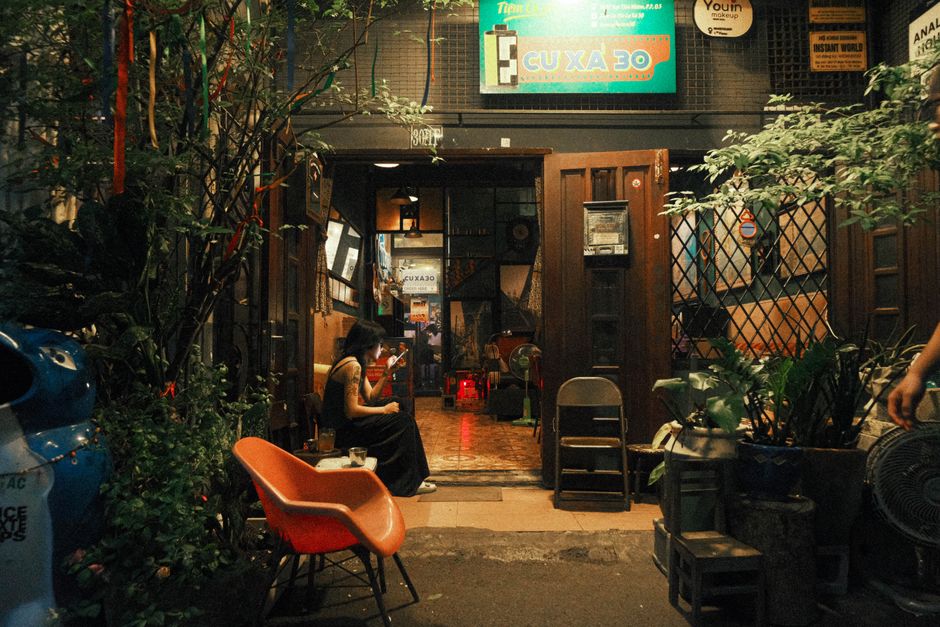
Most Kyoto itineraries send you to Kinkaku-ji, Fushimi Inari at 9am, and Gion at sunset. You’ll share those spots with ten thousand other people. This route flips the logic. You’ll still see stunning temples, bamboo groves, and tea houses. But you’ll do it in neighborhoods where the only sound is gravel under your shoes.
This is not a checklist itinerary. It’s a pace-based route. Each day groups locations geographically so you’re not crisscrossing the city. You’ll spend more time walking, less time on buses. And you’ll eat better because you’ll be in residential areas where restaurants serve locals, not tour groups.
Day 1: Northern Kyoto — Ohara and the Temples Nobody Visits
Start your trip in Ohara, a rural valley 45 minutes north of Kyoto Station. Most tourists never make it here. That’s the point.
Sanzen-in Temple: Moss, Maples, and Morning Silence
Take Kyoto Bus 17 from Kyoto Station to Ohara (¥580, about 45 minutes). Get off at the last stop. Walk 10 minutes uphill to Sanzen-in Temple (¥700 entry). The main hall opens at 8:30am. Go early. The garden here — Shuheki-en — has moss so thick it looks like green velvet. You sit on tatami mats, drink matcha (¥600 extra), and look out at cedar trees that are 700 years old. No jostling. No selfie sticks.
Jikko-in and the Stone Garden Nobody Photographs
Five minutes downhill from Sanzen-in is Jikko-in Temple (¥500). It’s tiny. The garden is a karesansui (dry stone garden) but smaller and more intimate than Ryoan-ji. You’ll likely be the only person there. Sit on the wooden veranda. The only sound is a water basin dripping. This is what people imagine Kyoto to be before they arrive.
Lunch: Ohara’s Pickle Shops
Ohara is famous for shibazuke — pickled eggplant and cucumber dyed purple with shiso leaves. The shops along the main lane sell tasting plates for ¥300-500. Try Satono Eki Ohara, a roadside market with local produce and a small food counter. Get the yuba (tofu skin) bowl for ¥1,200.
Verdict: Day 1 is the calmest introduction to Kyoto you can get. If you only have 5 days, this sets the tone. Skip Kinkaku-ji entirely. You won’t miss it.
Day 2: Kurama to Kibune — The Mountain Hike and the River Lunch
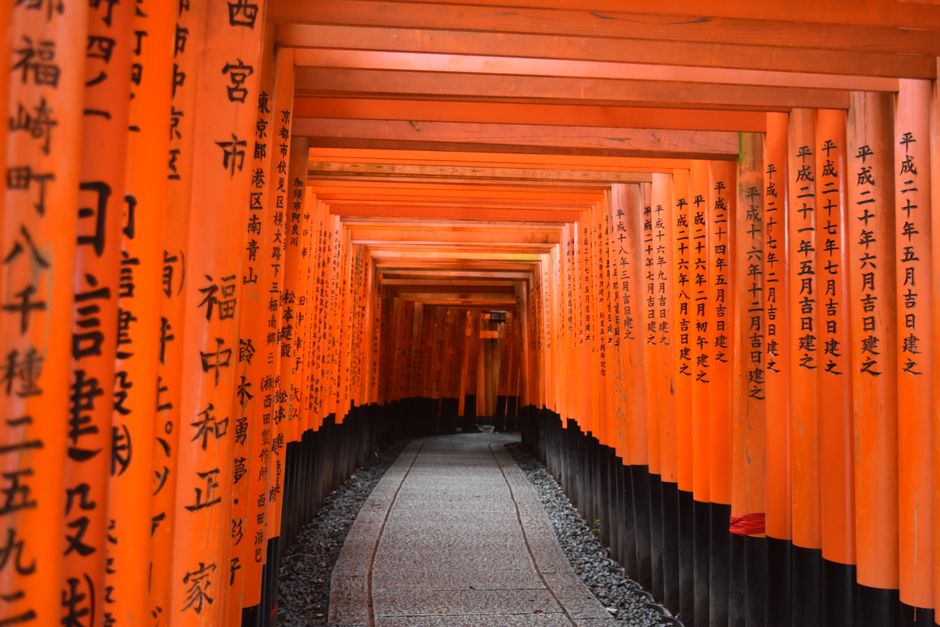
This is the best half-day hike in Kyoto. It’s also completely absent from most first-timer itineraries.
The Kurama-dera Trail
Take the Eizan Railway from Demachiyanagi Station to Kurama Station (¥420, 30 minutes). The train ride itself is worth it — it winds through a forested gorge. From Kurama Station, walk 5 minutes to Kurama-dera Temple (¥500). The temple sits halfway up Mount Kurama. The approach is a steep stone staircase through giant cedar trees. It’s 30 minutes of climbing. You’ll sweat. That’s fine.
At the main hall, turn left onto the trail to Kibune. This is a 2.5 km ridge walk. It’s mostly downhill after the first section. The path is dirt, roots, and stone steps. Wear shoes with grip. In autumn, the maple leaves form a tunnel. In summer, the forest keeps it 5 degrees cooler than the city.
Kawadoko: Eating Over the River
You’ll descend into Kibune village. This is where the kawadoko (river dining) happens from May to September. Restaurants build platforms over the Kibune River. You eat kaiseki lunch with water rushing under your feet. Hirobun is the most famous spot — their nagashi somen (flowing noodles) costs ¥1,700 per person. You catch noodles as they float down a bamboo chute. It’s touristy, but it’s also genuinely fun. Go at 11:30am to avoid the line.
If you’re not in summer, get a bowl of hot soba at Nakayoshi (¥1,100). It’s a family-run shop near the bus stop. The broth is made from dried sardines and kelp. Simple. Perfect after a hike.
Verdict: This day works in any season. The hike is moderate — about 2 hours total. If you have bad knees, do the route in reverse (Kibune to Kurama) because the climb is less steep from that side.
Day 3: Uji — Tea, Temples, and the Other Side of Kyoto
Uji is 20 minutes south of Kyoto Station by JR Nara Line (¥240). It’s the birthplace of Japanese green tea. It’s also home to two of the best temples in the region — and they’re blissfully quiet compared to anything in central Kyoto.
Byodo-in: The Temple on the 10-Yen Coin
Byodo-in Temple (¥600) is the building on the Japanese 10-yen coin. The Phoenix Hall sits on a pond, reflected perfectly on still mornings. Go at opening (8:30am). The interior tour costs an extra ¥300 and is worth it — you see the original Amida Buddha statue from 1053. No photos inside. Good. You actually look at it.
Ujigami Shrine: The Oldest Shrine in Japan
Five minutes from Byodo-in is Ujigami Shrine. It’s free. It’s also the oldest Shinto shrine in Japan, built around 1060. It’s small — maybe 50 meters across. But the atmosphere is heavy with age. The main hall is a National Treasure. There’s no gift shop. No vending machines. Just stone lanterns and a sacred spring.
The Tea Street
Uji’s main shopping street — Byodo-in Omotesando — is lined with tea shops that have been operating for 300+ years. Nakamura Tokichi is the most famous. Their matcha parfait (¥1,500) is a layered dessert with matcha jelly, mochi, red bean paste, and matcha ice cream. The line can be 40 minutes on weekends. Go on a weekday at 3pm. Or skip the cafe and buy a tin of their sencha (¥1,200) to take home.
For lunch, walk 10 minutes east to Torikiku, a tiny soba shop near Uji River. The duck soba (¥1,300) uses locally raised duck. The broth is clear, not heavy. You’ll be the only foreigner there.
Verdict: Uji is the best day trip from Kyoto for tea lovers and temple fatigue. It’s flat, walkable, and compact. You can do everything in 5 hours.
Day 4: Nishijin and the Imperial Villas — Kyoto Without the Tour Buses
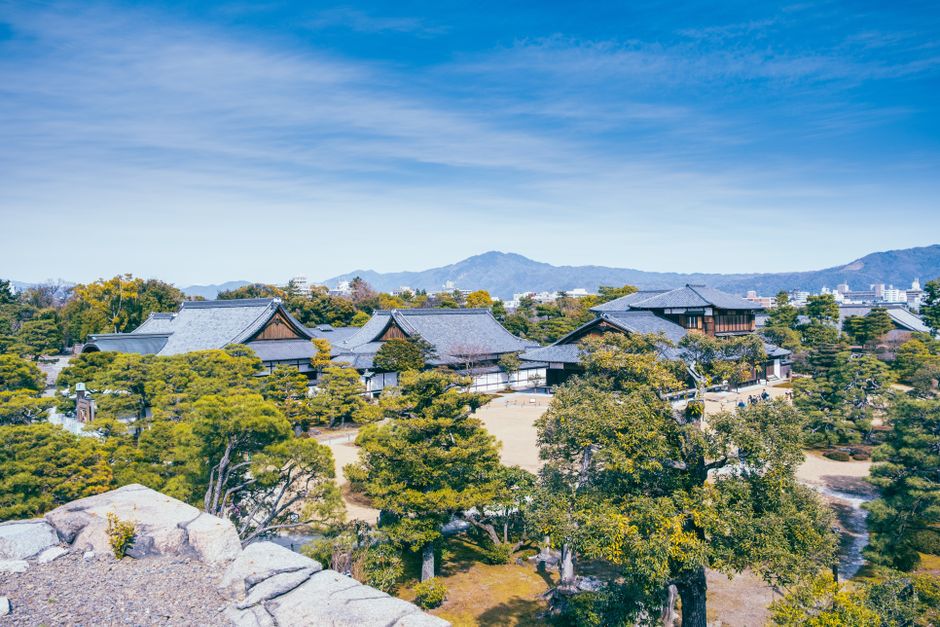
Nishijin is Kyoto’s weaving district. It’s northwest of the city center. Tour buses don’t come here because the streets are too narrow. That’s exactly why you should.
Shugakuin Imperial Villa: The Best Free Tour in Kyoto
This is the single most underrated site in Kyoto. Shugakuin Imperial Villa is a 17th-century imperial garden complex in the hills of northeast Kyoto. Entry is free, but you must book a guided tour through the Imperial Household Agency website. Tours run at 9am, 10am, 11am, 1:30pm, and 3pm. Book 2-3 weeks in advance. The tour is 80 minutes. The upper garden has a view over Kyoto that rivals anything from Kiyomizu-dera — with maybe 15 people instead of 1,500.
Nishijin Textile Center and the Weaving Streets
After the villa, take a bus to the Nishijin area. The Nishijin Textile Center (free entry) has kimono weaving demonstrations every hour. But the real experience is walking the side streets. Look for wooden machiya townhouses with narrow facades. Many are still working weaving studios. You’ll hear the clack-clack of looms from open windows.
Stop at Orinasu-kan (¥500), a small museum in a restored weaving workshop. The staff will show you how silk is dyed and woven. It’s hands-on. You can touch samples. This is the opposite of a glass-case museum.
Lunch: A Neighborhood Bento Shop
Skip the restaurants near the textile center. Walk 10 minutes to Kameya, a bento shop on Imadegawa Street. They’ve been making obento for 80 years. The mackerel bento (¥950) is salt-grilled fish, rice, pickles, and tamagoyaki. You order at the counter and eat on a bench outside. It’s the best cheap lunch in this part of Kyoto.
Verdict: Day 4 is for travelers who want to understand how Kyoto works, not just photograph it. The villa tour requires planning, but it’s free and unforgettable.
Day 5: Arashiyama’s Back Streets and the Bamboo Alternative
Yes, Arashiyama is crowded. But only the main street and the famous bamboo grove. The back streets are empty. You just need to know where to turn.
The Bamboo Grove at 7am (Or Not at All)
The Arashiyama Bamboo Grove is packed by 9am. Go at 7am. You’ll share it with maybe 20 people. The light is better anyway — low sun through green stalks. If you can’t do early morning, skip it and go to Adashino Nenbutsu-ji instead (¥500). It has a smaller bamboo grove and a field of 8,000 stone statues. It’s 20 minutes north of the main area. Almost no one goes there.
Otagi Nenbutsu-ji: The Temple of 1,200 Faces
Keep walking north from Adashino. Otagi Nenbutsu-ji (¥300) is the last temple on the road. It’s a small hillside temple with 1,200 stone rakan (disciples of Buddha). Each one has a different face. Some are laughing. Some are crying. Some are holding tennis rackets or cameras. They were carved by amateurs in the 1980s under a master sculptor’s guidance. The result is playful, weird, and deeply human. You’ll be alone here. Maybe a few Japanese visitors.
The Saga-Toriimoto Preserved Street
Walking back down from Otagi, you’ll pass through Saga-Toriimoto, a preserved street of thatched-roof houses. This is what Arashiyama looked like 200 years ago. The houses are now small shops and tea houses. Stop at Hiranoya for a matcha and warabi mochi set (¥800). Sit on the wooden bench out front. Watch the occasional taxi creep by.
Lunch: Tofu on the River
Back in central Arashiyama, skip the tourist restaurants on the main street. Cross the Togetsukyo Bridge and walk south along the river. Yudofu Sagano serves a tofu set lunch (¥1,800) in a garden setting. It’s yudofu — tofu simmered in kelp broth with dipping sauces. Simple, warm, filling. The garden has a view of the river. Go at 11:30am to get a table without waiting.
Verdict: Arashiyama is worth it if you go north. The main street is a tourist trap. The back streets are the real thing.
Where to Stay: Two Bases, Not One
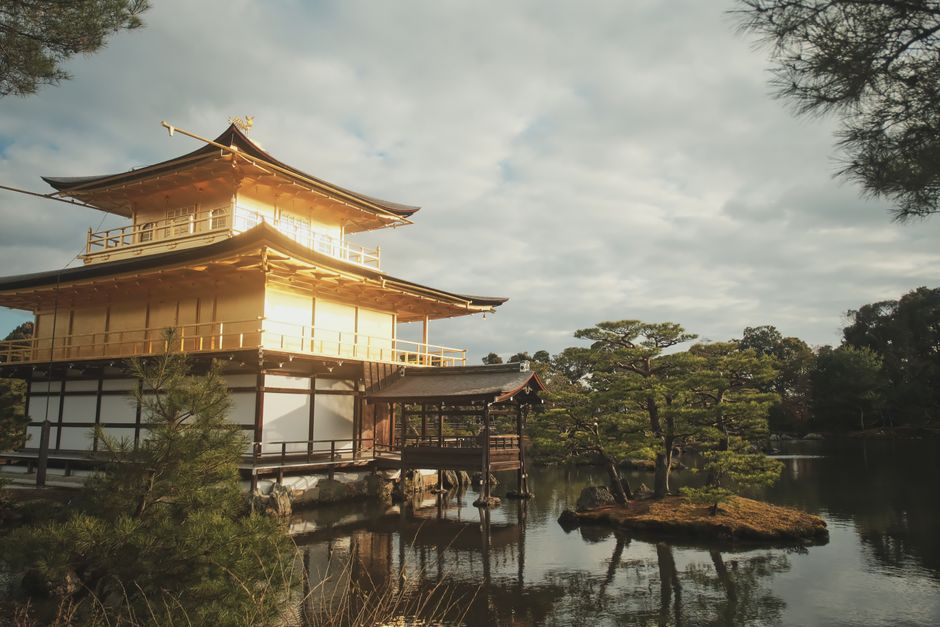
Most itineraries tell you to stay near Kyoto Station. That’s convenient but soulless. Split your 5 nights between two neighborhoods.
| Neighborhood | Why Stay Here | Recommended Hotel | Price Range |
|---|---|---|---|
| Nishijin / Imadegawa | Quiet, local, close to Day 1 and Day 4 sites | Kiraku Kyoto Aneyakoji | ¥18,000-25,000/night |
| Demachiyanagi / North Higashiyama | Riverside, close to Day 2 train line and Day 5 bus routes | Guesthouse Soi | ¥8,000-12,000/night |
| Uji (for a night) | Tea town atmosphere, cheaper than central Kyoto | Uji Daiichi Hotel | ¥7,000-10,000/night |
If you’re on a budget, stay in Uji for the whole trip. The train to Kyoto Station takes 20 minutes. You’ll save 40% on accommodation and eat better breakfasts.
If you want a ryokan experience, book Momijiya Bekkan in Takao (¥35,000-45,000/night with dinner). It’s a mountain ryokan with a riverside open-air bath. You’ll need to book 3-4 months ahead.
Mistakes to Avoid on This Itinerary
Five mistakes will ruin this trip. Here’s how to avoid them.
Mistake 1: Booking the Shugakuin Villa Tour Too Late
The Imperial Household Agency releases tour slots 3 months ahead. They fill up. If you wait until you arrive in Kyoto, you’ll get nothing. Book the first day slots become available.
Mistake 2: Wearing Fashion Sneakers on the Kurama Trail
The trail is muddy after rain. White sneakers will be brown. Bring trail runners or at least shoes with a real tread. The descent into Kibune is steep in sections.
Mistake 3: Going to Arashiyama on a Weekend
Even the back streets get busy on Saturday and Sunday. Put Arashiyama on a Tuesday or Wednesday. The difference is night and day.
Mistake 4: Skipping Cash in Ohara and Kurama
Many small shops in Ohara and Kibune don’t take cards. Carry at least ¥5,000 in cash per person for Day 1 and Day 2. The 7-Eleven ATMs in central Kyoto are your last reliable stop.
Mistake 5: Overpacking the Days
This itinerary has 2-3 stops per day. That’s intentional. If you add Kinkaku-ji or Fushimi Inari to Day 4, you’ll be exhausted and cranky. The hidden gems are hidden because they take time to reach. Respect the pace.
This route works because it’s not trying to see everything. It’s trying to feel something. That’s the whole point of Kyoto.