
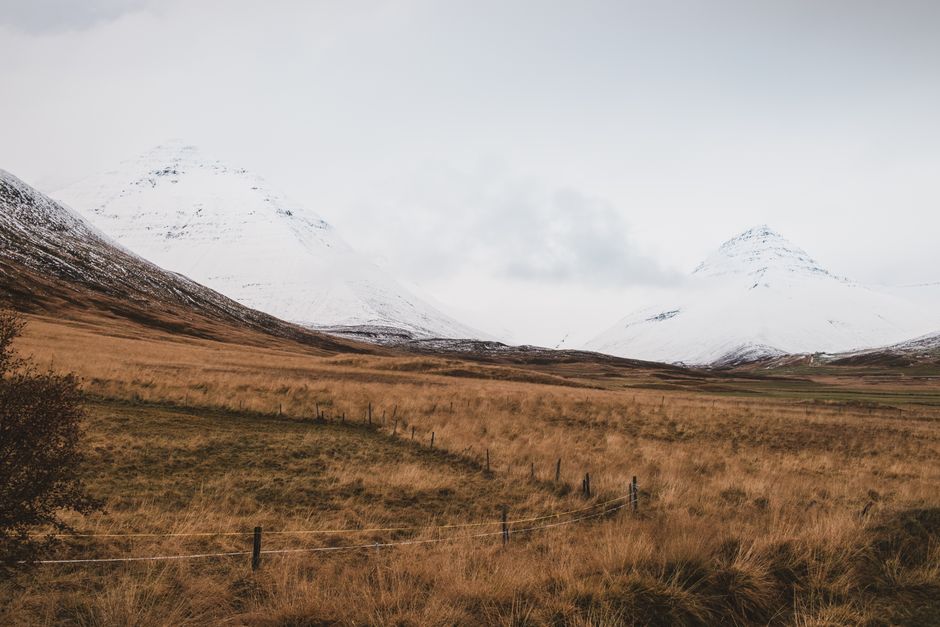
Iceland in February averages 0°C (32°F) but feels like -10°C when the wind hits 20 m/s. Most travelers overpack cotton and underpack wind protection. This packing list fixes that.
The Layer System That Actually Works
Forget the 40-item checklists. You need four layers: base, mid, shell, and insulation. Here’s the breakdown.
Base Layer: Merino or Nothing
Cotton kills. It holds sweat, freezes, and drops your core temperature. Merino wool wicks moisture and stays warm when wet. I brought three merino base layer tops and two bottoms.
- Icebreaker 200 Oasis Long Sleeve Crewe ($90) — two of these. Wash one, wear one.
- Smartwool Classic Thermal Merino Base Layer Bottoms ($100) — one pair is enough for two weeks if you air them out nightly.
- One synthetic base layer top (Patagonia Capilene Cool, $55) for high-output days like glacier hiking.
Verdict: Spend the money on merino. The $20 polyester base layer from Amazon feels fine for a day, then stinks and stays damp. For a two-week trip, you’ll regret cheaping out.
Mid Layer: One Fleece, One Puffy
You don’t need three mid layers. One fleece for activity, one down jacket for static warmth.
The Patagonia Better Sweater ($139) is heavier than a technical fleece but doubles as a normal sweater for dinner in Reykjavik. If you want lighter, the Arc’teryx Delta LT ($160) packs smaller but looks like gym clothes.
For the puffy, I used the Mountain Hardwear Ghost Whisperer 2 ($360). It packs to the size of a grapefruit. Any 800-fill down jacket works. Synthetic insulation (like the Arc’teryx Atom LT, $280) handles Iceland’s damp better but weighs more.
Verdict: If you run cold, bring both fleece and puffy. If you run hot, skip the fleece and layer the puffy over merino.
Boots and Socks: The Make-or-Break Decision
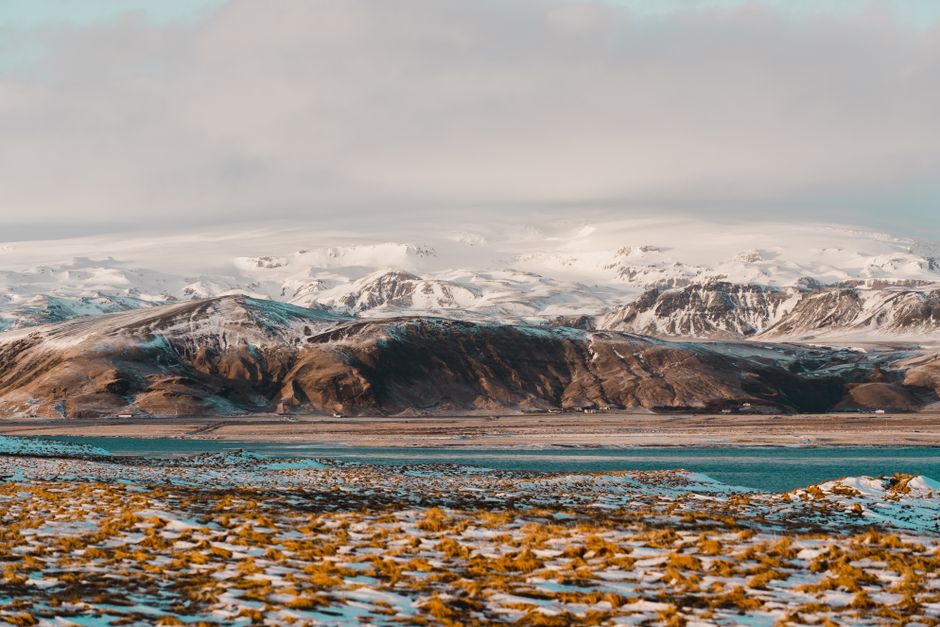
Your feet will be wet. Rain, sleet, snowmelt, waterfall spray. If your boots leak, you’re miserable by day three.
I wore the Salomon X Ultra 4 Mid GTX ($175). They’re waterproof, grippy on ice with microspikes, and light enough for a full day of walking. They’re not insulated, which is fine with thick merino socks. If you want insulation, the Keen Revel IV High Polar ($210) adds 200g of insulation but feels clunky on long drives.
Socks matter more than boots. Three pairs of Darn Tough Mountaineering Micro Crew Heavyweight ($28 each) lasted the entire trip with no blisters. Merino-nylon blend, lifetime warranty. Pair them with Sealskinz Waterproof All Weather Mid Length Sock ($45) for days when you know you’ll be standing in slush at Gullfoss.
Mistake to avoid: Buying new boots a week before the trip. Break them in for at least three weeks. Blisters in Iceland are a special kind of hell because every activity involves walking on uneven volcanic rock.
Outer Shell: Windproof Beats Waterproof
Iceland’s problem isn’t rain. It’s wind. A cheap rain jacket blocks water but lets wind cut through. You need a hard shell with a windproof membrane.
I brought the Arc’teryx Beta LT ($450). Expensive, yes. But it survived 70 km/h wind gusts at Reynisfjara without flapping or letting air through. The Patagonia Torrentshell 3L ($179) is a solid budget alternative. It’s heavier and less breathable, but it works.
Waterproof pants are non-negotiable. I used the REI Co-op Rainier Full-Zip Rain Pants ($89). Full-zip matters because you’ll put them on and take them off constantly — at the car, at the waterfall, at the glacier. Pull-on rain pants are a pain when your boots are caked in mud.
Verdict: Don’t buy a 3-in-1 jacket. They’re mediocre at everything. Buy a dedicated shell and layer underneath.
Camera Gear for Winter Light
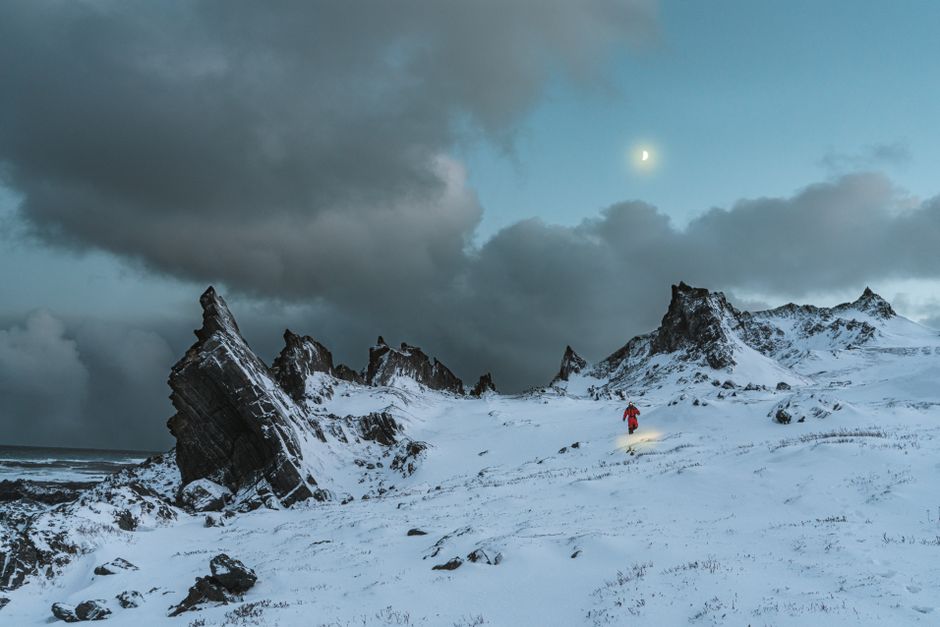
Iceland in winter gives you 4-6 hours of daylight. The light is soft, golden, and constantly changing. If you’re bringing a camera, here’s what actually gets used.
I shot with a Sony A7IV ($2,500) and two lenses: a Sony 24-70mm f/2.8 GM II ($2,300) and a Sony 16-35mm f/4 G ($1,200). The 24-70mm covered 80% of shots. The wide angle only came out for ice caves and the plane wreck.
Battery life drops fast in cold. Bring four batteries. I rotated them in an inside jacket pocket, not a camera bag. Cold batteries die in minutes; warm batteries recover.
The single most useful accessory: a Peak Design Capture Clip ($75). It mounts your camera to your backpack strap, keeping it accessible and off your neck. In Iceland, you’re constantly taking gloves off and on. A neck strap gets tangled in layers.
If you’re not a photographer, your phone is fine. Modern phones handle Iceland’s low light well. Bring a small power bank (Anker 10,000 mAh, $30) because cold drains phone batteries fast.
What NOT to Bring
Here’s the anti-pack list. Leave these at home.
- Jeans. They’re heavy, hold moisture, and freeze stiff. One pair for Reykjavik restaurants is fine. That’s it.
- Umbrella. Wind will destroy it in minutes. Icelanders don’t use umbrellas.
- Heavy winter parka. You’ll overheat in the car. Layers beat a single heavy coat.
- More than two pairs of shoes. Boots for outside, sneakers for inside. That’s all.
- Full-size toiletries. Guesthouses have soap. You need sunscreen (yes, in winter — snow reflects UV), lip balm with SPF, and moisturizer. The air is dry.
One thing people forget: swimsuit. Iceland has geothermal pools everywhere. The Blue Lagoon, Sky Lagoon, local pools in every town. You’ll regret not having one.
Two-Week Iceland Packing Breakdown
Here’s the complete list, organized by category. This is what I actually brought for 14 days in February.
| Category | Item | Quantity | Specific Product | Price |
|---|---|---|---|---|
| Base Layer | Merino top | 3 | Icebreaker 200 Oasis | $90 each |
| Base Layer | Merino bottom | 1 | Smartwool Classic Thermal | $100 |
| Mid Layer | Fleece | 1 | Patagonia Better Sweater | $139 |
| Insulation | Down jacket | 1 | Mountain Hardwear Ghost Whisperer 2 | $360 |
| Shell | Hardshell jacket | 1 | Arc’teryx Beta LT | $450 |
| Shell | Rain pants | 1 | REI Co-op Rainier Full-Zip | $89 |
| Footwear | Waterproof boots | 1 | Salomon X Ultra 4 Mid GTX | $175 |
| Socks | Heavyweight merino | 3 | Darn Tough Mountaineering | $28 each |
| Socks | Waterproof socks | 1 | Sealskinz All Weather Mid | $45 |
| Accessories | Gloves (2 pairs) | 2 | Hestra Ergo Grip + liner gloves | $110 + $20 |
| Accessories | Beanie | 1 | Any merino beanie | $20 |
| Accessories | Neck gaiter | 1 | Buff Merino Wool | $30 |
| Accessories | Microspikes | 1 | Kahtoola MICROspikes | $75 |
| Other | Swimsuit | 1 | Any | — |
| Other | Sunscreen SPF 30+ | 1 | La Roche-Posay Anthelios | $20 |
Total gear cost if you buy everything new: around $1,900. Most people already own some of this. The non-negotiables are the merino base layers, waterproof boots, hardshell, and microspikes.
That wind at Reynisfjara I mentioned? The gusts were strong enough to knock a tripod over. But with the hardshell cinched down and merino underneath, I stood there for 40 minutes watching waves crash against the basalt columns. Warm, dry, and comfortable. That’s the point of packing right.