
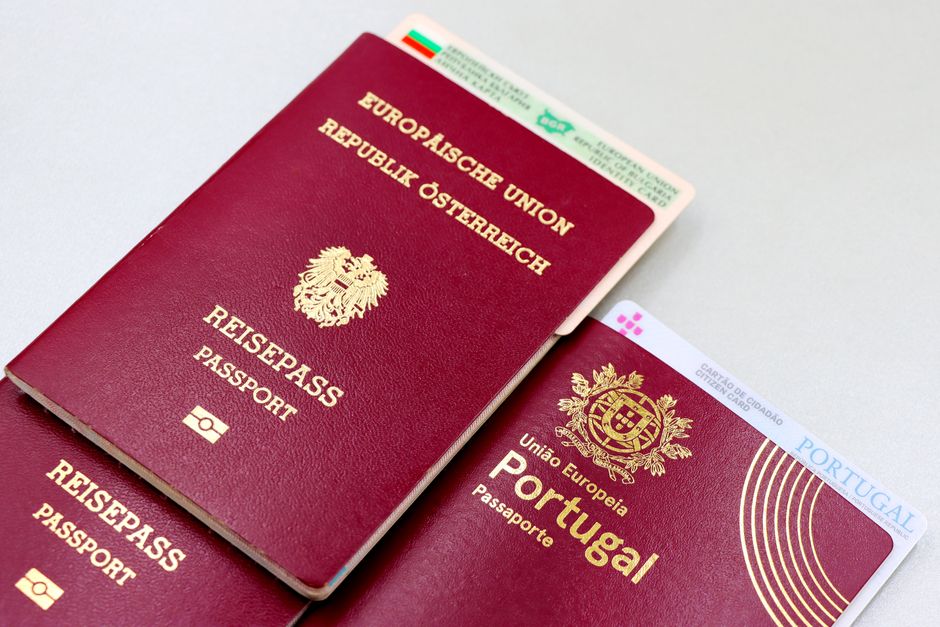
You need fewer documents than you think for a domestic trip. You also need one document you probably never considered. After digging through TSA guidelines, state DMV rollouts, and border state checkpoints, the list is short: a compliant ID, a backup ID, your health insurance card, a physical credit card, your car registration, and a printed itinerary. That’s it. No passport book required for a flight from Chicago to Denver. But here’s the catch—your current driver’s license might not be enough after May 7, 2026, and enforcement has been messy ever since.
This article covers domestic travel only. No international flights. No cruises. Just the unglamorous, practical documents that prevent a ruined trip.
The Real ID Mess: What Actually Works at TSA in 2026
The Department of Homeland Security pushed the Real ID deadline to May 7, 2026. That date came and went. TSA now enforces it, but with a grace period that varies by airport. I flew out of Denver International in March 2026 and watched a guy get pulled aside because his Oklahoma license wasn’t Real ID-compliant. He missed his flight.
You need one of these to board a domestic flight:
- Real ID-compliant driver’s license (look for the star in the top right corner)
- U.S. passport book
- U.S. passport card ($65, fits in a wallet)
- Global Entry card ($120, includes TSA PreCheck)
- Permanent resident card (green card)
- State-issued enhanced driver’s license (only Michigan, Minnesota, New York, Vermont, Washington)
If your license lacks the star, do not risk it. A standard license from states like Pennsylvania or New Jersey without the star will not work, even if the agent lets you through once. The inconsistency is the problem. One airport enforces strictly. Another waves you through. You won’t know until you’re standing at the checkpoint.
Passport Card vs. Real ID: The Smarter Backup
I recommend getting a U.S. passport card even if you have a Real ID license. It costs $65, lasts 10 years, and works for domestic flights, land border crossings to Canada and Mexico, and as a backup ID if you lose your wallet. It does not work for international air travel. For that, you need the passport book ($165).
The passport card solves a real problem: what happens when you lose your driver’s license on a trip? You can’t board a flight home without an ID. TSA has an identity verification process, but it takes 30-60 minutes and requires you to answer questions from public records. A passport card in your bag eliminates that risk.
Health Insurance Card: The Document Nobody Packs

You will not need your health insurance card to board a plane. You will need it if you end up in an urgent care in Orlando at 11 p.m. with a sinus infection. Domestic health insurance works differently across state lines. Some plans have out-of-state networks. Others treat out-of-state care as out-of-network, which means higher deductibles and surprise bills.
Carry the physical card or a clear photo of both sides. Write the customer service number on the back of the photo. If you’re on a family plan, make sure you know the primary policyholder’s date of birth. Hospitals ask for it.
For frequent domestic travelers, a travel medical membership like Medjet ($99/year for basic) or a supplemental policy through Allianz ($25-$50 per trip) adds hospital-to-hospital transport coverage. Standard health insurance rarely covers medical evacuation, even domestically.
Physical Credit Card and a Debit Backup
Digital wallets fail. Your phone dies. A merchant’s tap-to-pay terminal goes down. Carry one physical credit card with no foreign transaction fees—even for domestic trips, because some hotel chains process payments through foreign banks. The Chase Sapphire Preferred ($95/year) and Capital One Venture ($95/year) both waive foreign transaction fees and include rental car collision coverage as primary insurance.
Also carry a debit card from a separate bank. If your credit card gets frozen for fraud (which happens constantly when you travel to a new city and make weird purchases), you need another way to access cash. A Charles Schwab High Yield Investor Checking account reimburses all ATM fees worldwide, including domestic. No monthly fee. No minimum balance.
Do not rely on Venmo or Apple Pay as your only backup. Many gas stations, parking garages, and small-town restaurants still require a physical card.
Car Registration and Insurance: The Rental Counter Trap
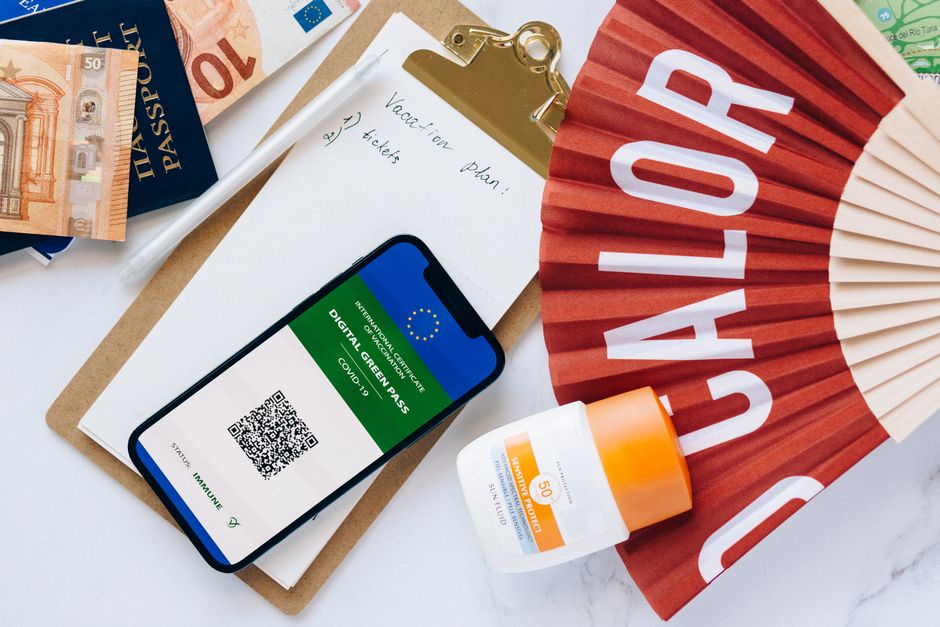
If you’re renting a car, you need your driver’s license and a credit card. That’s it. The rental company does not require your personal car insurance card. But if you decline their collision damage waiver and rely on your personal auto insurance, you must have proof of coverage. Otherwise, you’re buying their $30/day waiver on the spot.
For road trips in your own car, keep the registration and insurance card in the glove box. Some states now accept digital insurance cards, but New Mexico, Massachusetts, and Connecticut still require physical proof in certain situations. A printed copy costs nothing and avoids a ticket.
If you’re driving across international borders—say, from San Diego to Tijuana or Buffalo to Toronto—you need the original registration, not a copy. Mexican border agents will turn you around without it.
Printed Itinerary and Reservation Confirmations
Your phone is not a document. It’s a device that runs out of battery, loses signal, or breaks. I watched a traveler at a hotel front desk in Nashville argue for 20 minutes because his booking confirmation wouldn’t load. He had no printed backup. The hotel was oversold. He lost the room.
Print these before you leave:
- Flight confirmation with the record locator (6-character code)
- Hotel reservation with the confirmation number
- Rental car booking reference
- Any tour or activity tickets
Keep them in a folder or envelope. Yes, it’s old-school. Yes, it works when nothing else does. A printed itinerary also helps if you’re pulled over or questioned by law enforcement and need to prove where you’re going and why.
When You Should NOT Bring Certain Documents

Leave your Social Security card at home. It has no travel purpose. It’s the single most damaging document to lose. Same with your birth certificate—useless for domestic travel unless you’re applying for a passport at a same-day agency. Carrying it just increases identity theft risk.
Do not bring your passport book on a domestic flight unless you’re connecting to an international flight. It’s bulky, expensive to replace ($165), and unnecessary. The passport card solves the backup ID problem for $65.
Do not rely on a mobile driver’s license (mDL). States like Colorado, Maryland, and Utah have rolled out digital licenses, but TSA only accepts them at a handful of airports with specific readers. As of early 2026, the list includes Denver, Dallas Love Field, and a few others. It’s not universal. Carry the physical card.
Document Checklist by Trip Type
| Document | Flight | Road Trip | Rental Car | Border Crossing |
|---|---|---|---|---|
| Real ID or passport card | Required | Required | Required | Required |
| Health insurance card | Recommended | Recommended | Recommended | Recommended |
| Physical credit card | Required | Recommended | Required | Required |
| Debit backup card | Recommended | Recommended | Recommended | Recommended |
| Car registration | Not needed | Required | Not needed | Required |
| Car insurance proof | Not needed | Required | Required if declining waiver | Required |
| Printed itinerary | Recommended | Optional | Recommended | Recommended |
| Passport book | Only if connecting internationally | Not needed | Not needed | Required for Mexico/Canada |
The table reveals the pattern: your ID and a credit card are non-negotiable. Everything else depends on how you’re traveling. The most common mistake is overpacking documents—bringing a passport book on a domestic flight or carrying a Social Security card “just in case.” The second most common mistake is underpacking: showing up with a non-compliant license and no backup.
Domestic travel documentation is shifting. Mobile IDs will eventually replace physical cards, but adoption is slow and uneven. TSA’s biometric screening at airports like Atlanta and Detroit is expanding, which could eliminate the need for any physical ID within a decade. For now, the six documents above cover every domestic scenario without adding bulk or risk. Pack them. Leave the rest locked up at home.