
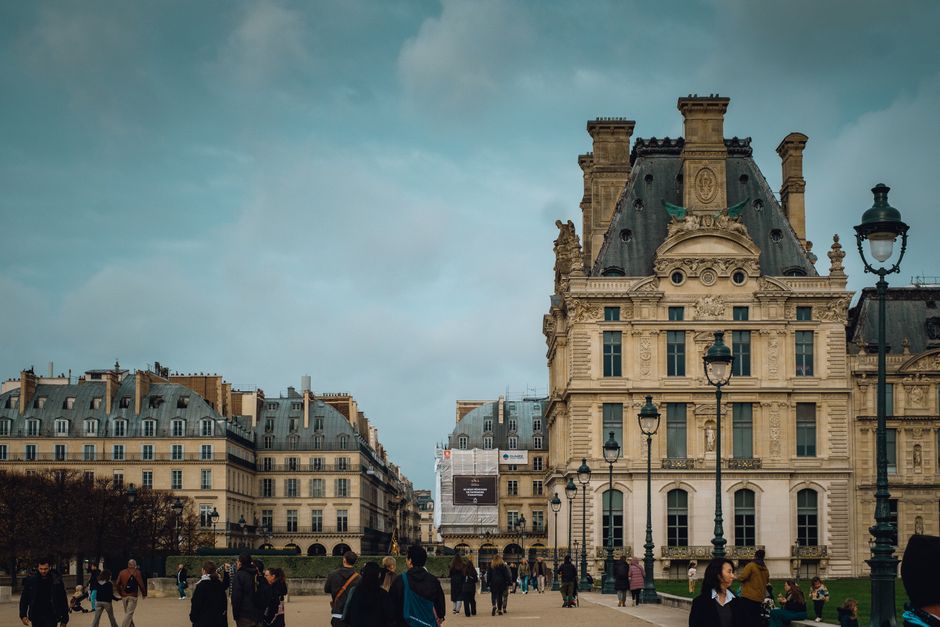
The best Paris weekend in February is built around fewer bookings, shorter walking routes, and one major sight per day. February is quieter than spring and summer, but it is not empty: Valentine’s weekend, French school holidays, temporary exhibitions, and rainy Saturdays can still pack the obvious places. The winning plan keeps you in one or two neighborhoods at a time, puts indoor visits in the coldest hours, and leaves room for a long lunch or an early night.
Use this itinerary for a Friday-to-Sunday stay. It gives you classic Paris without turning the trip into a queue-management exercise.
Why February works for a slower Paris weekend
Paris in February has a useful trade-off: daylight is limited, but demand is usually lower and the city feels less staged for visitors. The core problem with a short Paris trip is not a lack of things to do. It is the cost of moving between too many places while trying to fit every famous landmark into two and a half days. February makes a slower plan more realistic because you can usually reserve the sights that matter, walk through neighborhoods with less foot traffic, and find a table without planning every meal weeks ahead.
The first principle: fewer anchors, more time
Pick one fixed attraction each morning or afternoon, then build the rest of the day around it. A morning at Musée Carnavalet can lead naturally to Place des Vosges, the quieter lanes of the Marais, and a late lunch nearby. A visit to the Louvre works better when you treat it as the day’s main event instead of adding Montmartre and the Eiffel Tower afterward. This is not about seeing less Paris. It is about spending more time in each place and less time crossing the city.
Why winter changes the math
Cold weather pushes visitors indoors, so the Louvre, Musée d’Orsay, Sainte-Chapelle, and popular cafés can still be busy from late morning onward. The advantage comes from timing rather than wishful thinking. Start outdoor walks around 8:30 or 9:00, enter a museum close to opening, and keep the middle of the day flexible. The low-crowd window is often early morning, late afternoon, or a weekday added to the weekend. If your dates include February 14, expect higher restaurant demand and more couples around the central sights.
How to protect the calm
Reserve only the things that genuinely sell out: a major museum slot, a special exhibition, or a dinner you care about. Do not prebook every coffee, neighborhood walk, and viewpoint. Check closures on official sites because museums often close one weekday, while temporary exhibitions can add a separate ticket or time slot. Pack waterproof shoes, a compact umbrella, and one warm layer that fits under a coat. Those small choices keep rain from forcing you into an expensive taxi or a rushed indoor attraction.
Which Paris neighborhood keeps the weekend calm?
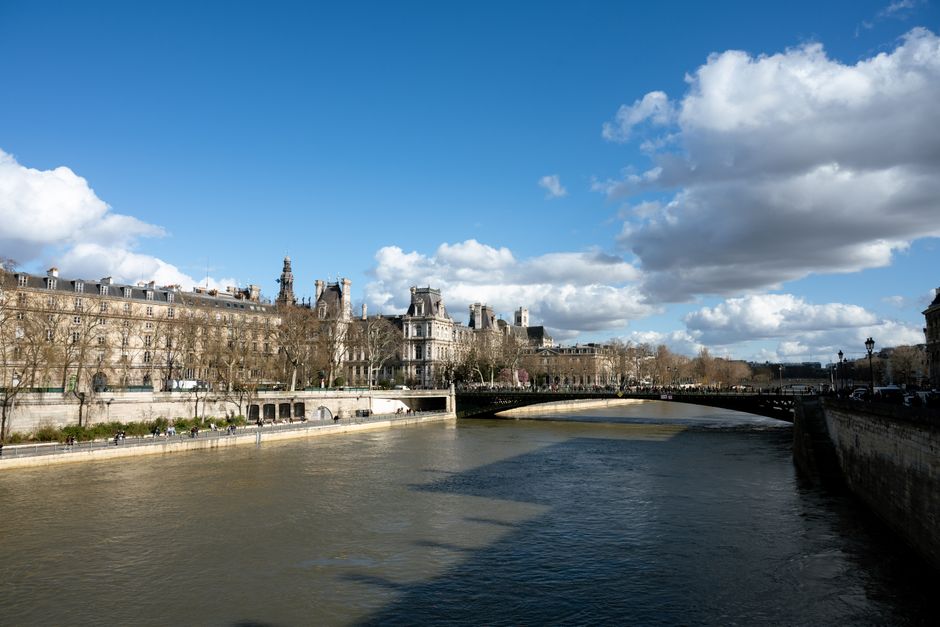
Stay on the edge of the action, not beside the postcard. The eastern Marais, Canal Saint-Martin, or the quieter side streets of the 11th arrondissement give you restaurants, bakeries, and Metro access without placing you in the busiest tourist funnel; the Eiffel Tower area looks convenient on a map but costs you time in long transfers and crowded evening routes, while Saint-Germain-des-Prés is beautiful but often charges a premium for a location that does not make a short itinerary easier.
Best base
For a relaxed first visit, choose a hotel or apartment within a ten-minute walk of a Metro station between République, Oberkampf, Bastille, or Saint-Paul, then keep your daily plans inside one broad section of the city. This gives you reliable transport, late food options, and a manageable return route when the weather turns unpleasant.
Worst base
Do not choose accommodation only because it is close to one landmark, especially the Eiffel Tower or the Louvre, unless the view is the central reason for the trip; the nightly premium, tourist-heavy dining, and longer cross-city journeys can easily cost more than the supposed convenience, and a calm residential street near République will usually create a better weekend rhythm.
How to spend three days without crossing the city
The schedule below keeps each day geographically tight and leaves a buffer for weather, delayed trains, or a lunch that runs long. Times are deliberately approximate. A relaxed Paris weekend needs a plan, but it also needs space around the plan.
Friday: arrive and settle into the rhythm
| Time | Plan | Why it works |
|---|---|---|
| 16:00 | Check in and buy groceries or a simple snack | You avoid spending the first evening solving basic logistics |
| 17:00 | Walk Canal Saint-Martin from République toward Bassin de la Villette | Flat, scenic, and less demanding after travel |
| 19:30 | Dine near the canal or in the 11th arrondissement | You stay close to your base instead of chasing a famous address |
| 21:30 | Return early or stop for one drink | Save energy for the Saturday museum visit |
Saturday: history, courtyards, and one serious museum
Start at Musée Carnavalet when it opens at 10:00. Its permanent collections are free and do not require a booking, which makes it one of the strongest low-risk choices in Paris. Walk through the Marais afterward, pause at Place des Vosges, and eat lunch before deciding on a second indoor stop. If the weather is dry, continue toward the Seine. If rain is steady, choose one paid museum and stop there rather than adding a second rushed visit.
Sunday: a quiet morning and a flexible finish
Use Sunday morning for Père-Lachaise Cemetery, the Parc de Bercy area, or the quieter streets around Belleville. Choose one, not all three. Have lunch nearby, then spend the final afternoon in covered passages around the Grands Boulevards or in a café with a view of ordinary Parisian life. The best ending is often a short final walk, an early dinner, and a clear route to your station or airport.
Which sights are worth the winter queue?
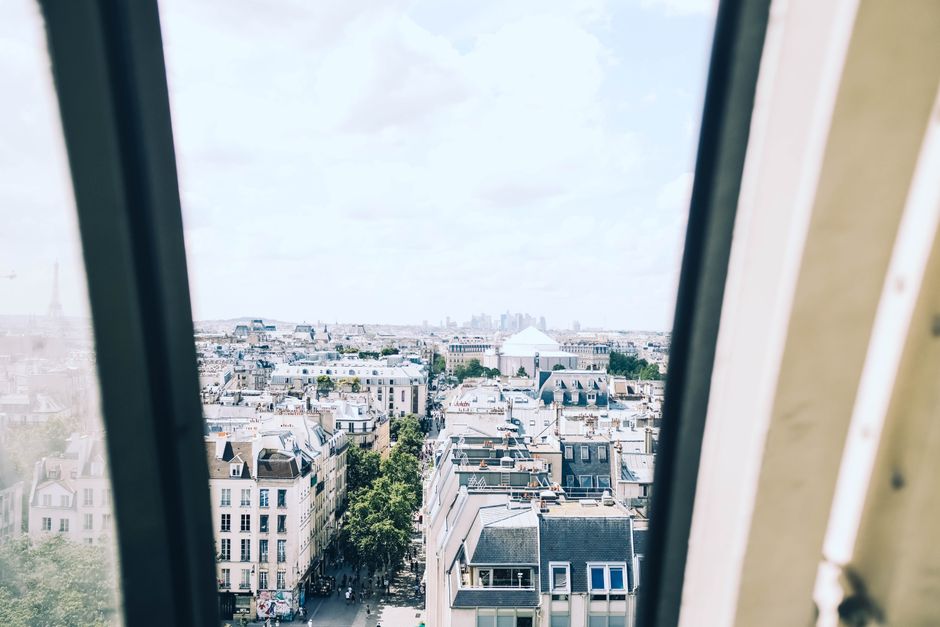
My clear verdict: pay for one major sight, then use free or low-cost places to create the rest of the weekend. The Louvre is worth the time if you want its collection and can give it at least three hours. It is poor value if you are visiting only to take one photograph of the Mona Lisa before leaving. Musée Carnavalet is the better choice for travelers who want Paris itself: its permanent collection is free, its location fits a Marais walk, and you can leave after an hour without feeling that you wasted a costly ticket.
The Louvre: buy it when the collection is the point
- Book through the official Louvre ticket page.
- Budget €22 for visitors who qualify for the European Economic Area rate and €32 for non-EEA visitors, based on the museum’s rates applicable from January 14, 2026.
- Add €6 only if an audio guide will improve your visit; it is not essential for a short, focused route.
- Choose three wings or themes before arrival. Trying to cover the whole museum creates fatigue, not value.
The Paris Museum Pass: a numbers-only decision
The 48-hour Paris Museum Pass costs €85 and covers more than 50 museums and monuments, but it makes financial sense only if your route includes several paid sites. The official pass site says savings start, on average, from the fourth visit. It also does not remove every reservation requirement, and it does not cover every temporary exhibition. Buy it for a museum-heavy weekend with at least four eligible visits. Skip it for this relaxed itinerary if you plan one paid museum, several free walks, and a long lunch.
What should you skip when crowds return?
Is Paris really quiet in February?
No. February reduces pressure in many places, but it does not remove it. Valentine’s weekend, school holidays, major exhibitions, Saturday shopping, and bad-weather museum demand can produce long lines. Check the calendar before booking, then place your most popular sight at opening time or on a weekday if your dates allow it.
Should you fit the Eiffel Tower, Louvre, Montmartre, and Versailles into one weekend?
No. That is a poor trade. Versailles alone can consume most of a day once you include the train, security, walking, and return journey. For a first February weekend, choose either a central museum day or a major day trip, then keep the other day in Paris. The city feels larger and more rewarding when you stop treating it like a checklist.
When should you not buy a pass or book a famous restaurant?
Skip the Paris Museum Pass when your route contains fewer than four paid eligible sites. Skip Batobus when you would use it only once. Skip a famous restaurant reservation when the menu is expensive, the location is inconvenient, and the booking dictates your entire evening. The strongest recommendation is simple: base yourself near République, Saint-Paul, Bastille, or Oberkampf; visit one major sight; use Musée Carnavalet and neighborhood walks as your free structure; and keep Sunday open for weather. That plan gives you a quieter Paris weekend with enough landmarks to feel complete and enough empty space to enjoy it.