
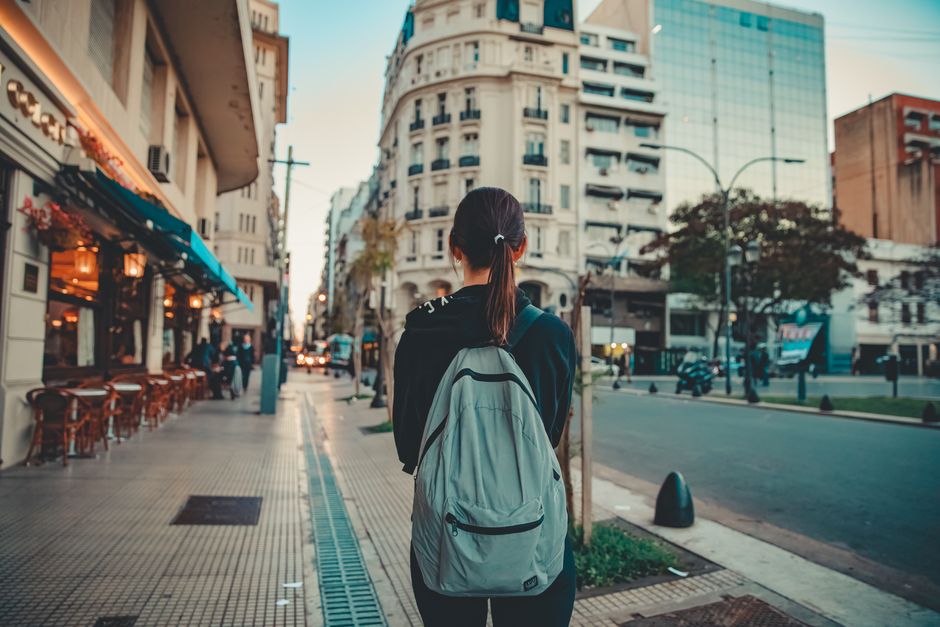
You booked the flight. You told your friends. And now, three weeks before departure, your mother sends you a news article about a robbery in Bogotá with the caption: “Please reconsider.”
You’re not naive. You know Latin America has real safety challenges. But you also know that thousands of women travel solo through Mexico, Colombia, Costa Rica, and Peru every year without incident. The difference between a nightmare story and a boring, beautiful trip usually comes down to one thing: a system.
This isn’t a fear list. It’s a framework. Six sections. Specific tools. Clear verdicts.
The Real Risk Profile: What Actually Happens vs. What You Fear
Most safety advice for solo female travelers in Latin America is either useless platitudes (“trust your gut”) or fear-mongering that treats an entire continent like a war zone. Both are worthless.
Here’s what the data actually shows. The most common incidents for solo female travelers in Latin America are not violent crimes. They are:
- Petty theft (phone snatching, bag slashing, pickpocketing)
- Taxi scams (overcharging, taking longer routes, card skimming)
- Drink spiking at bars and hostels
- Unwanted attention and verbal harassment
- ATM fraud
Violent crime against tourists is rare in most tourist corridors. The places that make headlines — certain neighborhoods in Caracas, parts of rural Guerrero in Mexico, specific barrios in Medellín — are not places you’ll accidentally wander into if you follow basic routing rules.
The real risk is inconvenience and violation, not physical danger. That doesn’t mean you shouldn’t prepare. It means you should prepare for the right things.
The 2026 Route Framework: Where to Start, Where to Avoid
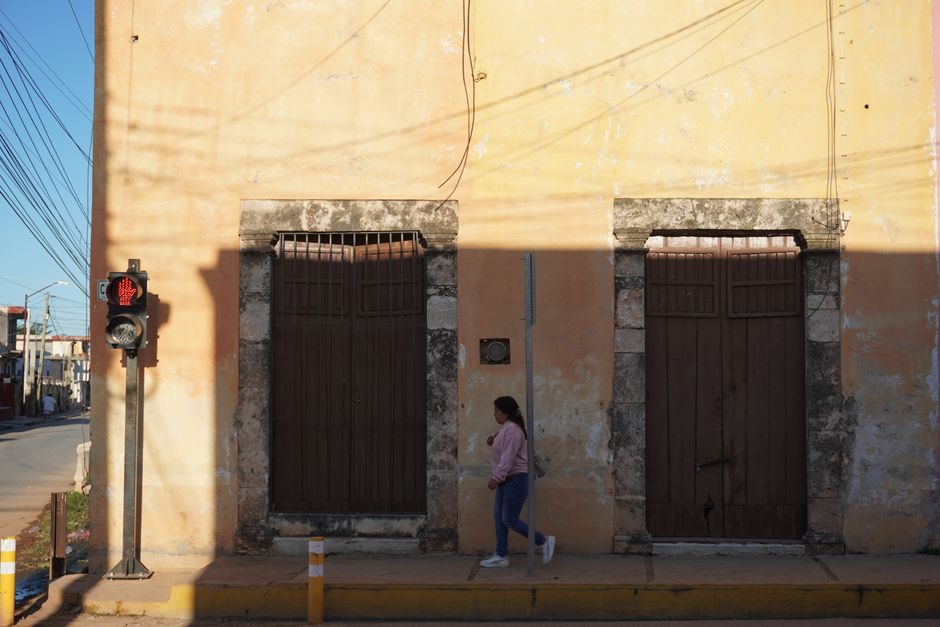
Your route matters more than any safety gadget. Here’s my honest breakdown for 2026 based on current conditions, infrastructure, and solo female traveler reports.
| Country | Solo Female Difficulty | Best For | 2026 Notes |
|---|---|---|---|
| Mexico (Yucatán, Oaxaca, CDMX) | Low | First-timers, food, culture | Strong tourist infrastructure. ADO buses are reliable. Stick to tourist corridors. |
| Costa Rica | Low | Nature, wellness, ease | Most expensive but easiest. Tourism is the main industry. |
| Colombia (Medellín, Cartagena, Salento) | Medium | Nightlife, value, digital nomads | Medellín is safer than its reputation but phone theft is common. Use Uber, not street taxis. |
| Peru (Cusco, Lima, Arequipa) | Medium | History, trekking | Cusco is very tourist-heavy. Lima’s Miraflores is fine. Avoid late-night arrivals. |
| Guatemala (Antigua, Lake Atitlán) | Medium | Spanish schools, volcanoes | Antigua is compact and walkable. Chicken buses are cheap but chaotic — use tourist shuttles. |
| Brazil (São Paulo, Rio) | High | Experienced travelers only | Phone theft is rampant. Do not use your phone on the street in Rio. Period. |
Verdict: If this is your first solo trip to Latin America, start with Mexico’s Yucatán or Costa Rica. Build confidence. Then level up to Colombia or Peru.
Transportation Rules That Actually Matter
Transportation is where most things go wrong. Not because of violence but because you’re tired, carrying bags, and your phone is out. Here’s the system.
Use Uber, Cabify, or DiDi — Never Street Taxis
In Mexico City, Medellín, Bogotá, Lima, and São Paulo, ride-hailing apps are safer than hailing a cab. You get driver info, GPS tracking, and a digital record. Street taxis in these cities have higher rates of overcharging and occasional express kidnapping scams. This isn’t paranoia. It’s math.
Long-Distance Buses: Book First Class
In Mexico, use ADO Platino or ADO GL. In Colombia, use Bolivariano or Flota Magdalena premium services. In Peru, use Cruz del Sur or Oltursa. These have assigned seating, luggage tags, and security cameras. The extra $5-10 is worth it.
Arrival Times Matter More Than You Think
Never arrive in a new city after dark if you can avoid it. This is the single most underrated safety rule. A daytime arrival means you can see your surroundings, find your hostel in daylight, and orient yourself before night falls. Book flights and buses accordingly.
The Tech Stack: Apps and Tools That Replace Luck

Your phone is your most important safety tool. But only if it’s set up correctly before you leave.
- Google Maps offline downloads — Download every city you’ll visit. You won’t always have data.
- WhatsApp — The default communication app across Latin America. Hostels, tour operators, and even restaurants use it.
- iOverlander or Rome2Rio — For route planning and understanding transport options between cities.
- Hostelworld or Booking.com — Book your first 2-3 nights in advance. After that, you’ll have local intel.
- Airalo eSIM — Install a regional eSIM before you land. Having data on arrival means you’re not standing outside the airport looking lost.
One more thing: a burner phone. If you’re carrying an iPhone 15 Pro or Samsung Galaxy S24, consider bringing an older phone for daily use. Keep your expensive phone in your bag or hostel locker. Use the cheap phone for maps and photos on the street. If it gets snatched, you’ve lost $100, not $1,000.
Accommodation: The Hostel vs. Airbnb Decision
For solo female travelers, hostels are often safer than Airbnbs. Not because of locks and security cameras, but because of witnesses.
A good hostel in Antigua or Cusco has staff at the desk 24/7, other travelers who notice if you don’t come back, and a social environment where you can find travel buddies for night activities. An Airbnb in a residential neighborhood can be isolating — and if something feels off, you’re alone.
That said, not all hostels are equal. Look for:
- Female-only dorms (common in Mexico, Colombia, and Costa Rica)
- 24-hour reception
- Lockers with your own padlock
- Recent reviews from solo female travelers mentioning safety specifically
For private rooms, I’d choose a well-reviewed boutique hostel with private rooms over a random Airbnb in most Latin American cities. The Selina chain (throughout Latin America) and Viajero Hostels (Colombia, Mexico) both have solid reputations for solo female travelers.
The Nightlife Protocol

You didn’t fly to Latin America to sit in your room at 8 PM. But nightlife is where the risk curve bends upward. Here’s the protocol I’d give a friend.
Go out with people from your hostel. Not strangers from the street. Not someone you met on Tinder an hour ago. Hostel groups have social accountability. If you disappear, someone notices.
Watch your drink. This is not a cliché. Drink spiking is the most common violent crime against female travelers in Latin America. Keep your hand over your glass. Don’t accept drinks from people you just met. If you leave your drink unattended, get a new one.
Know your route home. Before you go out, save the hostel address in your phone. Make sure you have enough battery for one ride-hailing trip. If your phone dies, you’re stranded. Carry a small power bank.
And the unspoken rule: don’t tell strangers where you’re staying. Not the exact hostel. Not your room number. “I’m staying near Parque Lleras” is enough.
This is the part where I’m supposed to say “trust your gut.” You should. But a system works better than intuition. Follow the protocol, and your gut will have less work to do.
You’ll land. You’ll take the ADO bus from Cancún airport to Tulum. You’ll check into a hostel with a female dorm and 24-hour reception. You’ll walk to the beach at sunset with two women from Germany and one from Argentina. You’ll send your mother a photo of yourself eating tacos al pastor, smiling, alive, bored in the best possible way.
And when she asks if it’s safe, you’ll say: “I have a system.”