
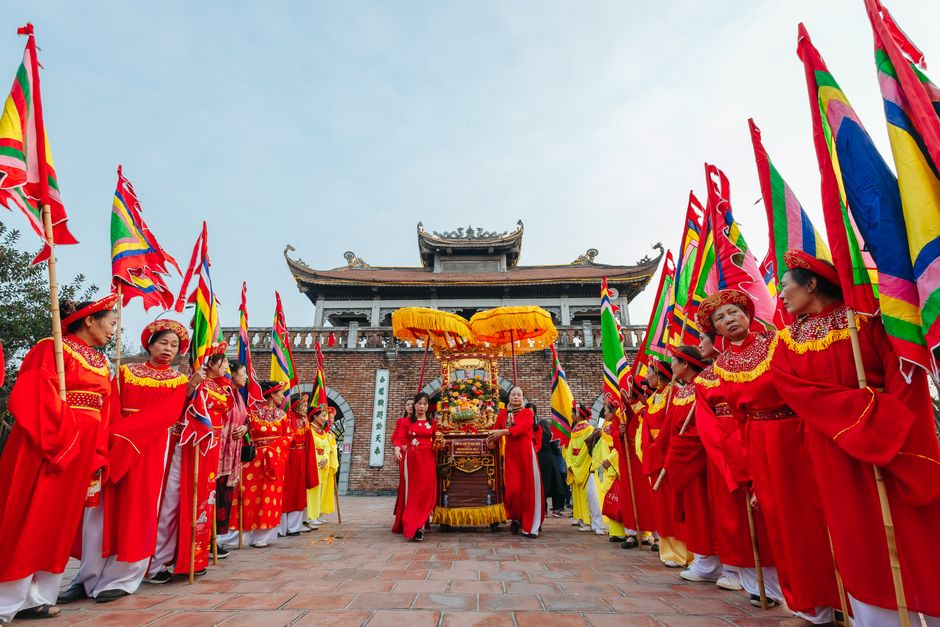
Visit Hong Kong during Lunar New Year if you want the city at its most festive, but book around the three-day holiday and expect crowds, altered opening hours, and transport changes. February brings cool walking weather, red lanterns, flower markets, lion dances, temple visits, and major harbour celebrations. It also brings a short period when popular restaurants, family-run shops, and some attractions close or reduce their hours.
What Lunar New Year in Hong Kong feels like
The festival is not a single evening. It builds before New Year’s Day and continues through the first weeks of the lunar calendar. Streets turn red and gold, businesses display auspicious decorations, and families move between homes, temples, markets, and reunion meals. The Hong Kong Tourism Board festival calendar is the useful starting point because parade and performance details can change each year.
How the 2026 dates affect your trip
In 2026, Lunar New Year’s Day falls on Tuesday, 17 February, followed by public holidays on 18 and 19 February. New Year’s Eve falls on 16 February. The first day usually brings the night parade, the second day often brings fireworks over Victoria Harbour, and the third day is linked with the annual Lunar New Year horse-racing meeting. Treat those event patterns as planning clues, then confirm the official schedule before travelling.
| Date | What travellers may see | Planning effect |
|---|---|---|
| 16 February 2026 | New Year’s Eve meals, flower markets, evening preparations | Busy roads and late-night crowds |
| 17 February 2026 | Public holiday and night parade atmosphere | Central areas and Tsim Sha Tsui become crowded |
| 18 February 2026 | Public holiday and possible harbour fireworks | Reserve a waterfront viewing plan early |
| 19 February 2026 | Third public holiday and festive racing traditions | Some shops remain closed or open late |
What the city looks and sounds like
Expect loud lion-dance drums, queues outside temples, families carrying red packets, and decorations in shopping centres as well as older neighbourhoods. The mood feels festive rather than chaotic in most districts, but large events create hard-edged crowd pressure at station entrances and waterfront viewpoints. Wear shoes that handle long walks and keep your group together near parade routes.
What February weather means for your luggage
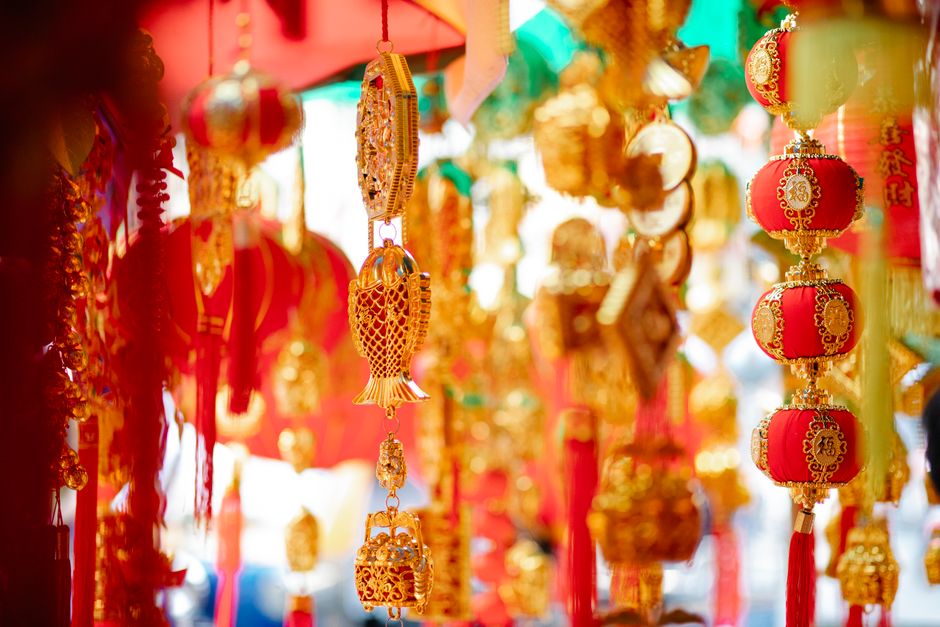
Hong Kong in February is cool by local standards, not winter-cold by many northern travellers’ standards. The Hong Kong Observatory climate normals give February a mean daily high of 19.4°C, a mean temperature of 17.1°C, and a mean daily low of 15.3°C. Average monthly rainfall is 38.9 millimetres, far below the wet-season totals of May through September. Those figures describe a useful pattern, not a guarantee: a sunny afternoon can feel mild, while a damp north-easterly wind can make the same day feel chilly.
Pack layers instead of heavy winter clothing
Bring a light insulated jacket or fleece, two long-sleeved tops, comfortable trousers, and a compact rain shell. Add one breathable T-shirt for warmer afternoons. The best footwear is a pair of shoes with grip because the festival involves pavement walking, temple steps, market queues, and crowded pedestrian bridges. An umbrella helps with light rain, but a hooded shell leaves both hands free for a phone, camera, or rail card.
Plan for indoor and outdoor temperature swings
Shopping malls, restaurants, museums, and public transport can feel warmer than the street, while Victoria Peak, exposed harbour promenades, and ferry decks feel colder. Dress in removable layers. Check the forecast again 48 hours before departure and again each morning. The Hong Kong Observatory’s 2026 February summary showed how far actual conditions can move from the long-term average, so climate numbers should guide packing rather than replace a short-range forecast.
Sun protection still matters. February days can produce strong glare from the harbour and high-rise glass, even when temperatures stay below 20°C. Pack sunglasses and a small bottle of water for long outdoor events.
How to build an itinerary around closures and crowds
The safest plan uses the festival itself as the anchor, then places flexible sightseeing around it. Avoid crossing the whole city for a single timed attraction during the three public holidays. A delayed train, road closure, or unexpected queue can turn a simple visit into a missed reservation.
Use this five-part planning method
- Reserve the fixed parts first. Secure accommodation and any timed harbour, dining, or cultural booking before the holiday week.
- Keep the first festival day local. Stay near Tsim Sha Tsui, Central, Wan Chai, or your chosen parade area instead of scheduling a distant excursion.
- Place temples early in the day. Wong Tai Sin Temple, Che Kung Temple, and other popular worship sites become much busier around the holiday.
- Check opening notices directly. Small restaurants, markets, galleries, and family businesses may close for several days even when their normal online listing says open.
- Leave a transport buffer. Allow at least 30 extra minutes for a cross-harbour journey during a major event and keep the last part of the route on foot where possible.
A practical four-day rhythm
- Day one: Explore your arrival neighbourhood, collect local information, and visit a flower market before the largest crowds build.
- Day two: Watch a parade or festive performance, then eat near your hotel rather than chasing a famous restaurant across town.
- Day three: Use the morning for a temple visit and the afternoon for a harbour or museum plan; keep the evening flexible for fireworks arrangements.
- Day four: Choose a quieter district, an island walk, or a New Territories excursion after checking transport notices.
This structure gives the trip a clear centre without making every hour depend on an event timetable.
Is Lunar New Year the right February week for your trip?
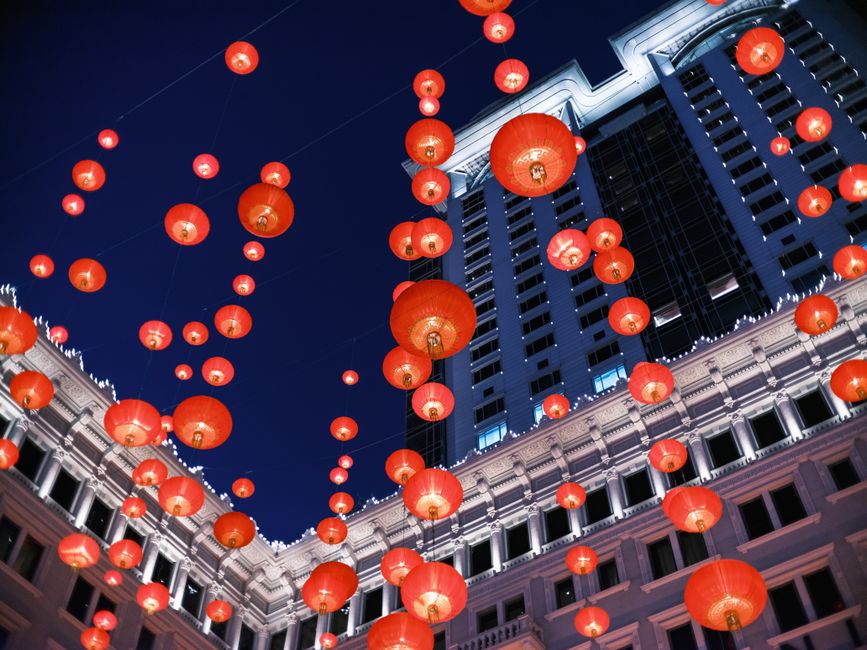
The clear verdict for first-time festival visitors
Choose the core holiday week if your priority is atmosphere. You will see Hong Kong at its most colourful, hear traditional performances in public spaces, and experience customs that disappear from ordinary sightseeing itineraries; the trade-off is higher demand, fewer spontaneous dining choices, and a greater need to confirm opening hours before leaving your hotel.
When another February week is the better choice
Choose the week before or after the holiday if your priority is efficient sightseeing, quiet restaurant visits, hiking, or a tightly scheduled family trip, because museums and independent shops usually provide more predictable access and the weather remains similar; you will miss some headline events, but you gain shorter queues and more room to move.
Families with young children should favour the festival week only when they can accept late nights and dense crowds, since parade zones can become tiring before the main performance begins; families that want theme parks, shopping, and simple transport will usually have a smoother trip outside the three public holidays.
Travellers who dislike uncertainty should not treat the official holiday dates as proof that every attraction will operate normally, because Hong Kong’s large transport network keeps moving while individual businesses make their own holiday decisions; the most reliable compromise is a split stay with one or two festival days followed by quieter neighbourhood days.
What can go wrong with transport, payments, and etiquette?
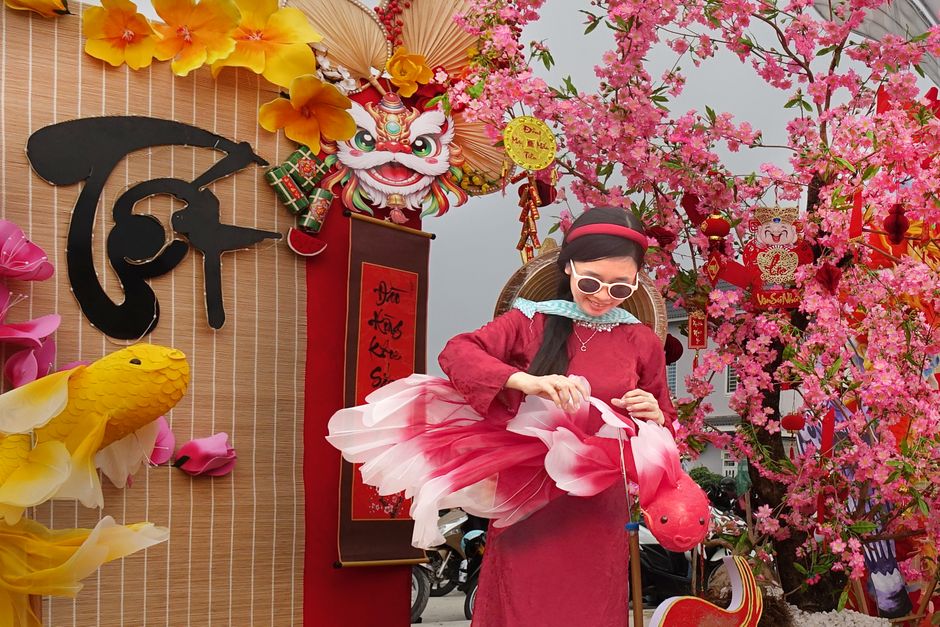
Will public transport still work?
Yes, but special arrangements can alter entrances, bus routes, road access, and station exits around major events. Read the Transport Department’s Lunar New Year notice before travelling to a parade or fireworks area. Do not assume a taxi can drop you at the waterfront during a road closure.
Which small mistakes cause the most trouble?
It works across many transport and retail locations, but check the balance before a busy trip and keep a backup payment card.
- Do not touch temple altars, incense burners, or offerings without watching local practice first.
- Do not block station gates or parade barriers for photographs.
- Do not expect every restaurant to accept a walk-in group during reunion-meal dates.
- Do not throw red packets or handle ceremonial objects as props.
- Do not rely on one event page saved months earlier; schedules, viewing zones, and transport controls can change.
The most respectful approach is also the least stressful: observe first, ask before photographing people or rituals, and leave extra time for every high-demand journey.