

The common misconception is that every short-haul February break delivers beach weather. It does not. Mainland Spain and Portugal can feel pleasantly mild at lunchtime, then chilly after sunset. The Canary Islands offer the best odds of warmth, while Madeira wins for scenery and the Costa del Sol works well for a low-effort city-and-coast escape.
For 2026, many English schools have a half-term week around 16–20 February, although dates vary by council and school. Use the table below as a starting point, then check the forecast, airport, transfer time and baggage cost before booking.
Which February destinations are actually warmer?
The short-haul shortlist from the UK
These figures are typical February conditions, not guarantees. Daytime temperatures depend on wind, cloud and altitude. Flight times are approximate nonstop times from London, so routes from Manchester, Birmingham, Bristol, Edinburgh and other airports will differ.
| Destination | Typical February day | Approximate flight time | Best for |
|---|---|---|---|
| South Tenerife or Gran Canaria | 20–22°C | 4 hours 30 minutes | Best chance of pool weather |
| Madeira | 18–20°C | 3 hours 50 minutes | Walking, food and dramatic scenery |
| Málaga and the Costa del Sol | 17–18°C | 2 hours 50 minutes | Easy city breaks with outdoor lunches |
| Alicante and Costa Blanca | 17–19°C | 2 hours 40 minutes | Bright days and simple family logistics |
| Faro and the Algarve | 16–18°C | 2 hours 50 minutes | Quiet beaches, cliffs and golf |
| Marrakech | 20–22°C | 3 hours 40 minutes | Sun, markets and a stronger change of scene |
The honest verdict
Sunshine is not the same as heat. If you want reliable warmth for outdoor pools, choose southern Tenerife or Gran Canaria. If you want a relaxed break with a good chance of sitting outside, Málaga, Alicante and Faro are strong value. Madeira and Marrakech can feel warmer than the numbers suggest in full sun, but both need a plan for cooler evenings. The Canary Islands are the clearest winner when weather is the main reason for travelling.
Choose the trip by the weather you can tolerate

If you need the best chance of warmth
Pick the south of Tenerife or Gran Canaria. Stay near Costa Adeje, Los Cristianos, Maspalomas or Puerto de Mogán rather than assuming every part of an island has the same climate. Northern slopes can be cloudier, and mountain areas are cooler. A heated pool matters more than a sea view if children expect to swim.
If you want outdoor sightseeing without summer crowds
Choose Málaga, Alicante or the Algarve. Their daytime temperatures suit walking, museums, boat trips and long lunches, but the Atlantic and Mediterranean water will feel cold to most swimmers. These destinations are better for active days than for a traditional beach holiday.
- Choose the Canary Islands for the highest weather margin.
- Choose Madeira for levada walks, food and scenery.
- Choose Málaga for the simplest mix of airport access, culture and restaurants.
- Choose Alicante for a compact city, a promenade and easy day trips.
- Choose the Algarve for cliffs, beaches and a quieter pace.
- Choose Marrakech only if your group enjoys busy streets, strong sun and a different travel rhythm.
My clear recommendation is to match the destination to the activity you will still enjoy in cool weather. A family that wants to swim every day should not book Faro because the forecast shows a sunny symbol. A couple that wants coastal walks should not pay Canary Islands prices for a resort they will barely use.
How to build a four-night half-term itinerary
Day 1: make arrival day easy
Book the earliest practical flight, but do not build a major excursion around the landing time. February delays, baggage waits and evening transfers can eat half a day. Stay within 45 minutes of the airport for a four-night trip. In Málaga, that could mean the city centre, Torremolinos or the eastern Costa del Sol. In Tenerife, choose one base rather than splitting the island.
Days 2 and 3: alternate fixed plans with open time
Put your longest outing on the day with the best forecast. Reserve one timed attraction before departure, then leave the rest flexible. A good structure is one outdoor day, one weather-proof day and one local day. In Madeira, combine a short levada walk with Funchal rather than attempting a full-island drive every day. In the Algarve, pair one cliff walk with a market, museum or long lunch. In Málaga, use one day for the Alcazaba and old town, then take the train towards the coast or a nearby town.
Do not treat a four-night break like a nine-night holiday. Every extra transfer costs time. A family may spend two hours packing, checking out and driving to a second hotel, which leaves less time than a single well-chosen day trip. A four-night base near useful restaurants and public transport usually beats a more ambitious route.
Day 4: keep the final full day weather-proof
Save a flexible plan for the final full day. If the forecast improves, take a boat trip or coastal walk. If rain arrives, use a food market, aquarium, museum, indoor attraction or long lunch. Avoid booking a non-refundable activity on the final morning. Your return flight may be early, and airport queues are less forgiving during school holidays.
Build every day around one anchor, not five. That rule keeps the trip calm and leaves room for the weather to change.
My strongest picks for families and couples
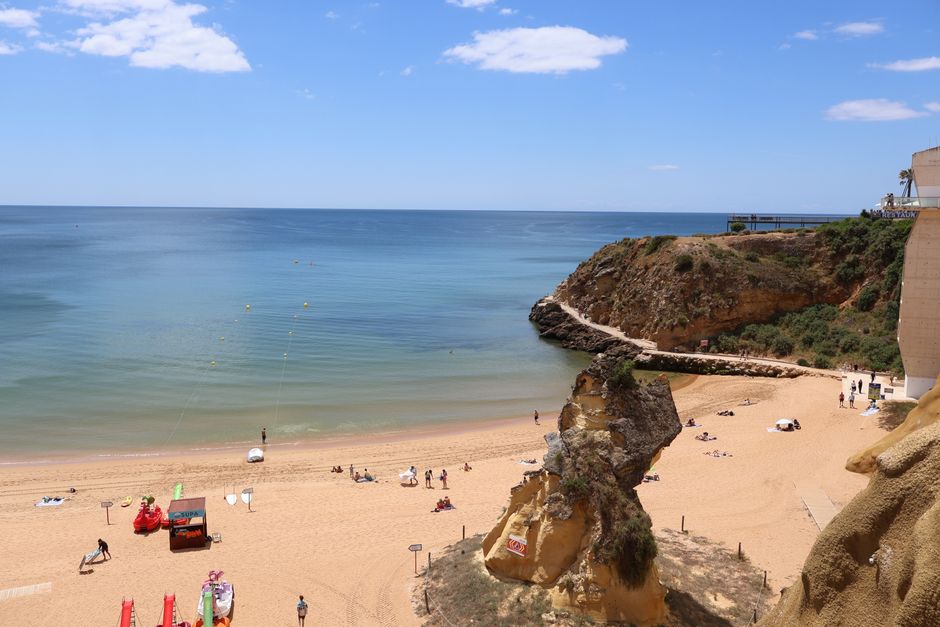
Best overall: southern Tenerife
Southern Tenerife is the strongest choice for families who want warmth without a complicated itinerary. Resorts have frequent flights, large accommodation choice, short transfer options and enough indoor attractions for a cloudy afternoon. The trade-off is cost: February half-term demand can push up flights and rooms, especially around school dates. Book the location for its weather and facilities, not just its headline price.
Best for a grown-up break: Madeira
Madeira is the better choice for couples and families with older children who prefer walking, food and scenery to a resort timetable. Funchal gives you restaurants, markets and a compact base, while the island provides viewpoints, gardens and mountain roads. The trade-off is weather variation. A sunny Funchal morning does not guarantee clear conditions at a high viewpoint. Pack layers and keep one low-level plan ready.
Best easy-value option: Málaga
Málaga wins when the goal is a short flight, simple transport and plenty to do without hiring a car. AEMET climate normals for Málaga Airport show a February average maximum around 17.7°C, with cooler nights. That is mild for sightseeing, not dependable swimming weather. The city is a better bet than a remote resort if your group values cafés, museums and walkable streets.
For the highest chance of warmth, choose southern Tenerife. For the best mix of scenery and food, choose Madeira. For the least complicated four-night break, choose Málaga.
Mistakes that make a mild-weather break disappointing
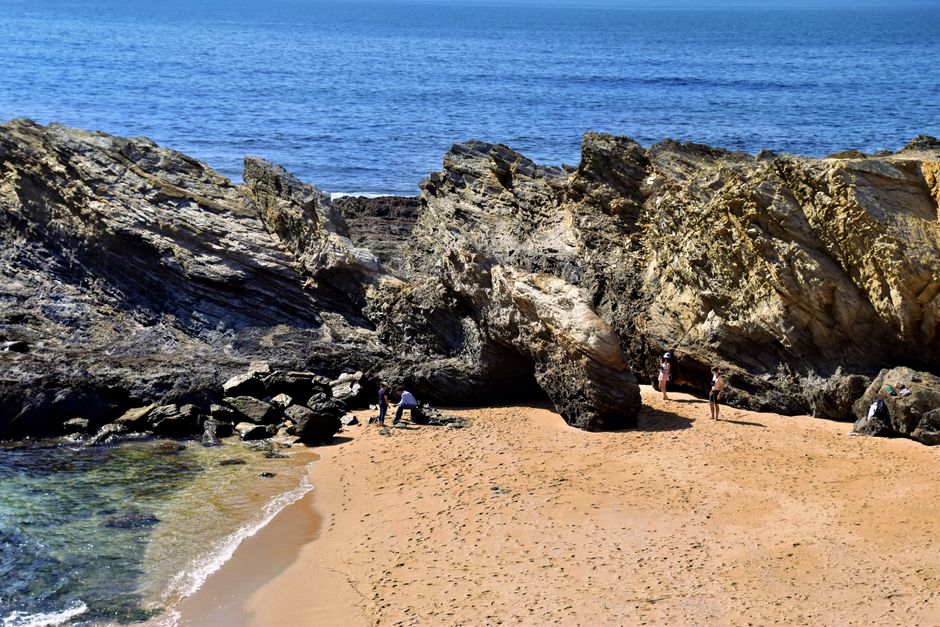
Booking the warmest-looking destination without checking the microclimate
Island weather changes quickly across short distances. Northern Tenerife, high Madeira and exposed Algarve cliffs can feel much cooler than sheltered resort streets. Check the exact town, not only the island or country. Look at wind as well as temperature. A 19°C day with strong wind may feel colder than a calm 17°C afternoon.
Ignoring baggage rules and transfer time
Low headline fares can become expensive once seats, cabin bags and transfers are added. easyJet’s small under-seat bag limit is 45 × 36 × 20 cm. Ryanair’s small personal bag limit is 40 × 20 × 25 cm. Jet2 includes one 10kg hand-luggage bag up to 56 × 45 × 25 cm. Rules and fees can change, so check the booking directly before packing.
Another common mistake is choosing a beautiful but isolated hotel for a four-night trip. If every meal needs a taxi and every activity needs a long drive, the break will feel rushed. Check the walking route to restaurants, the airport transfer estimate and the nearest indoor option before paying.
Finally, do not fill every day with excursions. February weather can change by lunchtime, and children often need downtime after an early flight. Pay for flexibility where it matters: a refundable room, sensible transfer and one unplanned afternoon.
The single most important takeaway is simple: for February half-term trips, choose southern Tenerife or Gran Canaria when warmth matters most, and choose Málaga or Madeira when easy sightseeing matters more than guaranteed beach weather.