
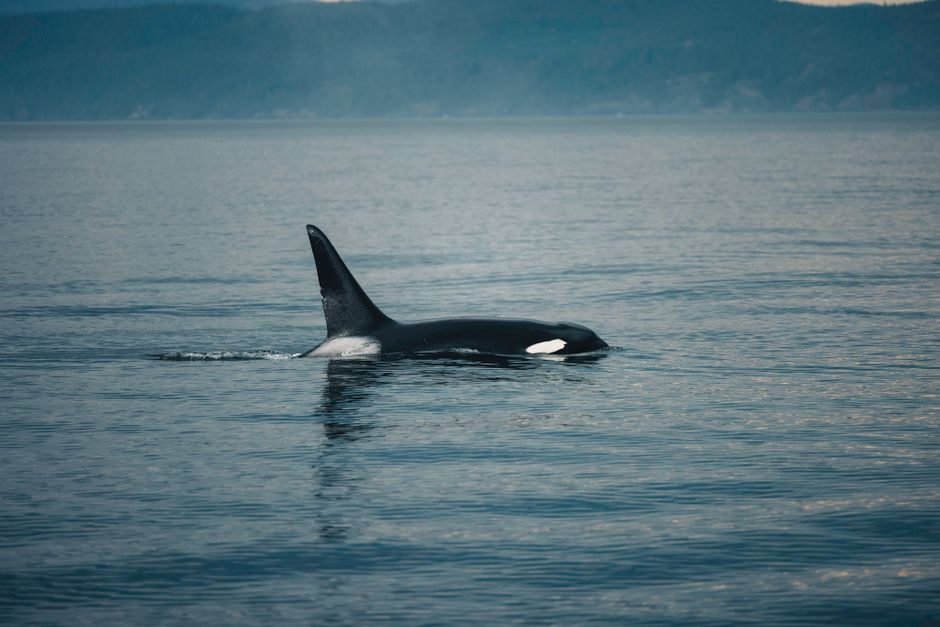
You land in Los Cabos on a Friday afternoon, expecting a simple boat trip. Then the planning problem appears: gray whales are on the Pacific side, humpbacks pass Los Cabos, blue whales may show near Loreto, and the distances between these places are much longer than the map suggests. A February trip can be excellent, but only if you choose one whale region instead of trying to collect every sighting from a single hotel.
The strongest plan for most travelers is five or six days built around one primary area, one weather backup, and a spare morning for a canceled boat departure. Wildlife is not a guaranteed attraction, so the trip should still work if the sea is rough or the whales stay below the surface.
Where to see whales in Baja California Sur in February
Choose the species before choosing the airport
February is the center of the gray whale season in Baja California Sur. Gray whales gather in protected Pacific lagoons to mate, calve, and nurse. The main choices are Laguna San Ignacio, Ojo de Liebre near Guerrero Negro, and Magdalena Bay ports such as Puerto López Mateos, Puerto San Carlos, and Adolfo López Mateos. These sites offer the clearest route to mother-and-calf encounters, but they require long drives or a dedicated camp itinerary.
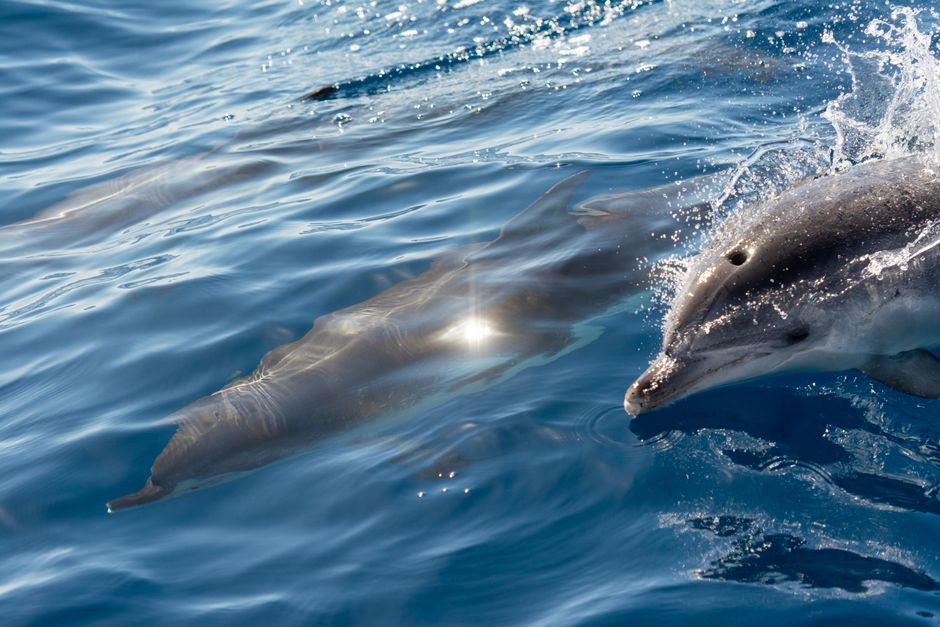
Los Cabos is the easier choice for travelers who want a short excursion from a resort. Humpback whales pass the southern tip of the peninsula from roughly January through April, and operators commonly run trips from Cabo San Lucas or San José del Cabo. The open Pacific and the meeting point with the Sea of Cortez can produce dramatic breaches, but the boat ride is less sheltered than a lagoon trip.
Loreto offers a different proposition. The region is known for seasonal sightings of blue and fin whales in the Gulf of California. These are offshore searches, not close lagoon encounters, and the day may involve more time on the water. The reward is the chance to see a much larger, less predictable animal in a broad marine setting.
My route verdict
For a first February trip centered on gray whales, I would choose Magdalena Bay or San Ignacio Lagoon. Magdalena Bay works better for a short stay from La Paz, while San Ignacio is the stronger pick for travelers who want a remote, immersive camp experience. Choose Los Cabos only if resort convenience matters more than close gray-whale encounters. The official Baja California Sur tourism guide lists gray whales at San Ignacio, Ojo de Liebre, and Magdalena Bay, while it places humpbacks near Los Cabos and blue whales near Loreto. Check the state tourism species map before paying a deposit.
| Area | Main species | Typical February experience | Best for |
|---|---|---|---|
| Magdalena Bay | Gray whale | Lagoon boat trip, often about two hours on the water | First-time visitors and families |
| San Ignacio Lagoon | Gray whale | Remote lodge or camp, slower travel, strong nursery setting | Wildlife-focused travelers |
| Los Cabos | Humpback whale | Half-day ocean excursion from a major resort area | Convenience and resort holidays |
| Loreto | Blue and fin whale | Longer offshore search in the Gulf of California | Experienced marine wildlife travelers |
How to build a six-day February itinerary
Days 1 to 3: arrive, transfer, and take the first boat
- Day 1: Arrive in La Paz or Los Cabos and stay near the airport or your departure route. Do not schedule a same-day long transfer to a remote lagoon after an international flight.
- Day 2: Drive to your whale port, check in, and keep the afternoon light. A four-hour drive becomes longer when fuel stops, road work, or livestock slow traffic.
- Day 3: Take the first available whale trip. Morning departures usually leave more room to reschedule if weather cancels the outing. Keep your afternoon open for a second departure or a local meal.
This structure is deliberately plain. The expensive mistake is compressing the entire trip into one boat departure and one return flight. A canceled outing then turns into a missed flight, a lost deposit, and no whale experience.
Days 4 to 6: build in recovery time
- Day 4: Use a second whale morning if your operator offers one. If the first trip went well, visit dunes, mangroves, an oyster farm, or a nearby mission instead of adding another long drive.
- Day 5: Return toward La Paz, Loreto, or Los Cabos. Break the route into daylight driving segments. Baja roads can feel empty, but that does not mean fuel, food, or mobile coverage are available at every turn.
- Day 6: Keep the final morning free before your flight. A road delay from the Pacific side can easily consume half a day, so a late departure is safer than an early connection.
The most balanced version is La Paz plus Magdalena Bay: two nights in La Paz, one night near the departure port, one whale day, and two nights for the return and a backup. The route is less punishing than a same-day round trip from Los Cabos and gives you access to a city with restaurants, fuel, and medical services.
What a February whale tour should cost and include
Compare the boat, not only the headline price
Tour prices vary by departure port, boat size, transfer distance, meals, lodging, and group size. The following figures are published examples or planning benchmarks, not guaranteed rates for every date. Confirm the current total, taxes, deposits, and cancellation terms directly before payment.
These examples show why a cheap-looking boat fare may not be the lowest total cost. A day trip from La Paz can include a long transfer, breakfast, lunch, and roughly two hours on the water. A remote camp may include lodging, meals, ground transport, and several chances to launch. Compare the full day and the cancellation terms.
Questions to ask before paying
- Is the boat private or shared, and what is the maximum passenger count?
- How many hours are spent on the water rather than driving?
- Are permits, park fees, meals, drinking water, and life jackets included?
- What happens if the port closes or the operator cancels?
- Is the trip suitable for children, pregnant travelers, or people with back and mobility problems?
- Can the operator move your booking to a second morning without charging a new fee?
My clear value pick for a group of four to six is a private Magdalena Bay boat with a published capacity and a written weather policy. My pick for travelers who dislike logistics is a multi-day San Ignacio package, even though the total price is much higher. The right comparison is cost per usable wildlife day, not cost per boat hour.
Which February plan fits your budget and risk tolerance?
Is Magdalena Bay the best first trip?
Yes, for most first-time visitors whose main goal is a gray whale encounter. It offers a stronger balance of access, price, and wildlife potential than a remote camp. Stay in La Paz if you want city services, then reserve a full day with a licensed local operator. My specific recommendation is to book two possible mornings if your budget allows it and keep the second as a weather backup.
Should you choose San Ignacio instead?
Choose San Ignacio if the journey is part of the attraction. The lagoon setting is remote, the transfer is longer, and multi-day packages cost far more than a basic boat outing. In exchange, the itinerary handles more of the difficult logistics and gives you more time in a protected nursery area. It is the better choice for serious wildlife travelers, photographers, and people who would rather pay for coordination than build every transfer themselves.
What insurance checks matter?
Read travel insurance exclusions before assuming a whale trip is covered. Medical evacuation, trip interruption, weather cancellation, rental-car damage, and missed connections are separate issues. Travel insurance premiums vary by state and individual factors, so compare multiple quotes rather than trusting a generic price shown online. State-specific rules can affect policy availability, pre-existing-condition waivers, and rental-car coverage. For a rental vehicle in Mexico, confirm the liability terms with the rental company and do not assume a credit card benefit replaces every required protection.
AM Best ratings and J.D. Power scores can help when comparing insurers, but neither one rates a whale operator or guarantees a wildlife sighting. Use those ratings as one part of an insurance check, then inspect the actual policy exclusions and the tour operator’s cancellation terms. For a simple February plan, Magdalena Bay is my clear choice: it gives most travelers the strongest chance of seeing gray whales without turning the entire vacation into a remote expedition.