
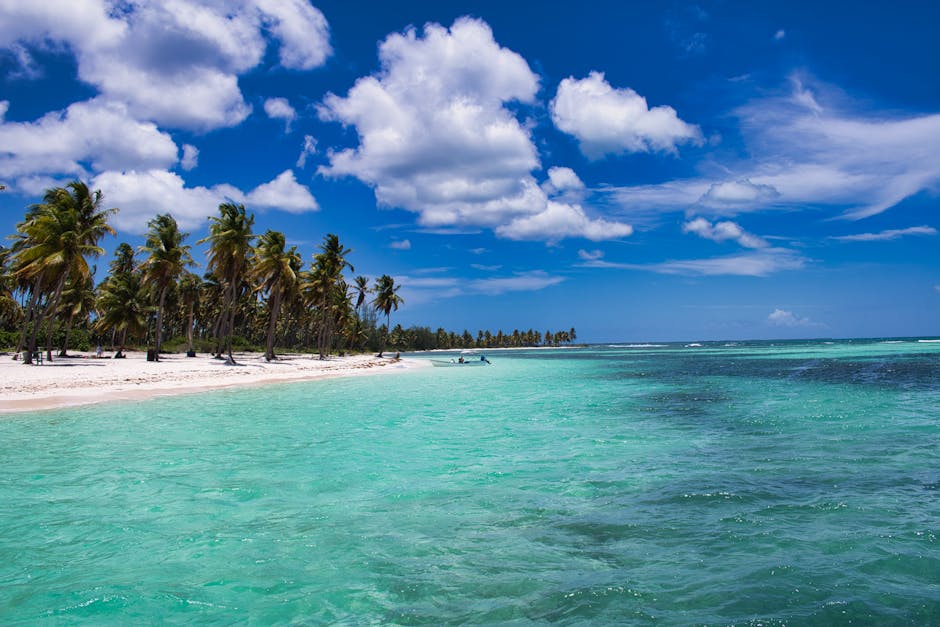
You stand at the luggage carousel at Luis Muñoz Marín International Airport, watching the first few suitcases slide onto the belt. The air-conditioned chill of the terminal is already losing the battle against the tropical humidity seeping in through the sliding glass doors. Outside, the sound of the city is a chaotic mix of reggaeton from passing cars and the distant rhythmic chirp of the coquí frog. You have a rental car reservation and a vague plan, but the island is larger than it looks on a map, and the terrain is deceptively rugged. Choosing where to spend your limited hours is the difference between a vacation that feels like a logistical marathon and one that captures the actual spirit of the archipelago.
Comparing Old San Juan and the Modern San Juan Districts
Most travelers begin their journey in the capital, but the city is a collection of distinct micro-neighborhoods that offer wildly different experiences. Old San Juan (Viejo San Juan) is the historical epicenter, characterized by its blue cobblestone streets and 16th-century Spanish colonial architecture. It is walkable, photogenic, and undeniably touristy. The primary draw here is the San Juan National Historic Site, which includes the massive fortifications of Castillo San Felipe del Morro and Castillo San Cristóbal. Entry is approximately $10 per person, and the pass is valid for both forts for 24 hours. The trade-off for the charm of the old city is the noise; staying in a colonial-era Airbnb often means contending with thin walls and the echo of late-night revelry on Calle San Sebastián.
Santurce and Condado: The Urban Alternative
If you prefer a more contemporary pulse, Santurce is the island’s cultural engine. It is home to the Museo de Arte de Puerto Rico and the vibrant street art of Calle Cerra. This is where you find the best gastronomic experiences that aren’t tailored specifically for cruise ship passengers. Nearby, Condado offers a high-end beach resort atmosphere. Hotels like La Concha Renaissance San Juan Resort (averaging $450 per night) provide direct beach access and infinity pools, but the ocean here has a notoriously strong undertow. It is a place for seeing and being seen, rather than for quiet reflection or safe swimming.
- Old San Juan: Best for history, photography, and boutique stays like Hotel El Convento ($350+).
- Santurce: Best for nightlife at La Placita and local art galleries.
- Condado: Best for luxury amenities and proximity to high-end shopping.
Navigating El Yunque National Forest Logistics and Trails

El Yunque is the only tropical rainforest in the U.S. National Forest System, and it remains one of the most popular destinations on the island. However, visiting is no longer as simple as driving up the mountain. Since the 2017 hurricanes and subsequent management changes, the forest often requires advanced reservations through Recreation.gov. These tickets are released in windows (often 24 hours in advance), and they disappear within minutes. If you fail to secure a booking, your only option is to join a commercial tour, which can cost upwards of $100 per person, or visit the less-regulated areas on the forest’s perimeter, such as the Angelito Trail.
Key Trails and Waterfalls
For those who do secure entry, the La Mina Trail—traditionally the most popular route to a waterfall—has faced long-term closures for repairs. In its absence, the Juan Diego Falls have become the primary destination for hikers seeking a swim. The hike is short but can be muddy and slippery. For a more strenuous experience, the Mount Britton Tower trail offers a steep climb through the cloud forest, ending at a stone tower with panoramic views of the Atlantic and Caribbean coasts. The air at the summit is significantly cooler, providing a rare respite from the coastal heat. Wear sturdy hiking shoes; the volcanic rock becomes incredibly slick when wet, which is almost always.
Pro tip: Arrive at the forest gate at least 30 minutes before your reservation window. The rangers are strict about entry times, and the winding roads can take longer to navigate than GPS estimates suggest.
The Bioluminescent Bay Debate: Vieques vs. Fajardo vs. Lajas
Puerto Rico is home to three of the world’s five bioluminescent bays, but they are not created equal. The phenomenon is caused by Dinoflagellates, microscopic organisms that emit a blue-green glow when disturbed. The intensity of this glow depends on several factors: water temperature, nutrient levels, and, most importantly, the phase of the moon. If you visit during a full moon, the natural light will wash out the bioluminescence, making the experience underwhelming regardless of which bay you choose.
| Location | Brightness Level | Accessibility | Estimated Cost |
|---|---|---|---|
| Mosquito Bay (Vieques) | Highest | Difficult (Requires ferry/flight) | $60 – $120 |
| Laguna Grande (Fajardo) | Moderate | Easy (Drive from San Juan) | $50 – $75 |
| La Parguera (Lajas) | Lower | Moderate (South Coast) | $40 – $60 |
Why Mosquito Bay Wins
Mosquito Bay on the island of Vieques is widely considered the brightest bioluminescent bay in the world. Because Vieques is an offshore island with limited development, there is very little light pollution to compete with the water. Tours here are strictly regulated; you will likely be in a clear-bottom kayak. The downside is the logistics. To see it properly, you must stay overnight on Vieques, as the last ferry back to the main island departs long before dark. Fajardo’s Laguna Grande is the most convenient for those staying in San Juan, but the “glow” often looks more like faint sparkles due to higher light pollution and boat traffic.
Culebra and Vieques: Selecting the Right Offshore Island
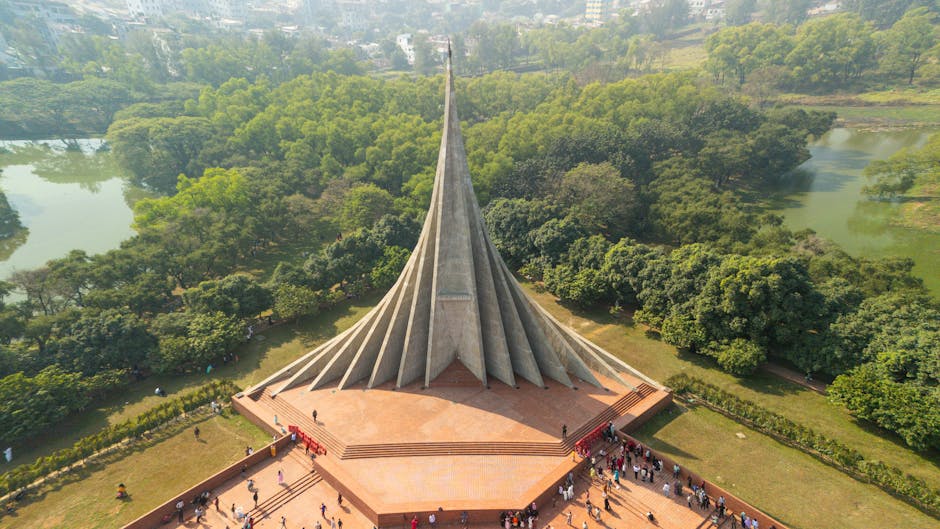
The islands of Culebra and Vieques, often called the Spanish Virgin Islands, offer a slower pace of life. Culebra is the smaller of the two and is world-famous for Flamenco Beach. The beach is a crescent of white sand and turquoise water, framed by rusting Sherman tanks—a relic of the U.S. Navy’s former presence. There are no luxury resorts on Culebra; the accommodations are primarily modest guesthouses and villas. It is a destination for people who want to snorkel at Carlos Rosario Beach and then eat a grouper sandwich at a roadside kiosk.
The Wild Character of Vieques
Vieques is larger and feels more rugged. It is famous for its population of free-roaming horses that wander the beaches and streets. The island has a more developed tourism infrastructure than Culebra, including the stylish El Blok hotel (approx. $250/night) in the town of Esperanza. The beaches in the Vieques National Wildlife Refuge, like Caracas and La Chiva, are pristine and often empty. The trade-off here is the size; you absolutely need to rent a Jeep or a golf cart to get around, and these rentals are expensive and book up months in advance. The ferry from Ceiba is the most economical way to reach both islands ($2.25 each way), but the system is prone to delays and cancellations. Taking a small plane from Isla Grande or SJU is more reliable but costs roughly $100–$160 round trip.
Rincón and the West Coast Surf Culture
The west coast, or Porta del Sol, is the antithesis of the San Juan metro area. Rincón is the heart of this region, a town that gained international fame during the 1968 World Surfing Championship. The vibe here is decidedly laid-back, influenced by a mix of local residents and American expats. During the winter months (November through March), the North Atlantic swells bring massive waves to beaches like Tres Palmas and Domes. If you are not a surfer, the town still offers some of the best sunsets on the island and a thriving Thursday night Art Walk.
Exploring Aguadilla and Cabo Rojo
Just north of Rincón is Aguadilla, home to Crash Boat Beach. This spot is famous for its brightly painted fishing boats and excellent pier jumping. It is a social beach, often packed with families, music, and food vendors selling alcapurrias. Conversely, if you head south to Cabo Rojo, you find the Los Morrillos Lighthouse and the dramatic limestone cliffs that drop into the Caribbean Sea. The nearby “Pink Salt Flats” (Las Salinas) offer a surreal landscape for photography, though the intensity of the pink hue varies depending on the salinity and algae levels. The west coast requires a car and a willingness to navigate narrow, winding roads, but the reward is a more authentic, less manicured version of Puerto Rico.
The Central Cordillera: Coffee, Mountains, and Adventure
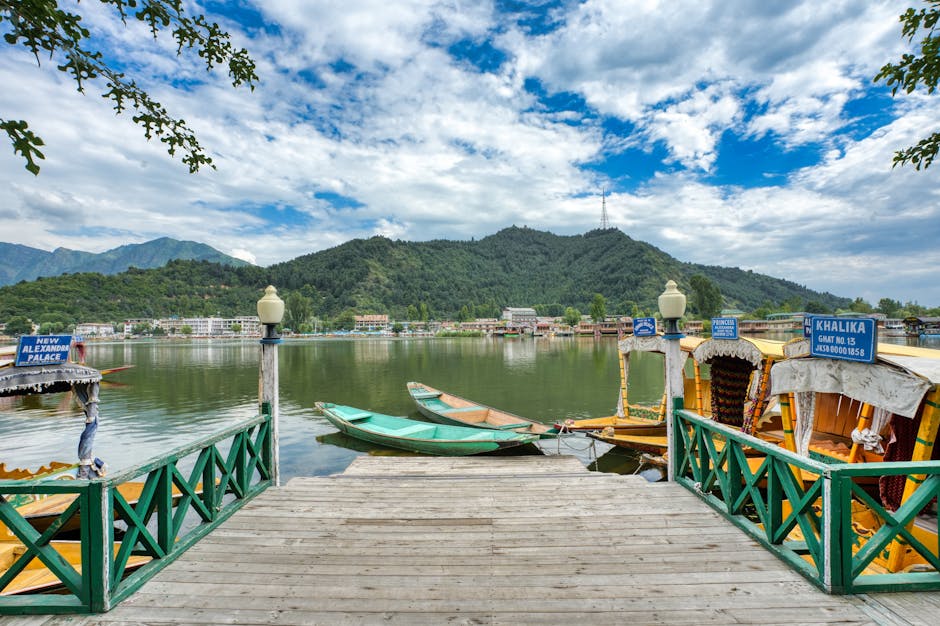
Few travelers venture into the island’s interior, which is a mistake for anyone interested in history or high-adrenaline sports. The Central Cordillera is the mountain range that runs like a spine through the middle of Puerto Rico. This is the heart of the coffee region. In towns like Jayuya and Adjuntas, you can visit working coffee haciendas. Hacienda Pomarrosa offers guided tours that explain the process from bean to cup, providing a deep dive into the industry that once dominated the island’s economy. The temperature in the mountains is often ten degrees cooler than on the coast, and the landscape is dominated by steep peaks and deep valleys.
Toro Verde Adventure Park
For those seeking something more active, Orocovis is home to Toro Verde Adventure Park. This facility features “The Monster,” one of the longest ziplines in the world, stretching over 1.5 miles. A day pass for the major ziplines will cost around $150. It is a professional operation, but not for those with a fear of heights. The drive to Orocovis is an adventure in itself, involving hairpin turns on the Ruta Panorámica. Along the way, you should stop at a lechonera (a restaurant specializing in slow-roasted pork). The town of Guavate is the most famous destination for this, where entire hillsides are dedicated to the craft of lechón asado. It is a sensory experience of smoke, music, and some of the best culinary traditions the island has to offer.
- Hacienda Pomarrosa: $25-$40 for tours; reservations required.
- Toro Verde: Best for adrenaline seekers; book at least two weeks out.
- Guavate: Best visited on a Sunday for the full festive atmosphere.
Puerto Rico is a place of intense contrasts. You can spend the morning in a 500-year-old fortress and the afternoon ziplining over a jungle canopy. The best approach is to pick two regions—perhaps San Juan and the West Coast, or the East Coast and the offshore islands—rather than trying to see it all. The infrastructure is generally good, but the island operates on its own schedule. If you embrace the occasional delay and the humidity, you will find that the best places are often the ones you stumbled upon while looking for something else.