
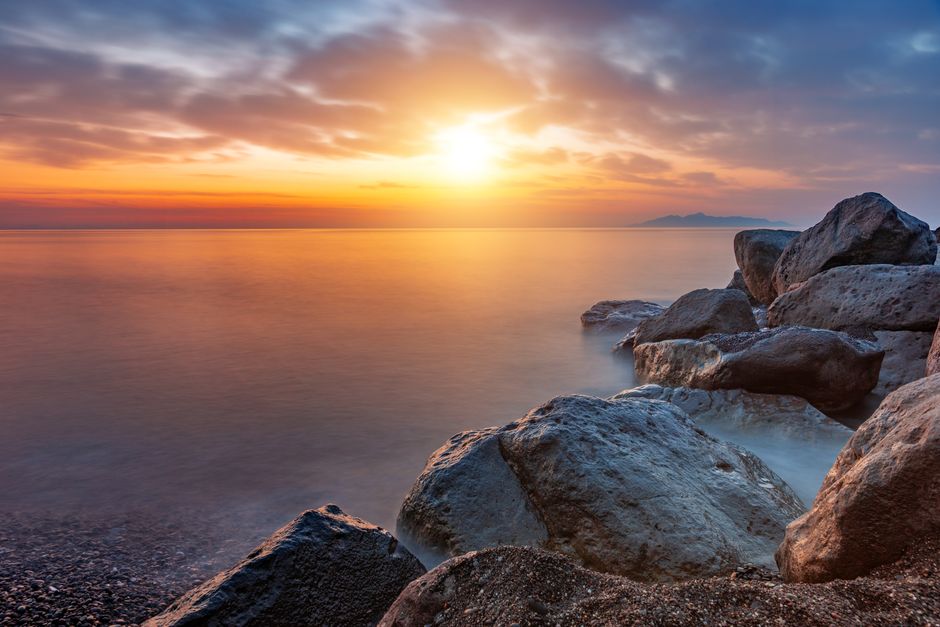
The most common misconception about Santorini is that the entire island looks like the Oia sunset photos on Instagram. It doesn’t. Most of the island is flat, dry farmland growing fava beans and cherry tomatoes. The caldera cliff towns — Oia, Fira, Imerovigli — make up maybe 5% of the island’s land area. Everyone crams into that 5%. That’s the real problem, and it’s why so many travelers leave feeling scammed.
I’ve spent parts of every summer on Santorini since 2019, helping family run a small guesthouse near Pyrgos. I’ve watched the crowds shift, the prices climb, and the cruise ship schedules reshape daily life. The island isn’t overrated as a place. It’s overrated as a default choice for travelers who haven’t thought about when and where they’re going.
This article is a local’s reality check. No product links. No affiliate nonsense. Just what actually works in 2026 if you insist on coming here.
What Locals Actually Mean When They Say Santorini Is Overrated
Ask a Santorini local if the island is overrated and you’ll get a shrug. The island itself — the volcanic caldera, the cliffside villages, the light at 7pm — is genuinely stunning. What locals complain about is the compression problem. Too many people, too few hours, too small an area.
Here’s the math that matters. On a peak summer day in July 2026, Santorini receives between 12,000 and 17,000 cruise passengers. Most of them arrive between 8am and 4pm. Almost all of them head to Oia or Fira. Oia has a permanent population of around 1,500 people. The village physically cannot absorb that many bodies. The narrow marble paths turn into human traffic jams. The famous blue domes have queues of 40+ people waiting for a photo.
So when a traveler says “Santorini is overrated,” they usually mean: “I visited in August, stayed in Oia, paid €300 for dinner, and spent my day shoulder-to-shoulder with strangers.” That’s not the island. That’s a scheduling failure.
The island’s actual failure is that it has done almost nothing to manage this. Other overtouristed destinations — Venice, Dubrovnik, Amsterdam — have implemented day-tripper taxes, cruise limits, or booking systems. Santorini in 2026 still relies on a voluntary berth management system that the cruise lines mostly ignore. The municipality talks about a daily visitor cap. It hasn’t happened.
Month-by-Month Reality Check: When Santorini Still Works
Most disappointment comes from bad timing, not bad destination. Here’s the honest monthly breakdown for 2026.
| Month | Crowd Level | Weather | Local Verdict |
|---|---|---|---|
| January–February | Very low | Cold, windy, rain possible | Skip it. Many hotels and restaurants closed. |
| March–April | Low | Mild, some rain | Good for hiking and photography. Limited nightlife. |
| May | Moderate | Warm, sea still cool | Sweet spot. Everything open, no cruise chaos yet. |
| June | High | Hot, sunny | Still manageable if you avoid Oia 10am–4pm. |
| July–August | Extreme | Very hot, meltemi winds | Only come if you love crowds and high prices. |
| September | Moderate–High | Warm, sea at its warmest | Best month overall. Crowds drop after first week. |
| October | Low–Moderate | Mild, occasional rain | Great value. Some places start closing late month. |
| November–December | Very low | Cool, unpredictable | Only for budget travelers who don’t need beaches. |
My honest take: late September through mid-October is the best window. The sea is still warm from summer, the cruise schedule thins out, and hotel prices drop 30–50% from August peaks. You still get the caldera views without the human wall.
May is the second-best choice. Everything reopens after winter, wildflowers cover the hillsides, and the sunset in Oia is actually enjoyable before the June cruise surge hits.
The Cruise Ship Problem No One Fixes
Here’s the thing about Santorini that most travel guides gloss over. The island’s daily experience is completely dictated by the cruise schedule. You can check it. There are public websites that list which ships dock at the old port below Fira each day. Locals check it the way people in other cities check weather forecasts.
When three or four large ships dock on the same morning, the cable car line in Fira can take 90 minutes. The donkeys — and yes, they’re still used, despite years of animal welfare campaigns — get overworked. The narrow path from the old port up to Fira becomes a bottleneck of sweaty tourists and donkey dung.
The failure mode here is treating Santorini like a normal island where you can just “wander and see what happens.” You can’t. Not during peak season. You need to know the ship schedule and plan around it. If four ships are in port, stay away from Fira and Oia entirely. Go to the southern beaches, the Akrotiri archaeological site, or the inland villages like Pyrgos and Megalochori. They’re empty even on the worst cruise days.
The other failure mode is trying to do Santorini as a day trip. If you come by ferry from Crete or Naxos for one day, you’ll spend most of that day in transit and queues. Santorini needs at least two nights to make sense. Three is better. The island transforms after the day-trippers leave at 5pm.
Oia vs. Fira vs. The Rest of the Island
If you stay in Oia, you’re paying a premium for the privilege of being trapped in a postcard. That’s my blunt take. Oia is beautiful at 7am and unbearable at 5pm. The sunset viewing area near the old castle fills up by 4pm in peak season. People stand there for two hours in direct sun to watch a sunset they could see from anywhere on the caldera rim.
Fira is more practical. It’s the island’s transport hub, with the main bus station connecting to beaches and villages. It has more restaurants that locals actually eat at. But it’s also where the cable car drops cruise passengers, so it gets hammered midday.
The actual move is to stay outside the caldera cliff. Pyrgos, Megalochori, and Exo Gonia are inland villages with real local life, cheaper tavernas, and no cruise crowds. You can still reach the caldera in 10–15 minutes by car or ATV. A rental car in 2026 costs around €45–60 per day in peak season. An ATV costs €35–50. Both are worth it if you’re staying inland.
For a caldera view without the Oia circus, Imerovigli is the answer. It sits between Fira and Oia, has the same cliffside architecture, but gets a fraction of the crowds. Prices are lower than Oia but still premium. The Skaros Rock hike starts there and is one of the best free activities on the island.
What Actually Costs Too Much in 2026
Santorini is expensive. That’s not news. But some costs are fair and some are pure extraction.
A caldera-view hotel room in Oia in August 2026 runs €400–800 per night for a basic double. The same room in late September drops to €200–400. Inland villages offer rooms for €80–150 even in high season. The view tax is real, and you pay it with every night you sleep on the cliff.
Restaurants on the caldera edge charge €25–40 for a main course. Walk three streets back from the cliff and the same dish costs €12–18. The food is often better inland because those restaurants survive on repeat local customers, not one-time tourist visits.
Sunset cocktails in Oia run €18–25. A beer at a beach taverna in Perissa costs €4–5. You’re paying for the view, not the drink. That’s fine if you know that’s the deal. The problem is when travelers think the €25 cocktail is a normal Greek price and conclude the whole island is a ripoff.
The one cost that genuinely annoys locals is the sunset surcharge. Some Oia restaurants add 10–15% to bills during sunset hours. It’s not illegal, but it’s not advertised either. Ask before you sit down.
What Still Makes Santorini Worth It
If you’ve read this far, you might think I’m telling you to skip Santorini. I’m not. I’m telling you to stop visiting it wrong.
The caldera is a geological wonder. You’re standing on the rim of a volcano that erupted around 1600 BCE and may have contributed to the collapse of the Minoan civilization. The Akrotiri archaeological site preserves a Bronze Age city buried in ash. It’s open year-round, costs €16, and is empty compared to Oia. Most visitors never go.
The hiking trail from Fira to Oia along the caldera rim is 10 kilometers of genuinely world-class scenery. Start at 7am and you’ll have it mostly to yourself. Start at noon and you’ll hate every step.
The beaches are weird and wonderful. Red Beach near Akrotiri is a strip of rust-colored sand under volcanic cliffs. Perissa and Kamari have black sand that gets hot enough to burn bare feet in July. Vlychada has a lunar landscape feel with its white cliffs. None of these are Caribbean beaches. They’re volcanic and strange, and that’s the point.
The wine is seriously underrated. Santorini’s Assyrtiko grapes grow in basket-shaped vines on volcanic soil. The resulting white wines are mineral, saline, and unlike anything from mainland Greece. Wineries like Santo Wines, Venetsanos, and Gavalas do tastings with caldera views. A tasting costs €15–30 and beats a €25 sunset cocktail every time.
Seven Rules for Not Hating Santorini
- Check the cruise schedule before you plan any day. If more than two ships are in port, avoid Fira and Oia between 9am and 5pm.
- Stay at least two nights. Day trips are the fastest way to hate this island.
- Stay inland or in Imerovigli. Save the Oia premium for a single sunset visit, not your whole stay.
- Rent wheels. The bus system works but wastes hours. A car or ATV gives you freedom from the crowds.
- Eat three streets back from any cliff. Your wallet and your taste buds will thank you.
- Do the Fira–Oia hike at sunrise. It’s free, it’s stunning, and you’ll have it almost to yourself.
- Visit Akrotiri. The island’s most important historical site is also its most under-visited.
Santorini isn’t overrated — it’s just badly marketed as a luxury Instagram backdrop when its real value lies in its geology, its wine, and its quieter corners.