
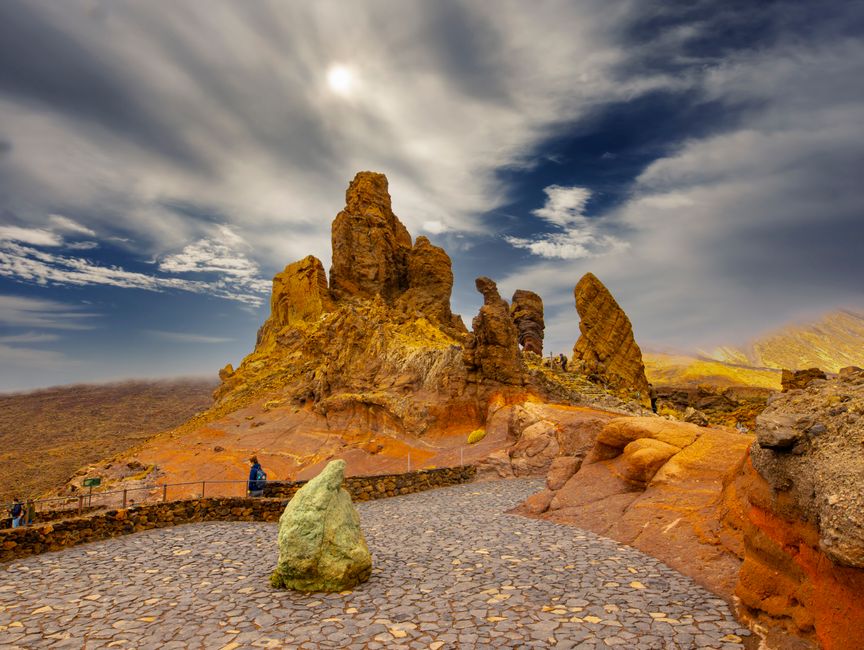
My recommendation is simple: stay on the sunnier south coast, keep one flexible day for Teide, and use January for walking rather than chasing beach heat. Tenerife is at its best when you treat the island as several climates joined by steep roads. The coast can feel like spring, Anaga can be damp and cool, and Teide can look and behave like winter above 2,000 metres.
January is a strong month for an active Tenerife trip. The island’s official climate figures give January an average temperature of 18.2°C, around 178 hours of sunshine and 32 mm of average rainfall. Those figures describe a low coastal station, not the summit of Teide, so pack for both ends of the island. The plan below is the one I would use for a first visit: sun on the coast, a properly chosen walk, and a mountain day that can move if the weather turns.
Why Tenerife in January works better than a summer beach trip
The coast stays mild while the mountains change completely
January solves a useful travel problem: you can walk for several hours without the punishing heat that makes exposed volcanic routes unpleasant in July. The south, around Los Cristianos, Costa Adeje and El Médano, is usually the safer bet for bright weather. The north is greener and more atmospheric, but the trade winds bring cloud and dampness to higher ground. That contrast is not a flaw. It lets you choose the right side of the island each morning.
Use the south for an easy start, a sea swim if conditions allow, and late-afternoon light. Move north for laurel forest, old towns and more dramatic walking conditions. The official tourism climate data describes this north-south split clearly: the south is drier and sunnier, while the north receives more moisture and has greener uplands. Check the official Tenerife climate figures before you commit to a route.
The right January packing list is small but specific
Bring walking shoes with a firm sole, a light waterproof jacket, a fleece, sunglasses, sunscreen and a hat. Add a warm layer, gloves and long trousers for Teide, even if you leave the hotel in a T-shirt. A small daypack matters more than a large suitcase because the useful difference between a comfortable day and a miserable one is often one dry layer and enough water.
Do not pack for one island-wide forecast. Pack for a 20°C promenade, a wet forest path and freezing wind at altitude. That is the real reason January works here: the temperature range creates options instead of forcing every day into the same beach routine.
How to choose the sunny side of Tenerife each day
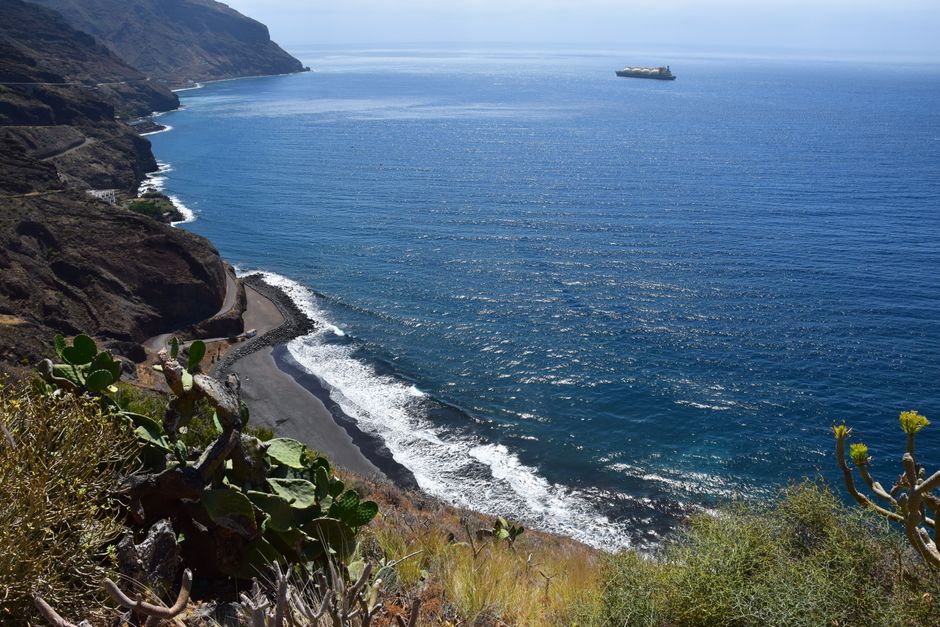
When should you choose the south?
Choose the south when your priority is reliable outdoor time, especially after rain has reached the north. Los Cristianos, Playa de las Américas, Costa Adeje and El Médano give you easy access to promenades, beaches and open coastal scenery. The south is also the practical base for a Teide day from the TF-21 or TF-38 approach. It is drier, more built-up and less peaceful than the north, but January visitors usually value the dependable light.
When is the north the better choice?
Choose Puerto de la Cruz, La Orotava, Garachico or La Laguna when you want greenery, old architecture and cloud-wrapped hills. Accept that a northern morning can be grey while the south is bright. That is normal island weather, not a failed holiday. The best move is to check webcams and the forecast at breakfast, then drive toward the conditions you actually want. A north-south day trip is possible, but do not confuse possible with efficient: the official distance table places Puerto de la Cruz 81 km from Los Cristianos and 53 km from Los Gigantes, before traffic, winding roads and stops. I prefer two bases for a longer stay rather than spending every day crossing the island.
My verdict: base in the south for a short winter break, and choose the north for atmosphere if you have at least five nights. That choice gives you more usable walking weather and less time spent in transit.
The best coastal walks for January conditions
Use this three-level walking plan
- Easy: follow the paved or compact coastal paths around Costa Adeje, Los Cristianos or El Médano. Start early, carry water, and use these routes when the forecast is unsettled.
- Moderate: walk sections around Garachico, Buenavista del Norte or the viewpoints near Los Gigantes. Expect uneven volcanic ground, sharp exposure and fewer services.
- Demanding: explore Anaga or Teno only after checking the route, transport and return plan. Anaga’s long Albergue de Anaga–Igueste–Taganana circuit is listed at 31.4 km with 4,900 m of total elevation change, so it is a serious mountain day, not a casual coastal stroll.
Pick scenery before distance
For cliffs, choose Los Gigantes. The official tourism information gives the cliffs heights of up to about 600 metres above the sea, and the scale is best understood from a viewpoint or boat rather than a rushed walk along a road. For forest and village scenery, choose Anaga. For a relaxed shoreline day, stay near the southern resorts and walk in short sections, stopping for food instead of turning the outing into an endurance test.
January brings lower sun, occasional wet rock and stronger wind on exposed headlands. Wear shoes with grip, keep away from cliff edges and turn around before the light fades. The best coastal walk is the one that leaves enough energy for dinner, not the one with the highest number on your phone.
What goes wrong on a January Tenerife trip
Will one pair of shoes and a beach forecast be enough?
No. Smooth trainers become a poor choice on wet volcanic rock, and beach temperatures tell you almost nothing about Teide. The most common packing mistake is bringing several light tops but no waterproof layer or warm fleece. The second is assuming a sunny hotel balcony means every trail is dry. Anaga, Teno and high Teide can have completely different conditions on the same day.
Can you fit the whole island into one day?
You can drive across it, but you will not experience it well. Long island crossings turn a walking holiday into a car-seat holiday, especially when the route includes steep roads and slow sections behind buses. Do not schedule Anaga, Teide and Los Gigantes on consecutive days without a rest option. Do not arrive at the cable-car base after lunch and expect a relaxed visit: winter daylight and the last ascent time are fixed.
Another mistake is treating a ticket as a guarantee of access. Check the park’s live warnings, road status and trail restrictions on Tenerife ON before leaving. Snow, ice, wind and maintenance can change the plan. Carry water, keep your phone charged and tell someone your route if you choose a remote trail. For a short holiday, a cancelled mountain walk is frustrating; an avoidable rescue situation is much worse.
My rule is to build every outdoor day around a safe fallback: a coastal promenade, a historic town, a viewpoint reached by road or a shorter walk. Flexibility is not wasted planning in Tenerife. It is what lets the island’s microclimates work in your favour.
A practical seven-day January itinerary
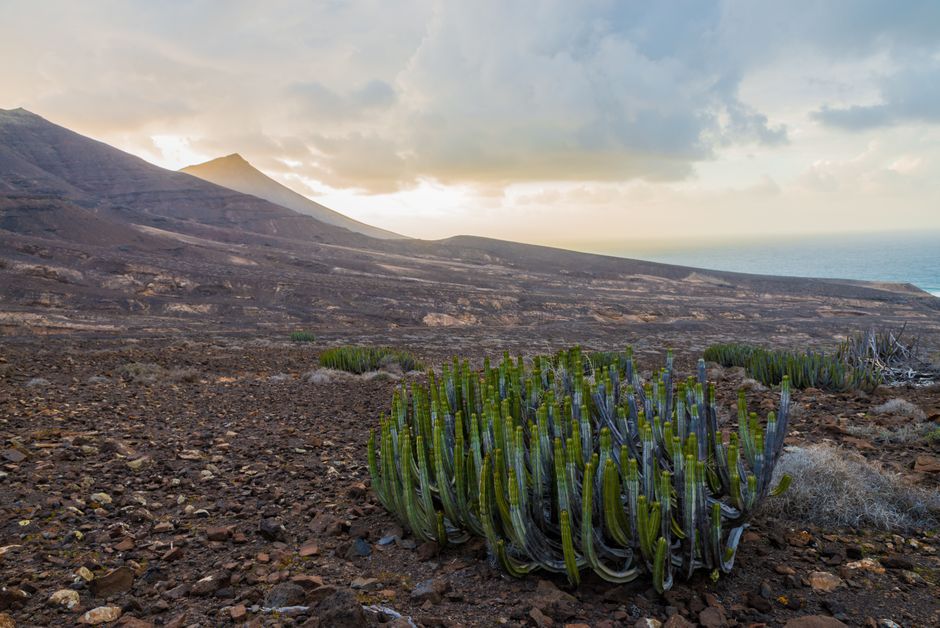
Use the first three days to learn the island
Start with a south-coast day so you can recover from travel and judge the weather. Walk a short section near Costa Adeje or Los Cristianos, then keep the afternoon open. On day two, choose either Garachico and the northwest coast or Puerto de la Cruz and La Orotava. The north gives you more greenery and historic character, but keep a jacket in the car. On day three, take a coastal walk in Los Gigantes or a shorter Anaga route if the forecast is dry and the roads are comfortable.
Keep Teide flexible and budget transport honestly
Put Teide on day four or five, depending on cloud and wind. If you are not hiring a car, the TITSA ten+ day travel card is listed at €10 for 24 hours, plus a €2 card cost, and covers unlimited bus and tram travel across the island. It is useful for urban and regional travel, but it does not replace a well-planned Teide excursion because mountain connections take longer and may not align with cable-car sessions.
| Day | Plan | January adjustment |
|---|---|---|
| 1 | South-coast promenade and beach time | Stay low if the flight arrives late |
| 2 | La Orotava, Puerto de la Cruz or Garachico | Choose the north only if cloud and rain are manageable |
| 3 | Los Gigantes or an easy coastal walk | Use the coast if mountain paths are wet |
| 4 | Teide National Park | Take the cable car only if wind and access are confirmed |
| 5 | Anaga or Teno walking day | Shorten the route if the ground is slippery |
| 6 | Free weather day | Repeat the best coast or mountain view |
| 7 | Short local walk and departure | Keep the final route close to your base |
This itinerary works because it separates the island’s experiences instead of forcing them into one heroic drive. Leave one uncommitted day and Tenerife in January becomes much easier to read: follow the sun at sea level, move uphill when the summit is clear, and let the landscape decide the order.