
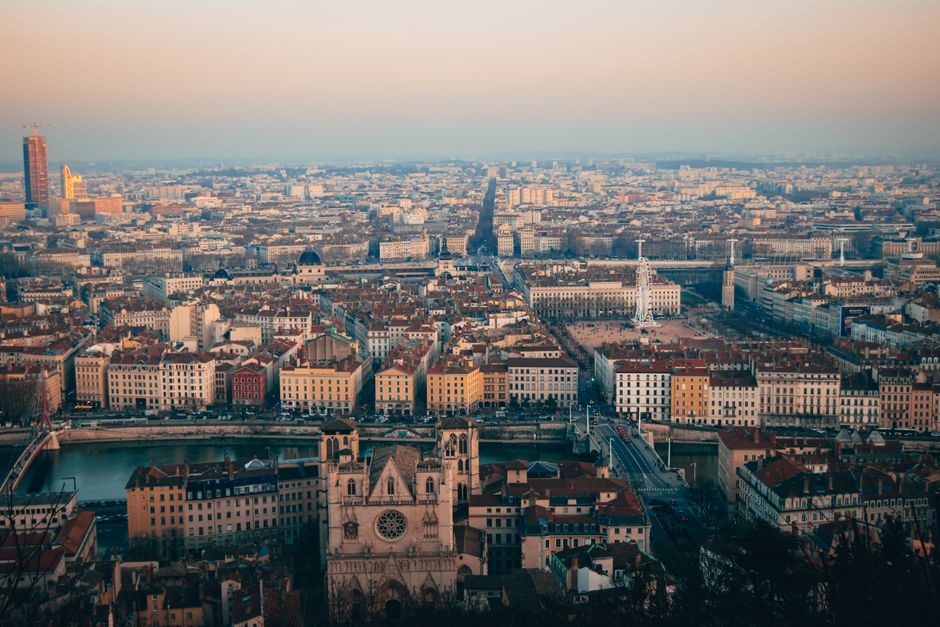
January brings the shortest daylight of the year to most European cities, yet it can produce the calmest weekend of the travel calendar. Streets empty earlier, museums feel easier to enter, and a two-night stay can cost far less than the same trip in May. The trick is choosing a city with enough indoor life, reliable transport, and a plan that still works when rain replaces the view.
Why January City Breaks Feel Quieter—and Where They Do Not
Low season does not mean every European destination becomes peaceful. Some cities stay busy because they attract year-round business travel, winter festivals, or major events. Others become almost too quiet, with reduced restaurant hours and attractions closing on weekdays. The best January weekend sits between those extremes.
Look for indoor density
A good winter city packs several useful experiences into a walkable centre. Museums, food halls, historic churches, covered markets, galleries, cafés, and public baths matter more than a long list of outdoor viewpoints. Porto, Bologna, Ljubljana, Valencia, and Vienna all work well because a cold or wet afternoon does not force you back to the hotel. You can move from one indoor stop to another without spending an hour on a bus.
For a two-night trip, aim for three strong indoor anchors each day. One major museum, one food-focused stop, and one flexible place such as a bookshop, market, cinema, or thermal bath create enough structure without making the weekend feel like a race.
Separate quiet streets from closed businesses
Empty streets can look appealing in photographs, but they may signal a weak January choice. Search the opening hours of your top five places before booking. Check the weekly closing day for museums, the last kitchen service at restaurants, and the timetable for airport transfers. A city that remains lively on Friday and Saturday but slows on Sunday usually gives you the best balance.
The best quiet city is not the one with the fewest people. It is the one where low visitor numbers reduce queues without removing the services you came to use.
How to Choose a European City for a Quiet January Weekend
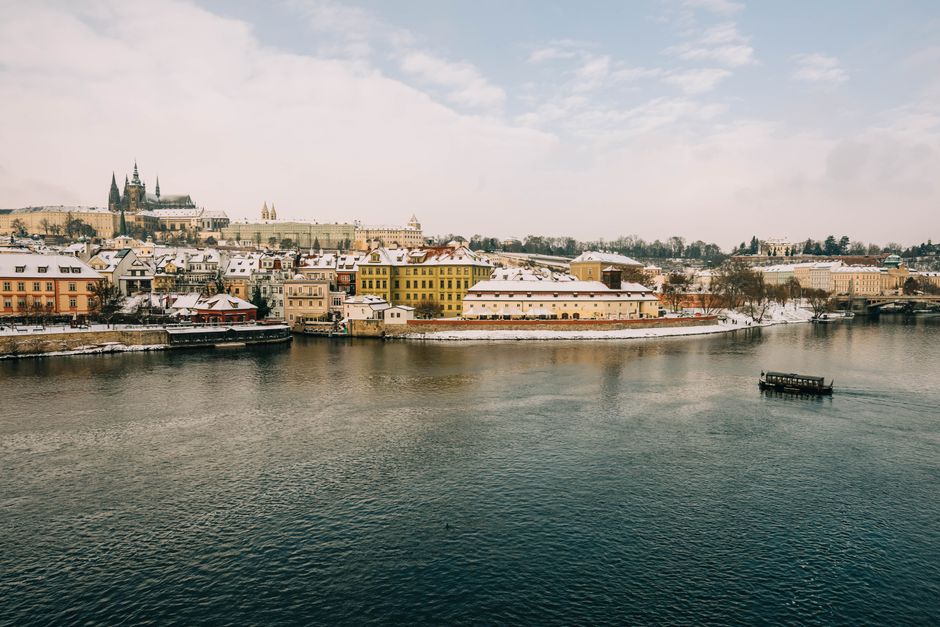
Start with the shape of the weekend, not a destination list. A short trip loses value quickly when the airport is far away, the main station sits outside town, or every worthwhile sight needs an advance reservation.
Use this five-point filter
- Keep the transfer under 60 minutes. Count the trip from the airport or station to the accommodation, not the flight time. A direct train into the centre beats a cheaper flight followed by two changes.
- Choose a compact first district. Your first afternoon should work on foot. This gives you a useful plan even if a delayed flight removes two hours from the day.
- Check January opening patterns. Find the weekly closing day for the main museum, market, or landmark. Put that stop on a day when it actually operates.
- Protect one weather-free block. Pick a museum quarter, covered market, food hall, or spa where you can spend at least three hours indoors.
- Test the Sunday problem. Confirm that cafés, supermarkets, museums, and public transport still operate on Sunday. Many small destinations become inconvenient on the final day.
Score the trip before booking
Give each candidate city a score from one to five for airport transfer, walkability, indoor attractions, Sunday opening, and food variety. Add one point for a direct rail connection from your home city and subtract one for any attraction you cannot visit without a timed ticket. A score of 20 or higher usually gives you a dependable weekend. A score below 16 means the city may still be beautiful, but it will demand more luck from the weather and opening hours.
For most first-time January travellers, Lisbon, Valencia, Bologna, and Ljubljana beat a spread-out capital. They offer enough culture for bad weather, but you can still cover the centre without building the entire trip around public transport.
Which European Routes Work Best for January Prices?
Transport can make a low-season weekend cheap or surprisingly expensive. Compare the complete journey, including airport transfers, baggage, station changes, and the cost of losing half a day. Published starting fares are limited and can disappear quickly, so use them as a planning reference rather than a promise.
Useful 2026 route benchmarks
Read the small print before chasing a bargain
The cheapest fare often has the strictest conditions. Eurostar’s lowest price can sell out, FrecciaYOUNG has age and route limits, and Nightjet pricing changes with capacity. A city pass also rewards a full schedule. If you plan one museum and two long lunches, pay-as-you-go tickets may cost less.
My clear transport rule is simple: book the route that gives you the most usable time in the city, then compare price. A £20 saving is not a saving if it adds three hours of transfers and a late arrival.
How to Build a Three-Day Plan That Survives January Weather
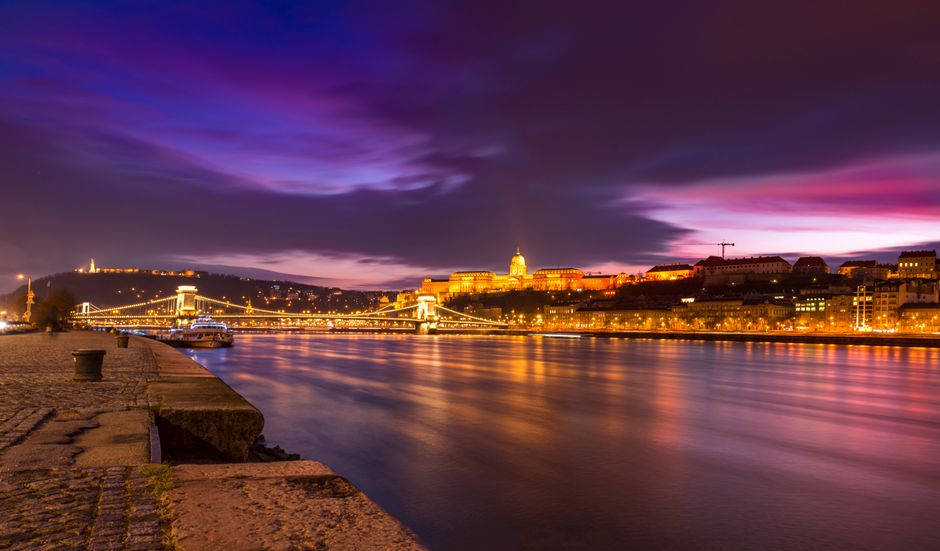
January itineraries fail when they depend on one perfect outdoor day. Build around fixed indoor anchors, then use daylight for short walks. This keeps the trip comfortable without turning it into a museum marathon.
Friday evening: arrive and stay local
- Book accommodation within 20 minutes of the main station or airport transfer.
- Choose a dinner neighbourhood with at least three independent restaurants, so one closure does not ruin the evening.
- Take a 45-minute orientation walk only if the weather is dry. Otherwise, use a market, wine bar, food hall, or hotel lounge.
Saturday: put the biggest ticket first
Start with the attraction most likely to sell out. In Paris, a Paris Museum Pass can make sense when you plan four or more included visits within 48 hours, but it does not replace timed-entry rules at every site. In Ljubljana, the Ljubljana Card combines more than 30 attractions with city transport, so it suits a compact sightseeing plan better than an unstructured weekend.
After lunch, choose one neighbourhood rather than crossing the city for another landmark. Winter light fades early, and repeated transit changes create more stress than value. Finish with a reservation at 7 p.m., not 9 p.m.; kitchens in smaller cities often close earlier in January.
Sunday: leave room for delays
Keep the final morning close to your departure point. Use a café, market, church, or small museum that does not require a timed slot. Pack before breakfast and leave at least 90 minutes for the station or airport transfer. The weather buffer is the difference between a relaxed weekend and a missed train.
January City Break Questions Worth Answering Before You Book
How many nights are enough?
Two nights work for a compact city with a direct transfer. Three nights are better for a capital, a destination with a distant airport, or a trip that includes a day tour. Avoid adding a second city unless the train journey takes less than 90 minutes and the connection is direct. Moving hotels eats the exact time a quiet weekend is meant to protect.
Where should you stay?
Stay near the central station, historic centre, or a neighbourhood with late-opening restaurants. In January, a beautiful apartment on the edge of town is less useful than a plain room five minutes from a warm café and a tram stop. Check heating reviews, lift access, and the distance to an open grocery shop. These details matter more in winter than a rooftop terrace.
What should you pack?
Bring waterproof shoes, a compact umbrella, thin layers, gloves, and a small power bank. Pack one outfit that works for a restaurant and one pair of shoes that can handle wet paving. A refillable bottle and a lightweight tote help with long museum days and covered markets. Keep your passport, tickets, and accommodation details in one accessible pocket so you are not searching through a damp bag at a station.
The winning January plan is modest: one city, one base, two strong indoor anchors per day, and enough empty space for the weather to change. That formula produces the calm weekend most travellers are actually seeking.