
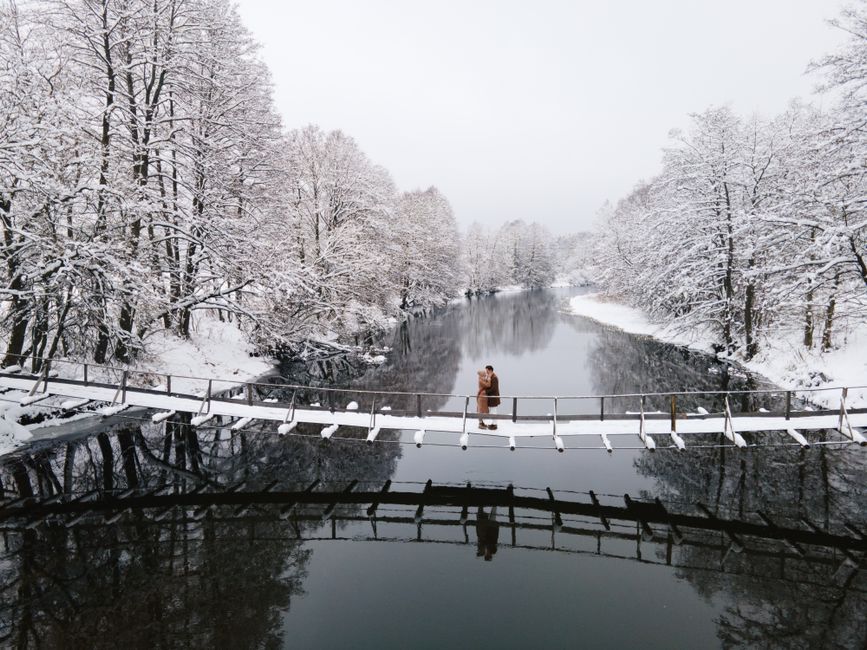
You do not need a ski pass to have a proper Alpine winter. The best ski-free trips combine one snowy walk, one warm thermal afternoon and a village where you can reach dinner on foot. That mix feels calmer than a resort holiday, but it still delivers mountain views, deep snow and a clear sense of place.
Choose a village base, not a giant ski resort
My clear recommendation: stay in Seefeld, Bad Hofgastein or Längenfeld instead of booking a large resort built around pistes. These bases give non-skiers better access to marked winter walks, local buses, cafés and thermal water. You spend less time staring at lift maps and more time outside.
Seefeld works best for a first trip. It sits on a high plateau, has groomed winter paths and offers easy rail access from Innsbruck. Bad Hofgastein is the strongest choice for a spa-led holiday, with the Gastein valley, mountain views and a compact village centre. Längenfeld suits travelers who want dramatic peaks and a serious thermal facility at Aqua Dome.
Pick one base for four nights. Moving hotels every day creates luggage work and often adds more travel than expected. A village at 900 to 1,200 metres usually gives a better balance than a remote high-altitude resort. It has snow, but also shops, restaurants and transport when the weather turns.
What makes a good ski-free base
Look for a railway station or dependable bus, a marked winter trail network, a grocery shop, at least three dinner options and a thermal spa within 30 minutes. A beautiful hamlet with no evening transport can become inconvenient after one snowy day.
The best base for each travel style
Choose Seefeld for easy logistics, Bad Hofgastein for thermal bathing and Längenfeld for a mountain-and-spa combination. Hallstatt is better for sightseeing than snowshoeing because winter footpaths can be limited and the village gets quiet early.
Build the trip around three winter days
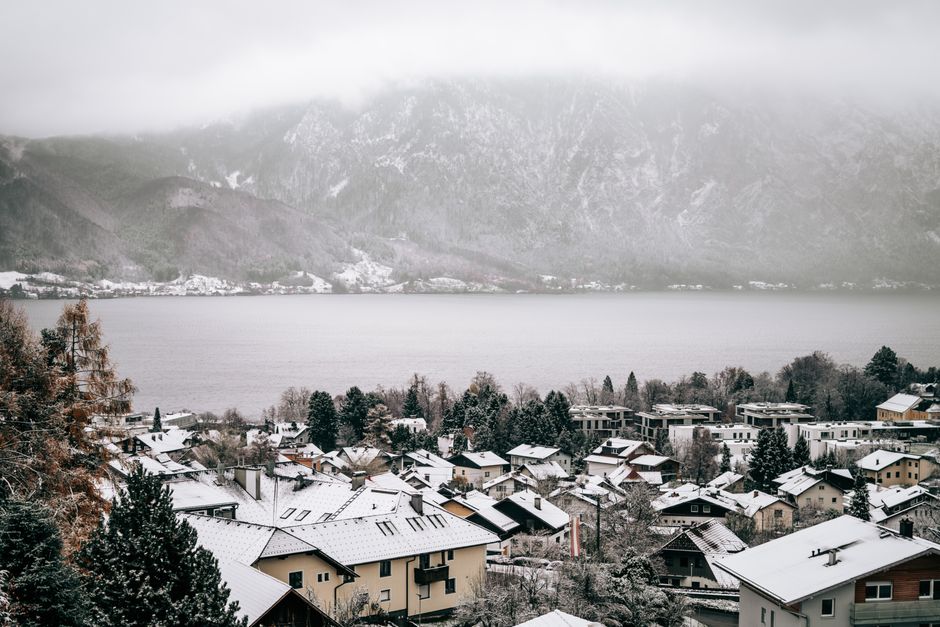
A ski-free Alpine holiday works better as a rhythm than as a checklist: walk, warm up, eat well, then explore a village. The table below gives a practical four-night structure. Times are planning estimates, not promises; snow, road conditions and local bus schedules can change them.
| Day | Base | Main activity | Typical travel or walking time |
|---|---|---|---|
| 1 | Seefeld | Arrive from Innsbruck and walk the village loop | About 30 minutes by regional train from Innsbruck |
| 2 | Seefeld | Marked snow walk toward Mösern, followed by a long lunch | 2 to 4 hours on prepared paths |
| 3 | Längenfeld | Transfer through Innsbruck and spend the afternoon at Aqua Dome | Roughly 2 hours by public transport, depending on connections |
| 4 | Längenfeld | Short valley walk, village dinner and another thermal session | 1.5 to 3 hours outside |
| 5 | Departure | Return by bus and train through Innsbruck | Allow a generous connection buffer |
This plan has one important advantage: it leaves space for bad weather. If cloud hides the peaks, the spa day still works. If snow conditions are excellent, shorten the spa visit and stay outside longer. Use ÖBB for the rail sections and check the final local bus timetable before leaving your hotel.
Why thermal spas work so well after cold-weather walking
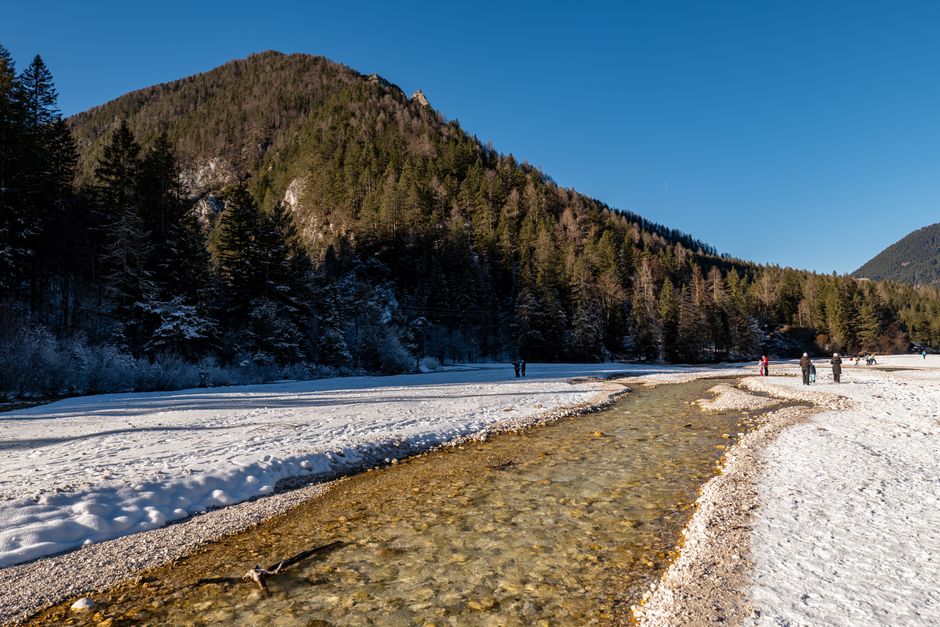
The appeal of a thermal spa is not just comfort. Cold-weather walking creates a simple physical problem: your body spends energy staying warm, your boots stay damp and your muscles work harder on uneven snow. A warm pool gives you a controlled recovery period before dinner. It also protects the structure of the day when wind or heavy snow makes another outdoor activity unpleasant.
Use the spa as a two-hour recovery block, not an all-day hiding place. Arrive with dry clothes, drink water before entering the pools and start with a warm pool rather than the hottest available sauna. Ten to fifteen minutes in warm water is enough to loosen tired legs. Leave the pool, cool down naturally and repeat only if you still feel comfortable.
Aqua Dome in Längenfeld is the best-known choice for travelers who want mountain scenery with a large thermal complex. Its outdoor pools make the classic Alpine contrast possible: warm water, cold air and snowy peaks. Alpentherme Gastein in Bad Hofgastein is the better match for a village-based trip because the spa sits close to the town centre. Erlebnis-Therme Amadé in Altenmarkt works well for families who want slides and indoor activity as well as quiet bathing.
When a thermal spa is the wrong choice
Skip the spa on the day you feel dehydrated, feverish or unusually exhausted. Hot water can make those problems worse. Also avoid booking a late evening session after a demanding walk if you still need a long bus journey back to your accommodation.
How to avoid the crowded-spa mistake
Book a weekday slot when possible, arrive close to opening time and avoid the hours immediately after ski lifts close. Check the sauna rules before buying a ticket because some areas require towels, separate admission or no swimwear.
Which Alpine villages are worth the detour?
Village choice should match the experience you want, not just the most famous photograph. A smaller village can feel more authentic, but it may offer fewer winter paths and limited evening transport. A larger resort may have better services but also more traffic, higher prices and a louder après-ski crowd.
Is Seefeld the easiest first trip?
Yes. Seefeld has a high, open setting, a walkable centre and straightforward connections from Innsbruck. It is the safest recommendation for travelers who want snow without renting a car. The tradeoff is that it feels polished and popular rather than hidden.
Is Bad Gastein better for architecture and views?
Bad Gastein is the stronger choice for dramatic scenery and historic buildings built into a steep valley. Bad Hofgastein is easier for a quiet, flat village routine. Pick Bad Gastein for atmosphere; pick Bad Hofgastein for simple walking and spa access.
Does Hallstatt make sense in winter?
Hallstatt is worth visiting for a day if the lake and village are part of your priorities. It is a weaker base for a snowshoe-focused trip because winter trail access can be limited and many visitors leave before evening. Pair it with a larger base rather than building the whole holiday around it.
The best overall match for a first ski-free trip is Seefeld. The best spa break is Bad Hofgastein. The best mountain-and-thermal combination is Längenfeld. Those are firm choices because each place solves a different planning problem.
Common mistakes that make a ski-free trip disappointing
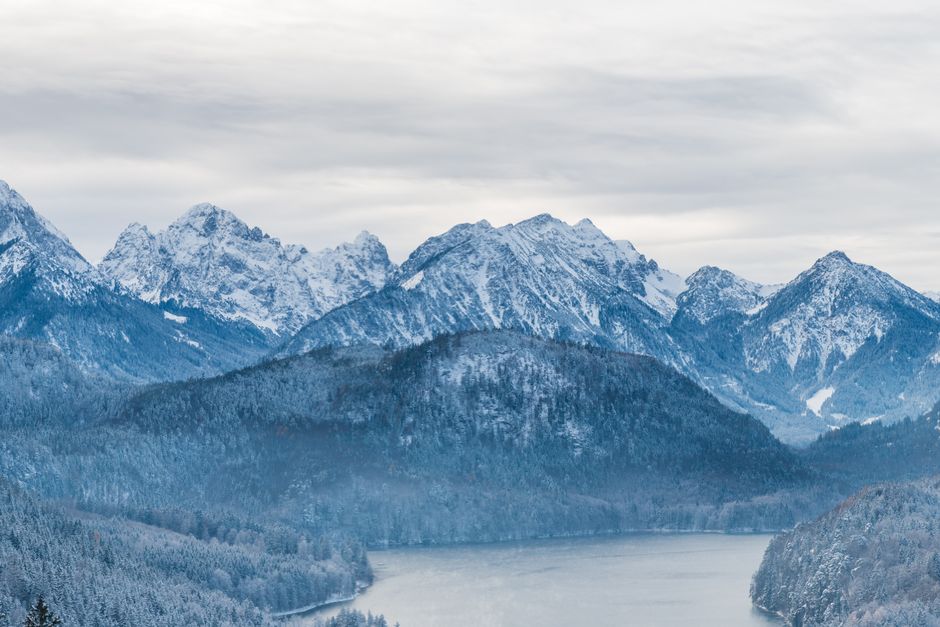
Most bad Alpine itineraries fail on logistics, not scenery. The mountains are usually the easy part. The harder task is planning a day that still works when a path closes, a bus is late or the weather hides every summit.
- Booking a slope-side hotel with no village access: Ski-in, ski-out features have little value if nobody in your party skis. Put your money into location, breakfast and a warm drying area.
- Assuming every white path is a snowshoe route: Some tracks cross private land, avalanche zones or groomed cross-country lanes. Follow signs and ask before leaving the marked route.
- Planning a long transfer after a full walk: A three-hour train and bus journey feels much longer in wet boots. Schedule travel for a lighter day.
- Underestimating daylight: A route that takes four hours in summer may take six in deep snow. Add a wide time buffer.
- Choosing a spa with no plan for dinner: Some thermal facilities sit outside town. Reserve a meal or confirm the last bus before entering the pools.
- Buying a lift pass out of habit: If you will not ski, snowboard or use mountain transport several times, the pass may be poor value. Pay for individual gondola rides only when a viewpoint or winter trail truly needs one.
Do not rent a car solely because the map looks complicated. Seefeld, Bad Hofgastein and Längenfeld can all work without driving if you accept slower connections and check the final bus times. Rent one only if you want to link remote valleys or change bases often.
A practical packing plan for snowy villages
Pack for wet, changing conditions rather than extreme cold alone. The most useful item is a dry spare layer because damp clothing ends a pleasant afternoon faster than low temperatures do.
Wear on the walking day
Use waterproof boots with a firm sole, wool or synthetic socks, base-layer trousers, a warm mid-layer and a shell that blocks wind. Add traction aids if the local route team recommends them. Snowshoes make sense on deep, soft trails; they are awkward on compact village paths, so rent them locally instead of carrying them through the whole trip.
Keep in the daypack
Carry water, a thermos, snacks, sunglasses, sunscreen, a small first-aid kit, a phone battery, a headlamp and a paper map or downloaded offline map. Keep gloves and spare socks inside a waterproof bag. A swimsuit and lightweight sandals should stay in a separate pouch for the thermal spa.
Pack for the village evening
One dry pair of trousers, comfortable shoes and a warm coat are enough. Alpine restaurants rarely require formal clothes. Pack less and leave room for wet gear to dry in your accommodation. This is a walking holiday with thermal bathing, not a ski wardrobe exercise.
With that setup, the trip stays simple: choose a walk that fits the daylight, warm up properly, and let the village provide the evening pace.