
Many travelers assume March 21 guarantees a perfect feathered-serpent shadow at Chichén Itzá. It does not. The light effect depends on the sun, clouds, viewing angle, crowd controls and the exact time you stand near El Castillo. March can still be one of the best months for Yucatán, but the trip works better when you treat the spring equinox as one possible highlight rather than the entire plan.
How hot is Yucatán in March, and what should you pack?
March usually brings bright skies, low rainfall and strong midday heat. Coastal and inland conditions differ, but daytime temperatures often reach 30 to 33°C, while early mornings can feel closer to 19 to 22°C. A ruin site gives you little shade. A cenote gives you water but not always a dry place to change.
Pack for heat, stone paths and wet clothes
- Wear lightweight clothing that covers your shoulders during long walks.
- Bring a wide-brimmed hat, sunglasses and at least 1 liter of water per person for a half-day ruin visit.
- Use reef-safe sunscreen for cenotes and apply it before entering the water; many sites ban lotion once you reach the pool.
- Carry sandals with a firm sole, not smooth flip-flops. Limestone paths become slippery near cenote entrances.
- Pack a small towel, dry change of clothes and a waterproof phone pouch.
- Keep cash in Mexican pesos. Smaller cenotes and roadside food stalls may not accept cards.
Plan around the sun, not just the opening hours
Start archaeological visits between 8:00 and 9:00 a.m. The first two hours offer softer light, cooler walking and fewer tour groups. Reserve the cenote for late morning or early afternoon, when the water feels refreshing and the sun can reach open-air pools. Drink before you feel thirsty. Headache, chills, dizziness and unusual tiredness signal that you should stop in shade, cool down and replace fluids.
Best packing rule: bring less gear, but make every item serve the heat, water or walking. A heavy backpack becomes a problem after two hours on exposed limestone.
Which Mayan ruins pair best with a cenote?
The best pairing depends on what you want the day to feel like. Chichén Itzá delivers scale and famous architecture, while Ek Balam offers closer access to detailed Maya sculpture. Uxmal rewards a slower architectural visit. Cenotes vary just as much: some feel like busy swimming parks, while others offer quiet, dark chambers and rough natural edges.
Use this comparison to choose the right day
| Ruins and cenote pairing | Typical travel pattern | Best for | Main drawback |
|---|---|---|---|
| Chichén Itzá and Ik Kil | Short transfer near the main highway | First-time visitors who want an iconic pyramid and an easy swim | Both sites attract large groups, especially after 10:00 a.m. |
| Ek Balam and Xcanché | Ruins followed by a nearby natural cenote | Travelers who want detailed sculpture, climbing and a calmer water stop | Facilities feel simpler than at the biggest tourist cenotes |
| Uxmal and Mucuyché | Longer day from Mérida with a planned return route | Architecture lovers who prefer a less crowded site | The drive makes this tiring as a rushed day trip |
| Homún cenotes and no major ruins | Several small cenotes in one local area | Swimmers who care more about water than monuments | Quality and access vary between individual sites |
My clear pick for a first visit
Choose Ek Balam and Xcanché if you have already seen photographs of Chichén Itzá and want a more relaxed day. Choose Chichén Itzá and Ik Kil if this is your only Yucatán outing and the classic pyramid matters most. Do not squeeze Chichén Itzá, Uxmal and Homún into one day. The map makes the route look manageable, but heat, queues and slow rural roads turn it into a checklist rather than a good trip.
What is the best three-day Yucatán itinerary in March?
A good March itinerary gives each day one main demand: ruins, water or city walking. That rhythm keeps the hottest hours from stacking up. Valladolid works especially well as a base because it sits near Chichén Itzá, Ek Balam and several cenote areas, while Mérida offers better restaurants, museums and evening culture.
Day one: arrive in Valladolid and keep the afternoon light
Walk Valladolid’s central streets after checking in. Visit Parque Francisco Cantón, the cathedral and the former convent while the heat begins to ease. Swim at Cenote Zací if you want a quick introduction without a long transfer. Eat dinner early and prepare water, cash and clothing for a pre-opening departure. Avoid turning arrival day into a second excursion; tired travelers make poor timing decisions on ruin days.
Day two: Chichén Itzá first, then one cenote
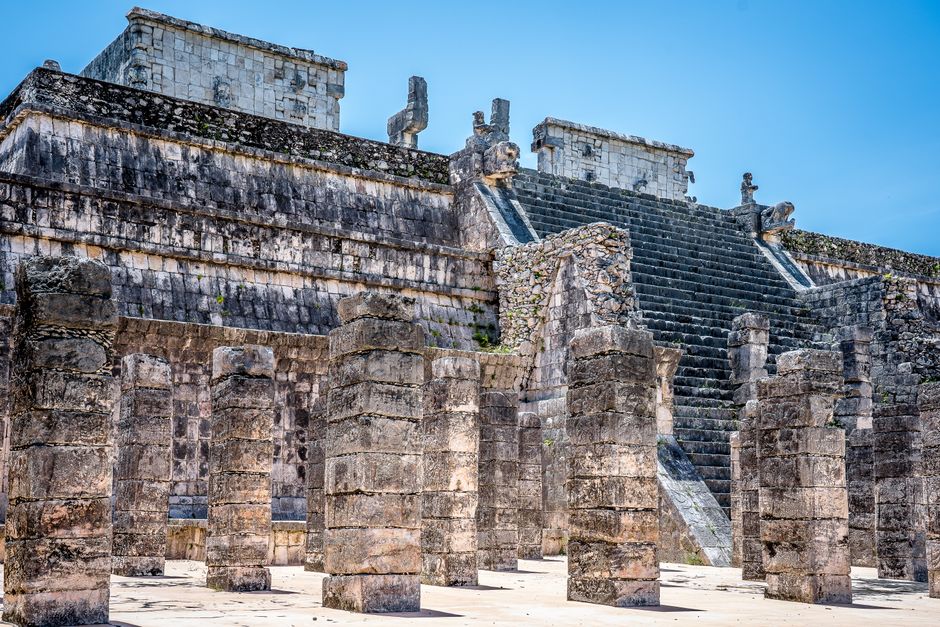
Reach Chichén Itzá close to 8:00 a.m. Spend two to three hours on El Castillo, the Great Ball Court, the Temple of the Warriors, El Caracol and the Sacred Cenote. Read the signs before taking photos so the site becomes more than a backdrop. Leave before the harshest heat, then choose one cenote for swimming. Ik Kil offers convenience, while Xcanché fits better with an Ek Balam day. Return to Valladolid for a slow evening rather than adding another attraction.
Day three: choose depth over distance
For architecture, visit Ek Balam early and study the stucco details on the Acropolis before swimming at Xcanché. For water, spend the day in Homún and visit two or three cenotes with time to change and eat. For a Mérida-based trip, replace Valladolid with Uxmal and keep the route focused. Leave the equinox dates open only if you can tolerate changes to access, traffic and viewing zones.
This plan succeeds because it leaves room for delays. A flat tire, a full car park or a slow lunch should not destroy the day.
What should you buy for transport and entry in 2026?
Yucatán is easy to visit without a packaged tour, but the right transport choice depends on your base. A rental car gives the most control for cenotes and smaller ruins. Public buses work well for the main corridors but rarely connect neatly between rural cenotes. A private driver saves planning time and costs more.
Known prices and services to compare
When a rental car wins
Rent a car if your plan includes two or more cenote areas, Ek Balam, Uxmal or small villages. Book a vehicle with full insurance, photograph every panel before leaving the agency and avoid driving unfamiliar rural roads after dark. Do not rent a car just to reach Chichén Itzá from Cancún if you dislike highway driving; the ADO service or a reputable day tour may create less stress. Always compare the complete cost, including fuel, tolls, parking and insurance, not just the daily rental rate.
Verdict: use ADO for a simple Cancún-to-Chichén Itzá day, rent a car for a multi-site itinerary and pay for a guide when historical context matters more than saving the last few pesos.
Is the spring equinox worth the crowds?
Should you visit on March 20 or 21?
Choose those dates if the event atmosphere is your main reason for coming. You may see special operating rules, dense crowds and long waits, while clouds can still hide the shadow. The experience feels communal and memorable, but it rarely feels peaceful. Travelers who want clean photographs, quiet interpretation or an unhurried walk should choose another week.
When should you skip Chichén Itzá altogether?
Skip it when your trip has only one free day and your priority is swimming, food or a quiet local experience. A smaller site such as Ek Balam can offer more room to notice carvings and landscape. Skip the equinox dates if anyone in your group struggles with heat, long standing periods or dense crowds. There is no travel prize for forcing the most famous date into a poor itinerary.
What is the strongest overall plan?
For a first Yucatán trip, spend three nights in Valladolid, visit Chichén Itzá at opening time between March 5 and 15, pair Ek Balam with Xcanché on the next day and reserve the final day for Homún or a slower Valladolid schedule. Go on March 20 or 21 only when the equinox spectacle matters more to you than comfort, clear views and flexible timing. That is the specific trade-off: choose the event for atmosphere, or choose the surrounding weeks for a better all-round trip.