
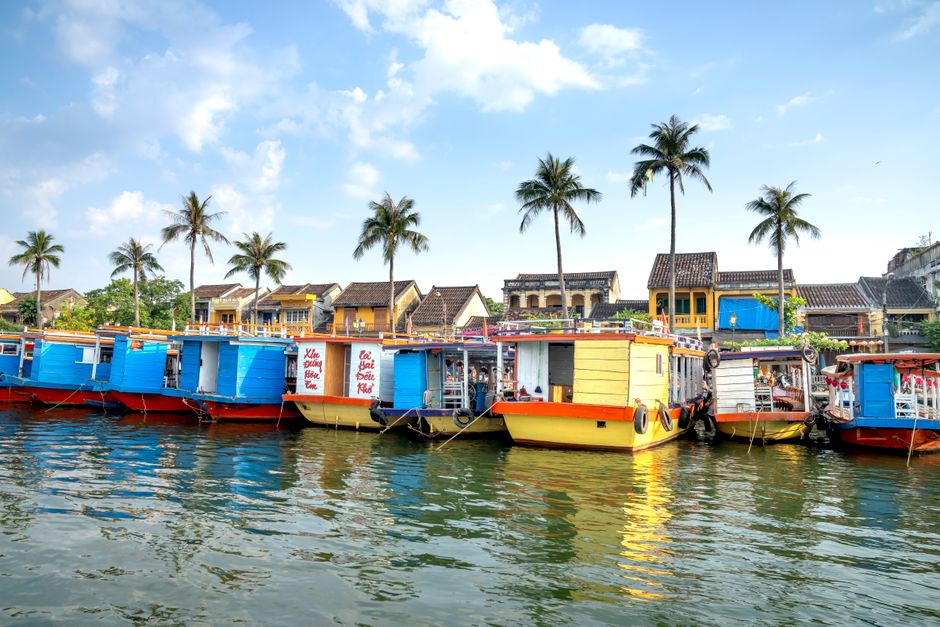
A March trip through central Vietnam can bring 24°C to 30°C days and far less rain than the region’s autumn storm season, but the real surprise is how quickly a sensible itinerary becomes exhausting. Hoi An and Hue sit only about 100 kilometers apart, yet they reward completely different rhythms: Hoi An works best on foot after sunrise and after dark, while Hue demands longer visits to spread its citadel, pagodas, and royal tombs across several sites.
March is one of the strongest months for this route, but perfect weather is not a planning strategy. The winning approach is to protect your mornings, allow one major transfer day, and give Hue enough time to feel like a former imperial capital rather than a quick photo stop.
This is not financial advice; it is practical travel guidance, and transport times, entrance fees, and weather can change without notice.
How many days should you spend in each city?

The five-day split is the best default
For a first visit focused only on Hoi An and Hue, use three nights in Hoi An and two nights in Hue. That gives Hoi An one full old-town day, one surrounding-area day, and a relaxed arrival or departure buffer. Hue gets one full heritage day plus enough time for a slower food-focused evening and a partial second day.
| Total trip | Hoi An | Hue | Transfer plan | Best for |
|---|---|---|---|---|
| 4 days | 2 nights | 2 nights | Road transfer on day 3 | Fast travelers who accept one missed attraction |
| 5 days | 3 nights | 2 nights | Hai Van Pass road day or Da Nang rail connection | Most first-time visitors |
| 6 days | 3 nights | 3 nights | Transfer after Hoi An breakfast | Travelers who want tombs, food, and a spare-weather day |
| 7 days | 4 nights | 3 nights | Transfer with a Da Nang stop | Beach time, My Son, and unhurried sightseeing |
The road journey from Hoi An to Hue normally takes about 3.5 to 4.5 hours once stops, traffic, and the Hai Van Pass are included. A rail connection can be scenic, but Hoi An has no railway station; you first travel to Da Nang station, then take a train north. Vietnam Railways services such as SE3, SE4, SE6, and SE8 appear on the official timetable, but departure times and carriage availability should be checked close to your date.
When the split should change
Give Hue the extra night if history is your main reason for coming. The city contains the Imperial City, Thien Mu Pagoda, and several major tombs, including Minh Mang, Tu Duc, and Khai Dinh. Give Hoi An the extra night if you care more about street photography, food, tailoring, cycling, beaches, or a calm café schedule.
Do not add a separate hotel night in Da Nang just because it sits between the two cities. Add Da Nang only if you want Marble Mountains, Son Tra Peninsula, or a beach day. Otherwise, the extra check-in and check-out creates a hidden cost in time. A cheap room does not make a split worthwhile if it consumes half a sightseeing day.
Which city deserves the extra night?
The clear verdict
For most travelers, Hoi An deserves three nights and Hue deserves two. Hoi An has a tighter sightseeing area, but its appeal changes dramatically between sunrise, afternoon heat, lantern-lit evening, and the nearby beach; that variety makes an extra night feel useful rather than repetitive, while Hue’s headline sights are more demanding and can be covered well in two full days if you choose the Imperial City plus two royal tombs instead of trying to visit every monument.
The important exception
Choose three nights in Hue when you enjoy architecture, Vietnamese history, photography, or slower museum-style travel, because UNESCO describes the Complex of Hue Monuments as a former imperial capital established in 1802 and used through 1945, with the citadel, religious sites, and royal tombs spread through a larger cultural landscape; choose four nights in Hoi An only when you also want My Son Sanctuary, An Bang Beach, a cooking class, or a no-plan recovery day, since the old town itself rarely needs more than two well-timed visits.
Bottom Line: Put the extra night in Hoi An by default, but move it to Hue if imperial history matters more to you than beach-and-lantern-town variety.
What should you see, and what should you skip?
What are the essential sights in Hoi An?
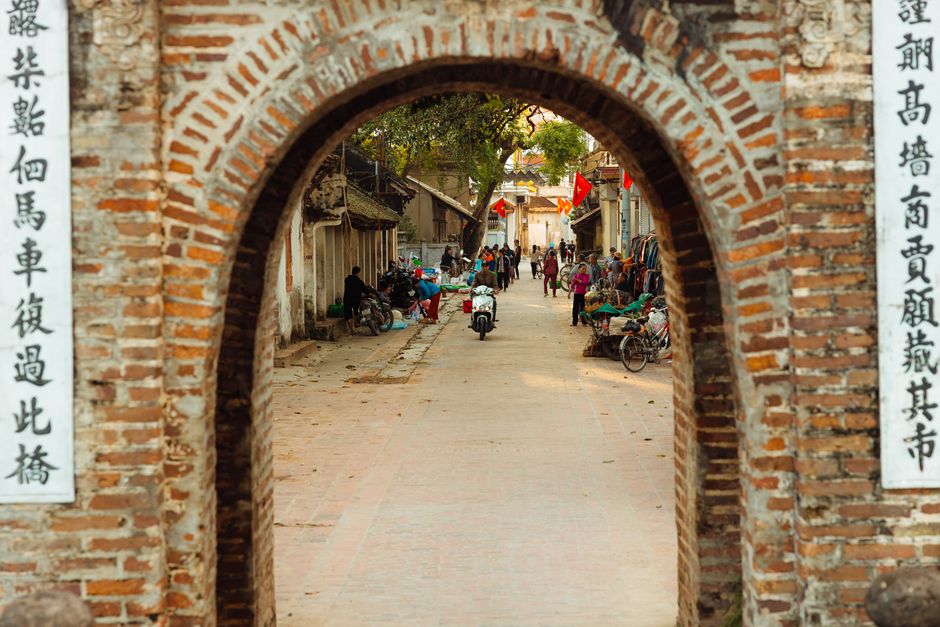
Start with Hoi An Ancient Town before the streets fill. UNESCO describes it as a remarkably preserved Southeast Asian trading port with 1,107 timber-frame buildings, narrow streets, river access, and architectural influences from several trading communities. That history is easy to miss if you treat the old town as a backdrop for shopping.
- Morning: Walk the Japanese Covered Bridge, Tran Phu Street, the central market edge, and two historic merchant houses before the tour groups arrive.
- Afternoon: Choose An Bang Beach, a bicycle ride through Tra Que vegetable village, or a rest during the hottest hours.
- Evening: Return to the Thu Bon riverfront for dinner and lantern views. On the 14th day of the lunar month, the lantern festival adds crowds and extra atmosphere, but it does not make every street better.
- Optional day trip: Visit My Son Sanctuary early, because the exposed temple complex becomes hot quickly and the drive from Hoi An takes roughly one to one and a half hours each way.
Skip the idea that every paid activity deserves a place in the schedule. A rushed basket-boat trip, a compulsory shopping stop, and a late afternoon beach visit can turn a pleasant day into a sequence of transfers. Pick one rural activity and one cultural activity, then leave open space.
Which Hue sights earn the time?
Make the Imperial City the anchor. It explains Hue’s scale and political history better than a quick river cruise does. Follow it with Thien Mu Pagoda and two tombs chosen for contrast: Minh Mang for its balanced landscape, Tu Duc for its reflective garden setting, or Khai Dinh for its dense late-dynasty decoration and steep stairway.
The UNESCO profile of Hoi An Ancient Town and the UNESCO profile of the Complex of Hue Monuments are useful checks against shallow sightseeing lists. Hoi An is a living historic town, not only a lantern photo. Hue is a connected monument landscape, not only a purple gate.
How do you pace the route without losing a day?

A practical five-day sequence
- Day 1, arrive in Hoi An: Transfer from Da Nang, settle in, and walk only the riverside and nearby lanes. Do not schedule My Son or Hue after an international arrival.
- Day 2, old town early: Visit the main historic buildings before 9 a.m., eat a late breakfast, rest during midday heat, then return for the evening atmosphere.
- Day 3, choose one nearby experience: Pick My Son, Tra Que, An Bang Beach, or a cooking class. One strong excursion beats three half-finished ones.
- Day 4, move to Hue: Leave after breakfast. Take a road route over Hai Van Pass if scenery matters, or use the Da Nang railway connection if you prefer a simpler transport day. Treat the transfer as part of the itinerary, not dead time.
- Day 5, Hue heritage day: Enter the Imperial City early, take a proper lunch break, then visit Thien Mu Pagoda and one or two royal tombs according to energy and weather.
The mistakes that make March feel harder
Do not place the lantern festival on the same evening as a long transfer. Do not reserve a sunrise tour on the morning after a late flight. Do not assume a clear forecast means you can skip water, sun protection, or a rain layer. March is comfortable, but exposed courtyards and long roads still drain energy.
Keep one adjustable block in the plan. If Hue receives a wet morning, move the tombs later and use the Imperial City, cafés, or the Royal Antiquities Museum as the main activity. If Hoi An is busy at night, walk the quieter Cam Nam side rather than pushing through the densest riverfront crowd.
Daily spending also varies sharply by room type and transport. Vietnam Tourism places a broad March budget around 1.2 million to 2.5 million VND per person per day, but that figure can rise with private cars, guided tomb visits, beach resorts, or last-minute rooms. Treat it as a planning range, not a quoted bill, and check entrance fees and transfer charges separately.
The single most important takeaway is simple: spend three nights in Hoi An and two in Hue, then protect your mornings for the sights that make March travel worthwhile.