
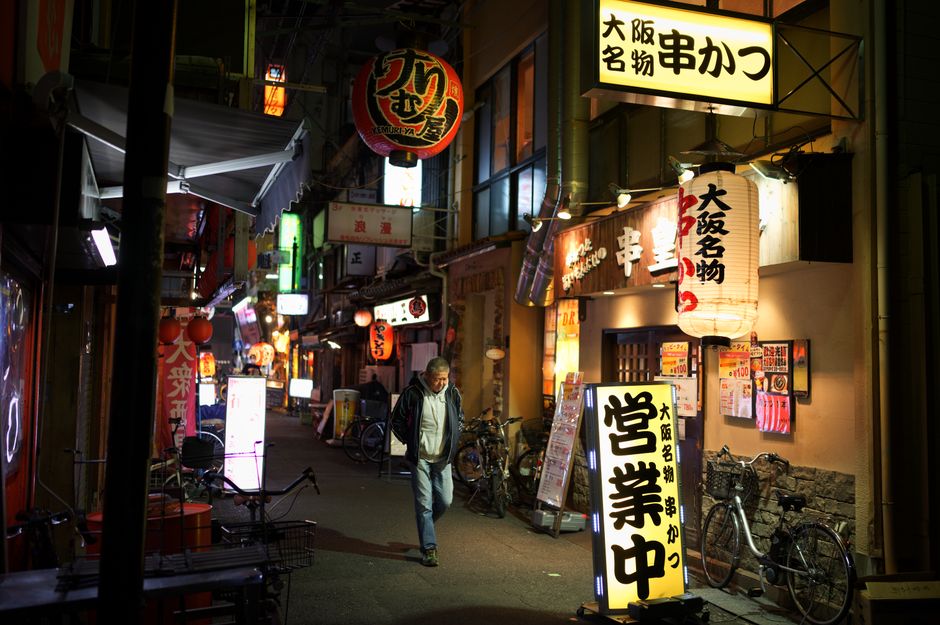
The common misconception is that Japan becomes quiet as soon as the main cherry blossom season ends. That is only partly true. Many famous viewing spots do empty out after peak bloom, but popular mountain towns, Kyoto day trips, and transport hubs can become busy again near Golden Week. For a calmer trip, the better strategy is to choose a smaller town, stay at least two nights, and avoid the national holiday period beginning on April 29, 2026. This is not legal advice — consult a licensed attorney for questions about Japanese entry rules, driving laws, or other legal matters.
Which Japanese towns are quieter in late April?
Late April is strongest in places where the appeal does not depend on one short cherry blossom window. Historic streets, mountain scenery, craft traditions, gardens, and local food remain worthwhile after the blossoms fade. The table below compares towns that work well for different travel styles. Travel times and fares are typical estimates from major nearby stations and can change with train reservations, local buses, and seasonal schedules.
| Town or area | Best for | Typical late-April conditions | Useful stay |
|---|---|---|---|
| Takayama | Old streets and mountain food | Cool mornings, roughly 8–18°C; late snow is possible in higher areas | 2 nights |
| Matsumoto | Castle, cafés, and access to the Alps | Clear days are common; roughly 7–20°C | 1–2 nights |
| Kurashiki | Canal district and slower urban walking | Mild, often 12–22°C; rain remains possible | 1–2 nights |
| Kiso Valley | Rural trails and preserved post towns | Cooler than Nagoya; trail conditions vary after rain | 2 nights |
| Hagi | Quiet history and coastal scenery | Mild and less crowded than major western Japan cities | 2 nights |
Best choice for first-time visitors: Matsumoto
Matsumoto is the easiest recommendation for a first visit. Its compact center gives you a major castle, small museums, independent cafés, and practical rail connections without requiring a long rural detour. It also works as a base for Kamikochi or the Azumino area, although mountain access can be seasonal and weather-dependent.
Best choice for the quietest streets: Hagi
Hagi is the stronger pick for travelers who want genuinely low visitor density. Its samurai districts, kiln traditions, and coastal setting reward slow walking rather than landmark collecting. The tradeoff is clear: connections take longer, and English-language information is thinner than in Matsumoto or Takayama.
Why late April can be better than peak cherry blossom season
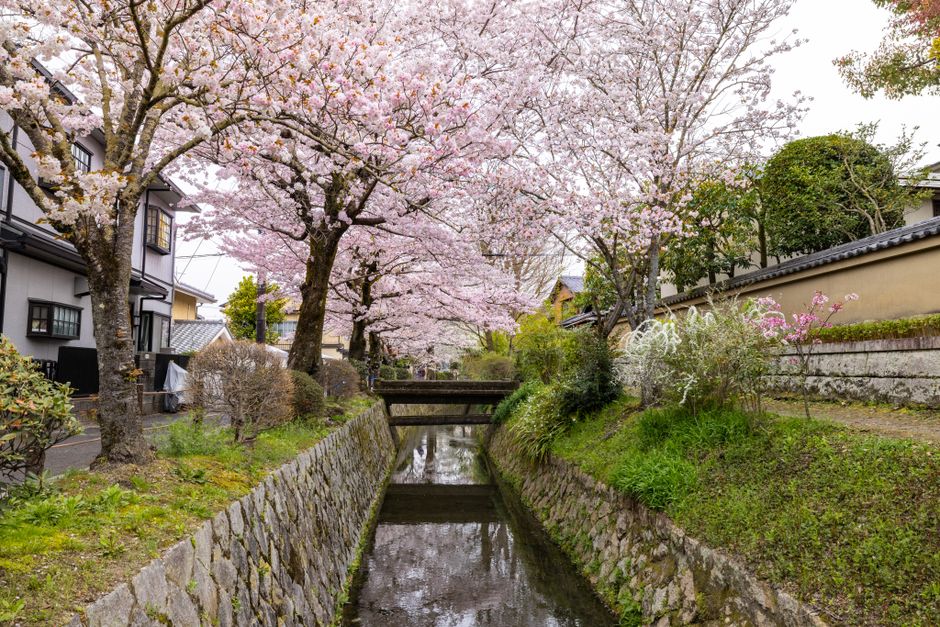
The practical advantage of late April is not that every destination becomes empty. It is that the trip becomes less dependent on one fragile natural event. Cherry blossoms can finish early after warm weather or arrive late after cold weather. By late April, gardens and historic neighborhoods still offer a full day of activities even when the last petals have disappeared. Fresh green foliage also becomes more visible, especially in temple grounds, river valleys, and mountain villages.
Late April also improves the balance between weather and daylight. Central Honshu can feel cool in the morning and comfortable by afternoon, so travelers can walk for several hours without the heat that arrives later in summer. Snow remains on higher peaks, which creates strong mountain views from places such as Matsumoto and Takayama. At the same time, lower towns usually have open cafés, gardens, and museums operating on their normal spring schedules.
What changes after the blossoms fade
Some attractions lose their seasonal headline but gain breathing room. Kyoto’s most photographed lanes may still be busy, yet nearby towns such as Uji, Ohara, or Otsu can offer a slower day if you travel early and stay away from weekend midday peaks. The same principle applies in Kanazawa, where traditional districts remain valuable for architecture, crafts, and food even after the major blossom displays end.
Why Golden Week changes the calculation
April 29 marks Showa Day and starts a period of public holidays that runs into early May. In 2026, the pressure builds from April 29 through the first week of May, with domestic travel affecting trains, hotels, highways, and popular attractions. A quiet-town plan is strongest from roughly April 15 to April 28. If your dates extend beyond April 29, reserve accommodation early and treat travel days as fixed appointments rather than flexible suggestions.
How to plan a quieter late-April route
A calm itinerary depends more on movement than on finding a secret destination. Use this sequence to reduce backtracking and protect time in each town.
- Choose one regional corridor. Pair Matsumoto with Takayama, or Kurashiki with Hagi, instead of crossing the country every other day. Long transfers turn a quiet holiday into a timetable exercise.
- Book two nights in the smallest town. One night often gives you only an arrival afternoon and a departure morning. Two nights create one full day for walking, weather changes, and a local meal.
- Put the busiest attraction first. Visit a castle, canal district, or famous trail before 9 a.m. Small towns can feel empty at breakfast and crowded by late morning when day tours arrive.
- Check the last local connection. Rural buses may stop earlier than city trains. Save a screenshot of the return timetable and keep a cash reserve for operators that do not accept every transport card.
- Keep one weather-proof activity. A pottery museum, sake brewery, castle interior, or local history museum prevents rain from forcing an expensive change of base.
A workable six-day example
Start with two nights in Matsumoto, then spend two nights in Takayama, followed by one night in a larger transport city such as Nagoya. Use the final day for departure rather than a remote excursion. This route gives you castle architecture, mountain scenery, traditional streets, and reliable connections without making every morning a luggage transfer.
What to pack for the temperature swing
Pack a light waterproof shell, one warm middle layer, comfortable shoes with grip, and socks that dry quickly. Late-April mornings can feel much colder in mountain valleys than the afternoon forecast suggests. For the Kiso Valley or higher trails, check rainfall and trail notices before leaving the station; a sunny city forecast does not guarantee safe footing in the hills.
The best strategy is a two-base trip, not a famous-blossom chase
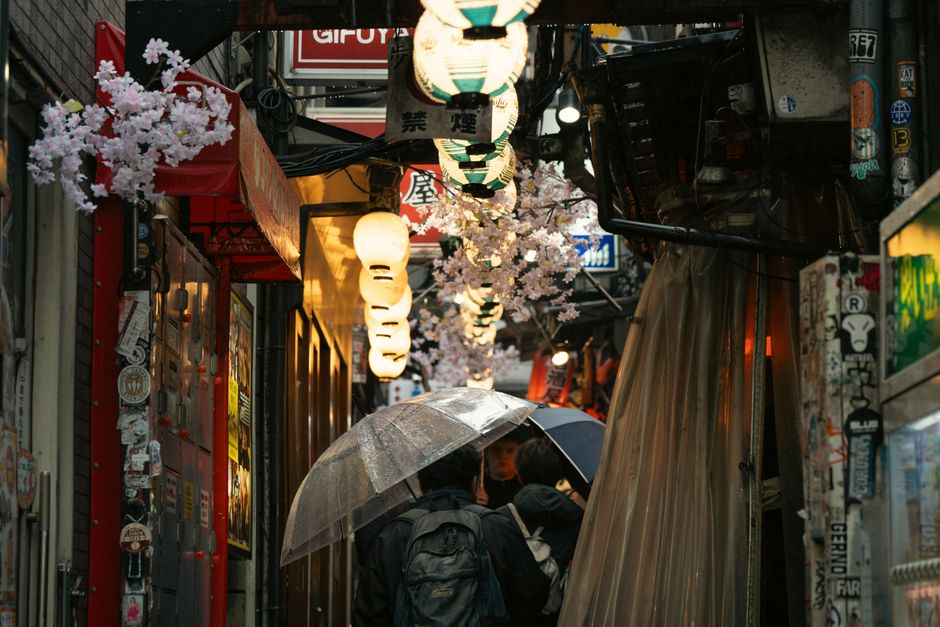
For most travelers, two bases beat a long list of famous stops. The winning combination is one accessible regional city and one smaller town. Matsumoto plus Takayama is my strongest late-April pairing because it balances rail access, mountain scenery, historic streets, and enough indoor activities to survive a rainy day.
Why this pairing works
Matsumoto provides a straightforward first base. You can walk from the station to the castle area, eat without booking every meal months ahead, and make short excursions if the weather is good. Takayama then supplies the slower rhythm: morning markets, timber buildings, local beef, and mountain air. The contrast makes the trip feel varied without demanding a new hotel every night.
When not to choose this route
Do not choose Matsumoto and Takayama if your priority is warm coastal weather, nightlife, or minimal transfer time. Travelers with limited mobility should also check slopes, uneven paving, and bus access before choosing preserved districts. Kurashiki is a better alternative for a flatter, gentler walking base, while Hagi is better for visitors who accept longer travel in exchange for fewer crowds.
The same rule applies to blossom hunting. If you need a guaranteed peak-bloom view, late April is the wrong season for most lowland cities. A route built around gardens, food, architecture, and scenery is more reliable than chasing a remaining cluster of flowers across several prefectures.
What can go wrong on a late-April Japan trip?
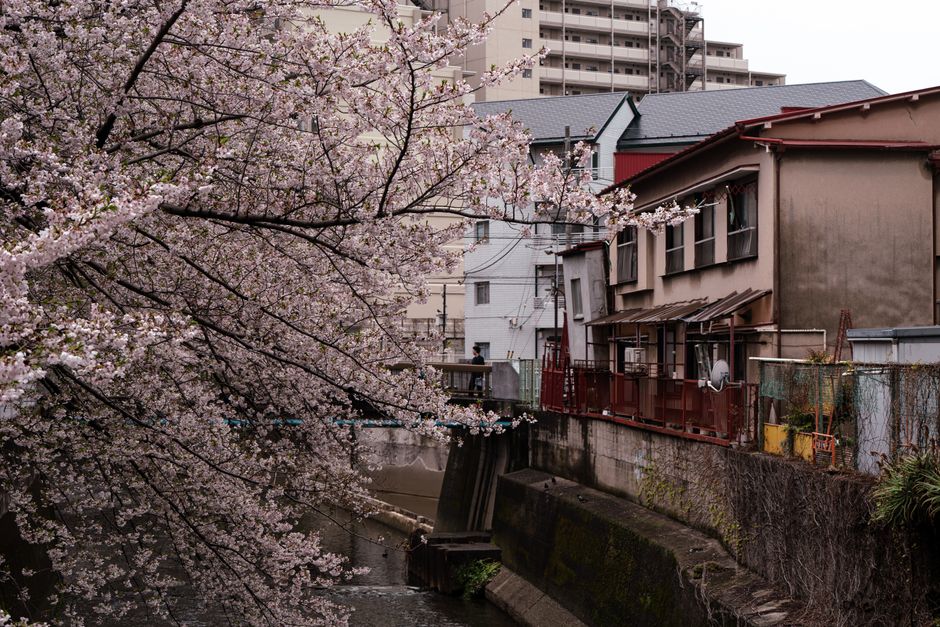
Will every small town be quiet after cherry blossom season?
No. A town can be calm on a Tuesday and crowded on a Saturday, especially when it is reachable as a day trip from Tokyo, Nagoya, Osaka, or Kyoto. Check hotel availability before assuming low demand. If accommodation prices rise sharply or only distant rooms remain, that is evidence that the town is not quiet for your dates.
Is late April warm enough for mountain towns?
Often, but not consistently. Matsumoto and Takayama can have mild afternoons and cold evenings. Higher routes may still hold snow, and rain can make walking trails unpleasant. Pack layers and verify local transport before committing to a high-altitude excursion.
Should you travel during Golden Week?
You can, but it requires a different standard of planning. Avoid relying on same-day hotels, unreserved seats, or a last bus from a rural attraction. Move between bases before the holiday period if possible, then stay put for several nights. For a genuinely quieter experience, finish the town portion of the trip by April 28, 2026.
Late April rewards travelers who value atmosphere over a checklist. Select towns whose appeal survives the end of blossom season, limit the number of bases, and treat the final days of the month as a separate travel period because domestic holiday demand changes the experience.