
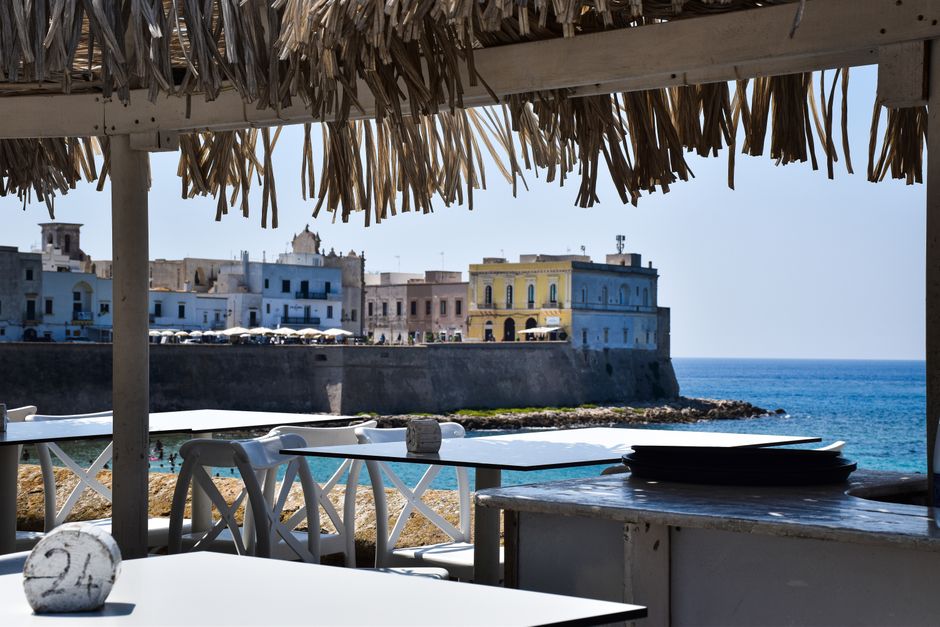
May is not simply a cheaper version of August in Puglia. The region feels calmer, driving is easier, and daytime temperatures suit long walks. The trade-off is that the sea can still feel cool, some beach clubs may not be fully open, and a windy day can change the plan. For a first visit, May is the best month for a road trip through Alberobello, Polignano a Mare and Lecce, provided you build the route around towns, food and coastal views rather than promising yourself a full week of swimming.
This seven-day plan starts near Bari and finishes in Lecce. It avoids needless backtracking and leaves room for one unplanned lunch, which is one of the main reasons to drive Puglia at all.
How should you divide seven days between the main towns?
Use this southbound sequence
- Day 1 — Bari to Polignano a Mare: Collect the car, settle into Polignano, and walk the old town before sunset. Keep the first driving day short.
- Day 2 — Polignano and Monopoli: Start at Lama Monachile before the day-trippers arrive. Add Monopoli in the afternoon for its harbour, defensive walls and quieter dinner streets.
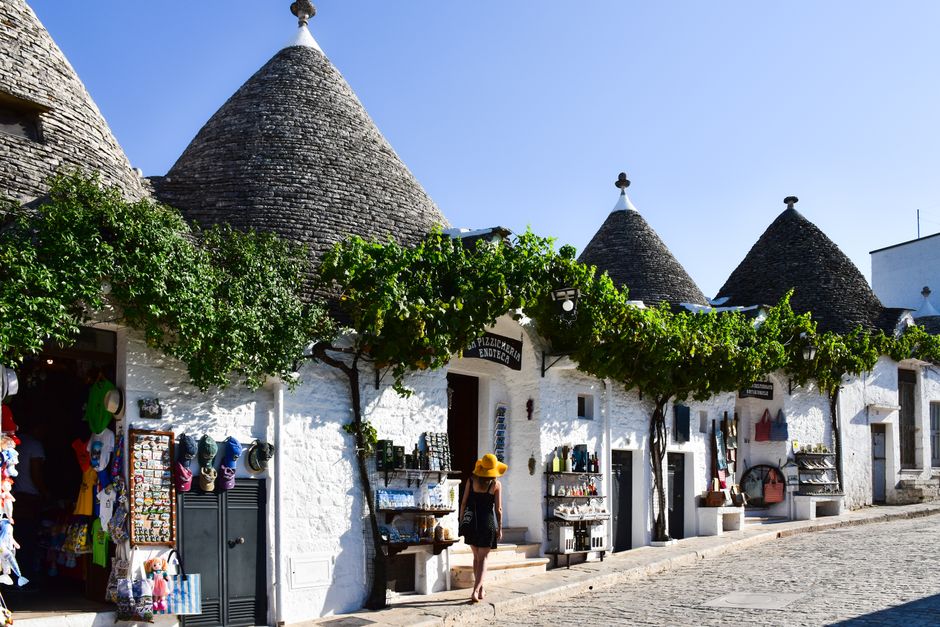
- Day 3 — Alberobello and the Itria Valley: Drive inland to Alberobello, then continue to Locorotondo or Cisternino. Sleep in the valley rather than returning to the coast.
- Day 4 — Valle d’Itria to Lecce: Stop in Ostuni or Ceglie Messapica, then drive south. Arrive in Lecce early enough for an evening passeggiata.
- Day 5 — Lecce: Give the historic centre a full day. Visit Piazza del Duomo, Santa Croce and the Roman amphitheatre, with time for a long lunch.
- Day 6 — Salento coast: Choose Otranto for a compact coastal day, or Gallipoli for a livelier harbour and beaches. Do not try to see both properly in one day.
- Day 7 — Buffer and departure: Keep the final morning flexible for weather, laundry, a market or a delayed meal. Drive to Brindisi Airport or back toward Bari according to your flight.
Why this route works
The route moves in one direction and separates the coast from the inland villages. That matters more than saving a few kilometres. Puglia’s roads can look simple on a map, but local traffic, slow agricultural vehicles and town-centre restrictions make short distances take longer than expected. A seven-day trip feels relaxed when you treat Polignano, Alberobello and Lecce as bases, not as quick photo stops.
Verdict: Spend two nights near Polignano, one or two in the Itria Valley, and at least three around Lecce. That balance gives the region enough time to feel like a place rather than a checklist.
What should you do in Alberobello, Polignano and Lecce?
Alberobello: arrive early and look beyond the postcard view
Alberobello is famous for its trulli, but the town works best when you give it more than an hour. Start in Rione Monti before the streets fill. Walk uphill through the conical stone houses, then cross toward Aia Piccola, the quieter historic district. The contrast matters: Rione Monti is polished for visitors, while Aia Piccola gives a better sense of the residential fabric. Trullo Sovrano is a useful indoor stop if the afternoon turns hot. The town is a UNESCO World Heritage site, and the official tourism description confirms that the trulli are part of a wider architectural tradition across the Itria Valley, not an isolated curiosity.
Polignano a Mare: treat the viewpoint as a beginning
Lama Monachile is the obvious photograph, but it should not be the entire visit. Walk the old town’s balconies, follow the cliff edge, and continue toward Ponte Lama Monachile for a wider view of the cove. The beach is small, so it becomes crowded quickly even outside July. Arrive before 9 a.m. for photographs and a calm swim attempt, then move on to breakfast. A windy day is better spent walking the town than forcing a beach afternoon.
Lecce: build the day around shade and stone
Lecce deserves the longest stop because its appeal is not one monument. The pale local stone changes colour through the day, and the streets are best explored in two walking blocks: early morning and after 5 p.m. Use the hottest hours for lunch, a museum, or a slow coffee. The Roman amphitheatre, Basilica of Santa Croce, Piazza del Duomo and Church of Saints Niccolò and Cataldo create a strong first-day circuit. Add an evening walk through the centre when the façades are lit and restaurants begin filling.
Verdict: Alberobello is the strongest early-morning stop, Polignano is the best coastal viewpoint, and Lecce is the place to slow down. Do not give each town the same amount of time.
Should you rent a small car or a larger vehicle?
The small car is the clear winner
For this route, rent the smallest vehicle that fits your luggage. Historic centres use narrow lanes, coastal parking is limited, and a large SUV creates stress without adding useful range. These are planning prices rather than fixed quotes; insurance, automatic transmission, airport fees and the rental date can change the final bill.
| Vehicle | Planning price per day | Best use | Main trade-off |
|---|---|---|---|
| Fiat Panda | €35–€60 | Two travellers with light luggage | Limited boot space and modest motorway power |
| Toyota Yaris Hybrid | €45–€75 | Couples covering towns and city roads | Higher daily price, but easy urban driving |
| Jeep Renegade | €60–€95 | Families needing extra luggage room | Harder parking and higher fuel costs |
| Large seven-seat SUV | €90–€140 | Large groups with substantial bags | Least practical choice for old-town streets |
When a car is not the right choice
Skip the rental car if you plan to stay in Bari, Polignano and Lecce only. Trains connect the main corridor, and local buses can cover selected coastal trips. A car becomes valuable when you add Alberobello, Locorotondo, Cisternino, Otranto or rural masserie. The decisive question is not comfort. It is access.
Do not drive into an unfamiliar historic centre just because a map suggests the hotel is nearby. Italian ZTL zones restrict traffic at specific times, and camera enforcement can produce a fine after you return home. Park outside the old town, photograph the street signs, and walk in.
Verdict: Choose a Fiat Panda for two people, a Toyota Yaris Hybrid for a quieter automatic-drive experience, and a larger vehicle only when luggage or group size makes it necessary.
What can go wrong on a Puglia road trip?
Will May guarantee beach weather?
No. May is a strong sightseeing month, not a guaranteed swimming month. Keep one inland alternative ready for every coastal day. Lecce, Nardò, Ostuni and the Itria Valley protect the itinerary when wind or rain changes the beach plan.
Can you see Alberobello, Ostuni and Lecce in one day?
You can drive past all three. You cannot experience them well. Alberobello needs an early walk, Ostuni works best as a relaxed hill-town stop, and Lecce deserves an evening at minimum. Combining all three creates parking pressure, rushed meals and a late arrival.
Should you stay inside every historic centre?
No. Historic-centre accommodation gives atmosphere but often creates luggage, parking and access problems. A property just outside the centre can offer easier arrival and a ten-minute walk to the sights. In Lecce, that trade-off is especially useful because the city centre is compact.
What is the most common planning mistake?
Booking every night before checking the route. The best plan has a fixed first and final night, then chooses the middle base around the experience you want: trulli and countryside in the Itria Valley, or beaches and seafood near the coast. Another common mistake is leaving no buffer for a late lunch, a closed car park or a road diversion. Puglia rewards slower decisions.
Verdict: Build the route around one major sight and one flexible experience each day. That rule prevents most failures before they happen.
What is the best 2026 plan for Puglia in May?
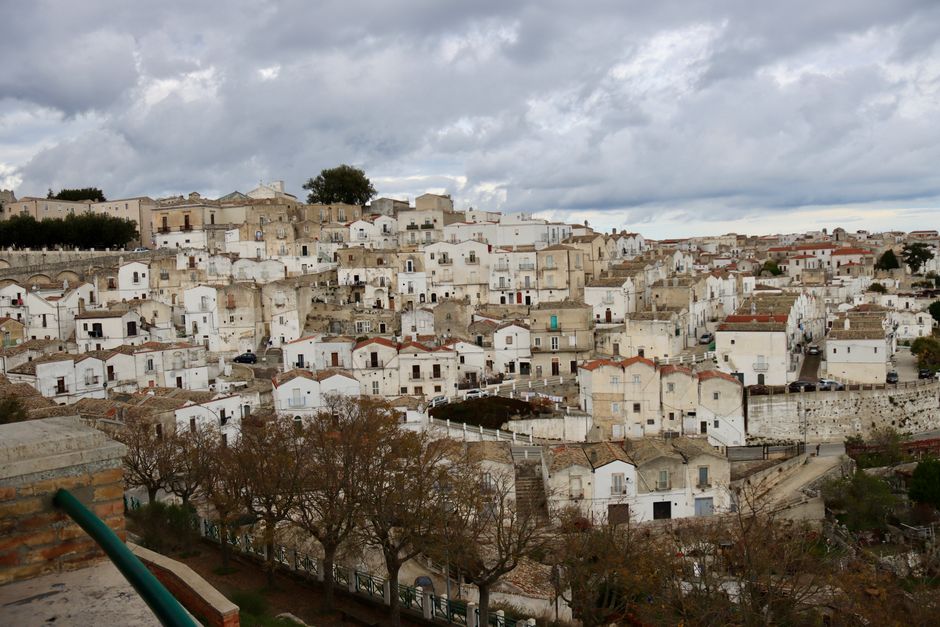
My clear recommendation is a seven-day southbound trip with two nights in Polignano, one night in the Itria Valley and three nights in Lecce. Rent a small car, arrive at major sights early, and reserve the final day as weather insurance. This gives you the best parts of Puglia in May: cooler walking conditions, open roads, green countryside and enough time for long meals.
Five decisions that improve the trip
- Fly into Bari and leave from Brindisi when the airfare works; the one-way route saves backtracking.
- Visit Polignano’s Lama Monachile before breakfast, not at midday.
- Sleep near Alberobello or Locorotondo rather than driving back to the coast after dinner.
- Use Lecce as the cultural anchor and choose only one major Salento coast excursion.
- Pack a light jacket, walking shoes, sun protection and one layer for windy evenings.
The final call
Do not choose August for this itinerary unless hot beach days are the main goal. For architecture, food, towns and manageable driving, Puglia in May is the better road-trip month. Follow the Bari-to-Lecce route, keep the car small, and protect one flexible day. That is the version most likely to feel generous rather than rushed.