
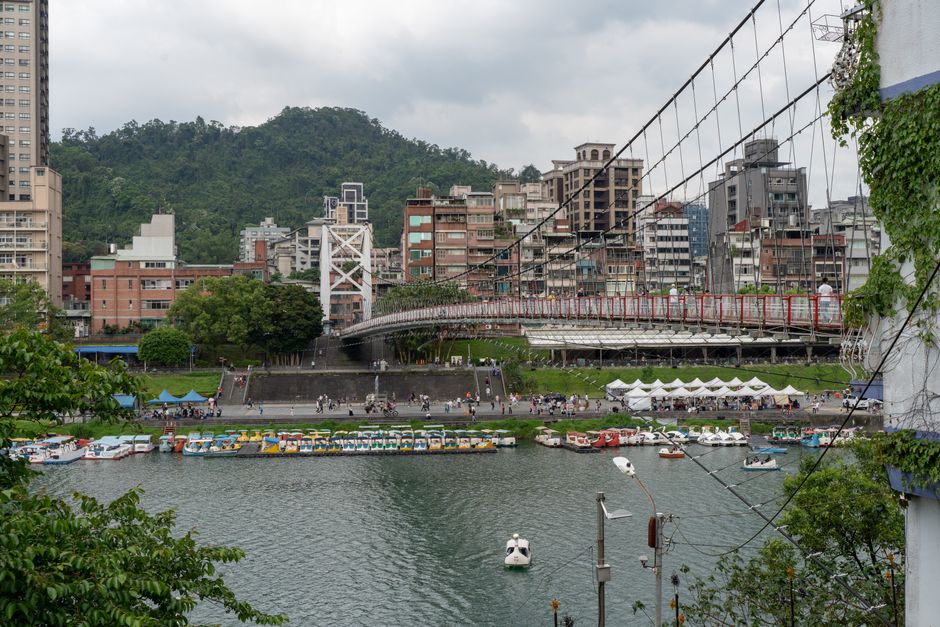
How should you split Taipei, Hualien, and Taroko?
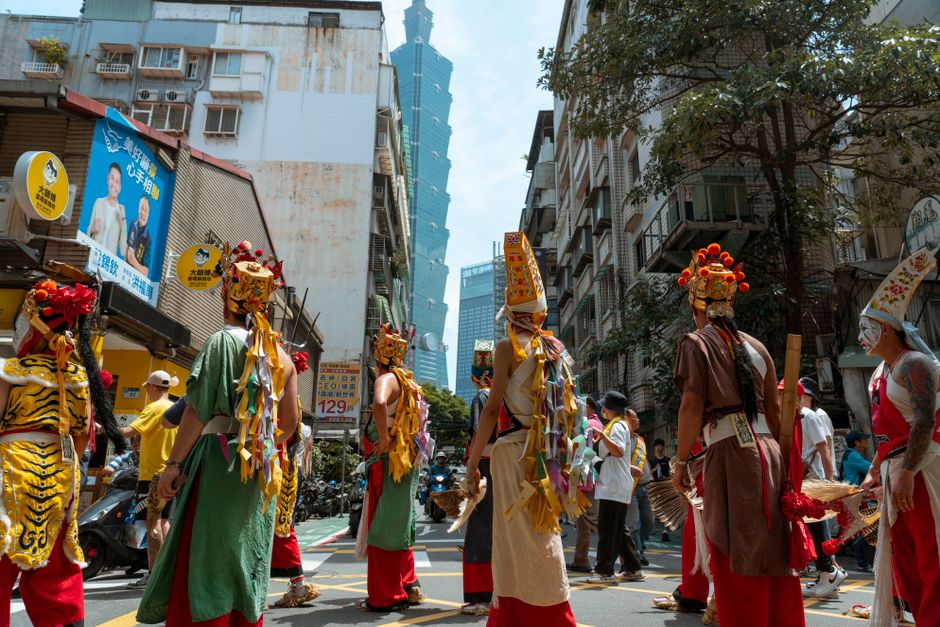
My route choice is simple: spend three nights in Taipei, two nights in Hualien, and keep one day unassigned. That gives the food markets enough time to shine and lets you move the Taroko outing to the clearest forecast.
| Day | Base | Plan | Rain fallback |
|---|---|---|---|
| 1 | Taipei | Arrive, rest, and eat near your hotel | Underground Taipei Main Station shops |
| 2 | Taipei | Ningxia or Raohe food market after sunset | Covered market stalls and museum time |
| 3 | Taipei | Old town, temple, and a second market | National Palace Museum or Zhongshan shops |
| 4 | Hualien | Travel east and explore the city slowly | Hualien railway culture and cafés |
| 5 | Hualien | Taroko open areas only after a status check | Qixingtan coast or Hualien food crawl |
| 6 | Taipei | Return with a buffer before departure | Keep the whole day flexible |
Why Taipei belongs at the start
Taipei gives you the most control over a wet forecast. You can move between neighborhoods by metro, eat under awnings, and replace an outdoor plan within minutes. The city also makes a better landing zone after a long flight. Sleep properly before taking a train to Hualien, where the mountain day demands an early start and more planning.
Why Hualien deserves two nights
A Taipei-to-Hualien transfer followed by a mountain excursion creates a fragile schedule. The journey itself takes part of the day, and Taroko access can involve road controls or a private transfer. Two nights let you check the latest notice after arrival, ask your hotel about local conditions, and cancel the gorge visit without losing the entire east-coast section.
If your trip lasts only four nights, choose Taipei and Hualien rather than trying to add another city. For a five- or six-night trip, this route has enough breathing room for food, scenery, and bad-weather changes.
Which Taipei food markets deserve your May evenings?
Raohe Street Night Market is the best first market for most visitors because it is compact, easy to reach, and packed with recognizable Taiwanese snacks. Ningxia is the better choice for serious eating, while Shilin is the better choice for a large, noisy night with games and shopping.
- Use Shilin for variety, not food quality alone. Shilin is larger and more commercial. It suits travelers who want snacks, clothing, claw machines, and souvenirs in one stop. It is less efficient if your only goal is to taste the strongest local dishes.
How to eat without wasting the evening
Buy one small item at a time and share it. Walk ten minutes before choosing the next dish. This keeps you from filling up on the first fried snack and gives you room for soup, fruit, or dessert later. Carry cash in small bills, because some stalls still move faster with cash than with a card.
Look for a steady queue, high turnover, and food cooked in front of you. A long line does not guarantee the best taste, but it usually means the stall is not holding food for hours. Avoid buying more than you can finish; humid May weather makes leftovers unpleasant to carry.
What to do when rain hits
Do not cancel the market night automatically. Wear sandals or waterproof shoes, take the nearest metro exit, and use the covered edges of the market. For a serious downpour, switch to Taipei Main Station, Zhongshan’s underground shopping areas, or a traditional breakfast shop the next morning. Taipei’s food culture is broader than its open-air night markets.
What should you buy or download before Taiwan in May?
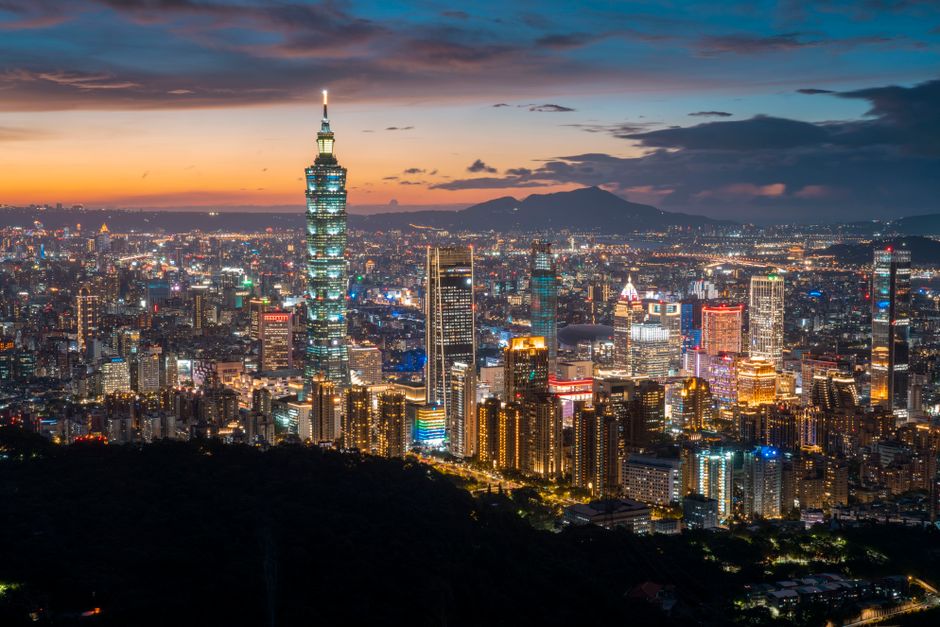
Buy an EasyCard and skip the Taipei FunPASS unless you plan several paid attractions. A food-market itinerary uses ordinary transport more often than bundled sightseeing admissions. These tools help with movement, but none replaces checking the mountain forecast.
The practical transport kit
- Google Maps: the free app is useful for opening hours, walking routes, and saving market locations. Download an offline map before leaving the airport, then keep screenshots of your hotel address in English and Chinese.
Keep one generic tip between each purchase decision: carry a small cloth for condensation, charge your phone before the market, and save the address of your accommodation in Chinese. Those details matter more than buying a large travel bundle.
When the Taipei FunPASS earns its price
That can make sense for a packed sightseeing day with repeated metro and bus trips. It is a poor choice for a relaxed food trip that mostly uses a few metro rides.
Buy it only when you have chosen enough included attractions to beat the cost of separate tickets. For Taipei markets plus one museum, the EasyCard is the clear winner.
Is Taroko Gorge open enough for a May visit?
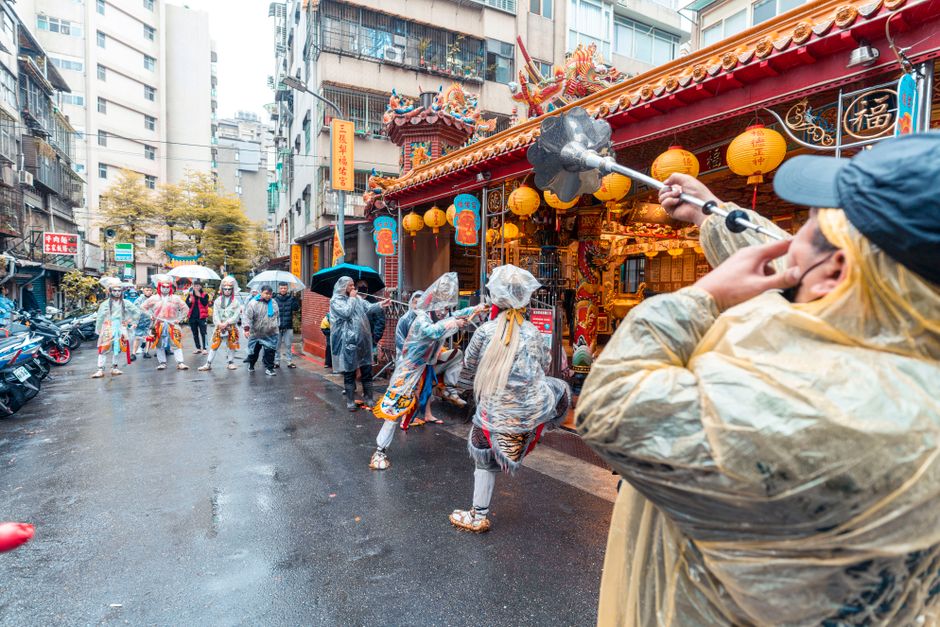
Taroko access is conditional, not a normal sightseeing guarantee. For a May 2026 trip, build the day around officially open sections and keep a full alternative ready. The post-earthquake gorge closures are the main reason to avoid a prepaid itinerary that promises every famous viewpoint.
Which Taroko trails can visitors use?
The official Taroko FAQ lists the Shakadang Trail, Swallow Grotto, Tunnel of Nine Turns, Baiyang Trail, Changchun Shrine Trail, Buluowan trails, and Zhuilu Old Road among the closed or restricted attractions after the April 3, 2026 earthquake. Do not enter a closed trail from a side path or village. Rockfall risk is not an inconvenience to work around.
The same guidance lists partial openings around Lushui, Tianxiang, and the Chongde area. The Lushui Trail is open for roughly 250 meters to a small suspension bridge, about 15 minutes each way. The Lushui-Wenshan section is open for roughly 450 meters to Tuoyou’en, about one hour round trip, with steeper sections. These are short visits, not substitutes for a full gorge traverse.
How should you plan the day safely?
Check the official Taroko trail status the evening before and again on the morning of travel. The park notes that Taroko-to-Tianxiang buses are suspended in the current guidance, so visitors may need a taxi, charter vehicle, or self-drive plan. Leave Hualien early, carry water and food, and never assume that a road shown on an old blog is open now.
If the forecast shows a strong front, replace Taroko with Qixingtan, Hualien’s cafés, a local food crawl, or a slower day in Taipei. The Central Weather Administration’s plum-rain information explains why a mountain trip can fail even when the city remains comfortable. Taiwan in May rewards travelers who leave room for change: eat widely in Taipei, give Hualien time, and let the mountains decide when they are ready to be visited.