
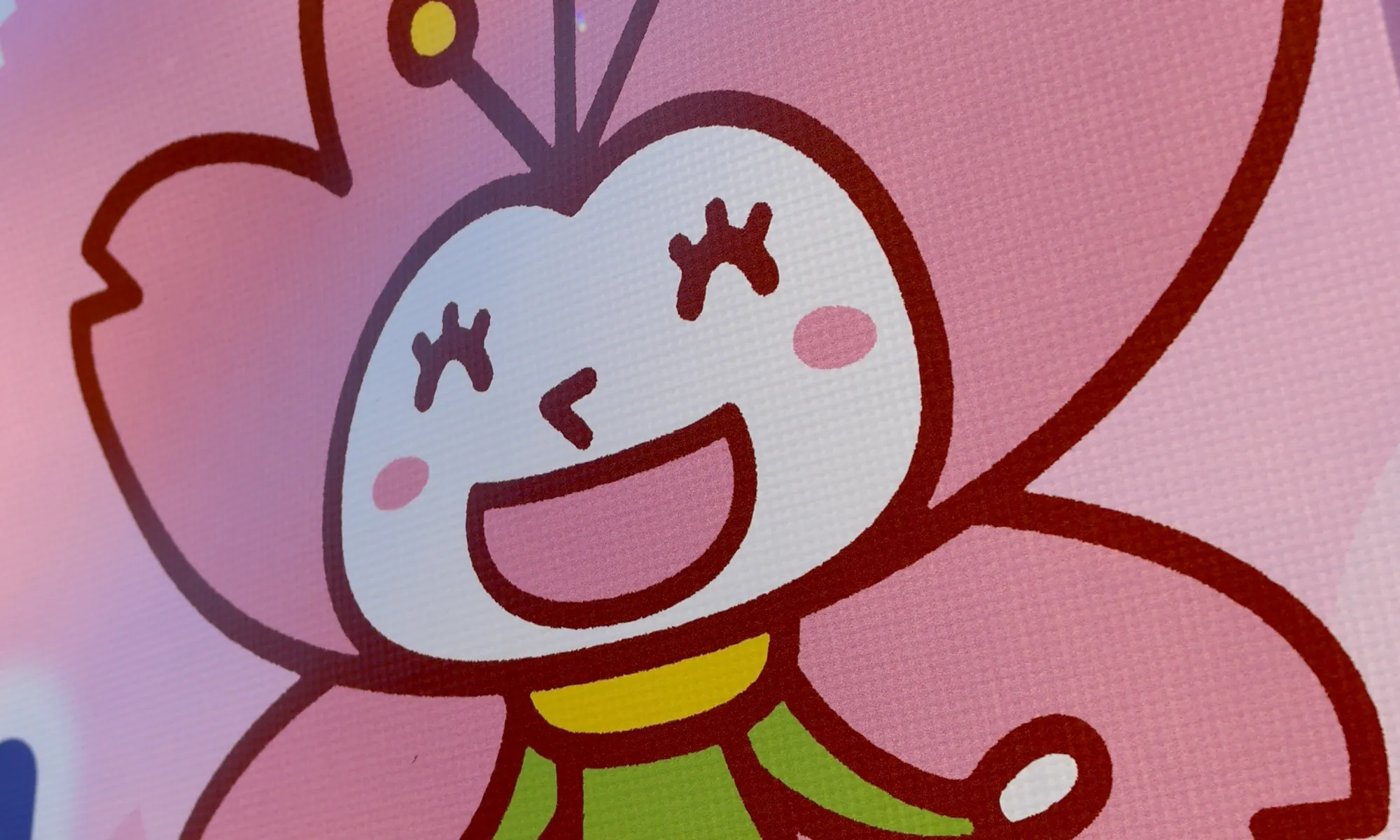
Most people hear “kawaii” and picture Hello Kitty. That’s accurate enough to be misleading. The word describes a sprawling cultural force — one that started as teenage rebellion, grew into a global aesthetic, and now sits comfortably alongside thousand-year-old philosophies about impermanence and negative space. Japan holds all of these at once without contradiction, and understanding that is the key to reading the country.
Kawaii Isn’t Decoration — It Started as Resistance
The word kawaii (可愛い) has existed in Japanese writing since at least the 13th century, but its modern cultural meaning crystallized in the 1970s when teenage girls started writing in deliberately childlike handwriting — round hiragana, hearts, stars, tiny drawings crammed into notebook margins. Schools banned this style. Teachers marked it as laziness. That backlash made it spread faster.
This wasn’t purely aesthetic. Japan in the 1970s demanded conformity and performance from young women in specific, suffocating ways. Kawaii writing was soft pushback — a way to hold onto something personal inside a rigid system. The cuter and more childlike, the better, because it made authority figures uncomfortable.
Sanrio understood this energy better than anyone. Hello Kitty launched in 1974, and the character’s facelessness — no mouth, minimal features — was a deliberate design choice. She could absorb any projection. You decided what she felt. That’s not a cute accident; that’s a sophisticated commercial philosophy built on cultural groundwork teenagers had already laid.
How Sanrio Turned a Subculture Into a Business
Sanrio now operates around 450 stores in Japan alone. The character roster has grown to include Cinnamoroll, My Melody, Kuromi, and Pompompurin — each with distinct personalities, dedicated fanbases, and annual popularity polls where characters compete in head-to-head voting. Adults vote in these polls. Earnestly.
Sanrio Puroland, the indoor theme park in Tama, Tokyo, charges between ¥3,900 and ¥5,400 admission depending on the day. The visitor base skews heavily adult. This surprises tourists expecting a children’s attraction, but it reflects something genuine about how kawaii operates: it gives adults explicit permission to hold onto softness in a culture that otherwise asks a lot of them.
Why Adults Embrace Kawaii Without Irony
A 45-year-old accountant with a Cinnamoroll phone charm isn’t being ironic. The charm is just a charm. Western culture has strong norms around adults and “childish” aesthetics — Japan’s norms here are genuinely different. Understanding this removes the sense that something strange is happening whenever you see cartoon mascots on government buses or municipal mascot characters for prefectures. Japan has over 1,500 registered yuru-chara (regional mascots). This is not a country being accidentally cute. It’s a country that made a considered cultural choice and has stuck with it for fifty years.
The Harajuku Fashion Scene Is Actually Five Different Scenes
Harajuku is a neighborhood. The fashion scene associated with it has fractured into at least five distinct subcultures, each with different rules, different brands, and different communities. Treating them as one thing is like calling jazz and death metal “loud music.”
Takeshita Street — the famous pedestrian alley near Harajuku station — is the tourist-facing entry point. Crepe stands, loud storefronts, weekend crowds. Walk five minutes west toward Cat Street and the energy shifts toward quieter, more editorial fashion. These are two different Harajukus, and regulars treat them accordingly.
Lolita Fashion — The Subculture With the Worst-Named PR Problem
Lolita fashion draws from Victorian and Rococo silhouettes: tiered petticoats, structured bodices, lace trim, Mary Janes. The goal is to look like a porcelain doll, entirely on personal terms. It has no relationship to the novel of the same name, and the community responds to that association with visible, consistent frustration.
The established brands worth knowing:
- Baby, The Stars Shine Bright — classic and gothic styles, shops in Tokyo and Osaka, pieces range from ¥15,000 to over ¥50,000
- Angelic Pretty — sweet Lolita, pastel candy prints, popular pieces sell out within hours of release on drop days
- Metamorphose temps de fille — classic style, slightly more accessible price points, known for construction quality
The community categorizes aggressively. Sweet Lolita (pastels, dessert prints) differs from Gothic Lolita (black lace, crosses) differs from Classic Lolita (muted tones, historical silhouette references). An outfit that looks “close enough” from outside reads differently inside the community. Poorly coordinated outfits are called ita-coords — from the Japanese word for painful.
Decora, Fairy Kei, and the Maximalist Branches
Decora takes layering to its logical extreme: hundreds of hair clips, colorful accessories, stickers, and pins all at once. Sebastian Masuda, founder of 6%DOKIDOKI near Harajuku station, brought this aesthetic to international attention. His shop stocks items that simply don’t exist in mainstream retail anywhere else.
Fairy kei draws from 1980s American toy nostalgia — My Little Pony, Care Bears, soft pastels — filtered through a Japanese lens. Quieter than Decora but built on the same logic: childhood imagery claimed deliberately as adult expression rather than grown out of.
Akihabara: The Physical Map of Otaku Culture
“Otaku” once carried a mild social stigma in Japan — it described people so absorbed in anime, manga, or games that basic social function suffered. That stigma has mostly dissolved. The anime industry generates over ¥2.7 trillion annually. Akihabara rebuilt itself entirely around this economy, and you feel that the moment you exit the station.
| Location | Specialty | Practical Note |
|---|---|---|
| Yodobashi Akiba | 8-floor electronics megastore — cameras, gaming hardware, components, appliances | Weekday mornings are least crowded |
| Animate Akihabara | Multi-floor anime merchandise — figures, soundtracks, art books, cosplay supplies | Stock rotates frequently; check new arrivals section first |
| Super Potato | Retro games from Famicom to PS2 era, collector pricing on older hardware | Opens at 11am, cash strongly preferred |
| Mandarake Complex | 8 floors of used manga, figures, doujinshi, rare collectibles | Best specialist finds on weekday afternoons |
| Kotobukiya Akihabara | High-end model kits and figures, own-brand and licensed, rotating themed displays | Ground floor displays change monthly |
The Pokemon Center Mega Tokyo, located in Sunshine City mall in Ikebukuro (not Akihabara — a common tourist mistake), is worth a separate trip entirely. Limited-edition plushies and regional exclusives sell out before noon on weekends. Arrive when it opens at 10am on a Tuesday and you’ll have the place nearly to yourself.
Wabi-Sabi Is the Aesthetic That Explains Everything Kawaii Isn’t
Wabi-sabi (侘び寂び) finds beauty in imperfection, impermanence, and incompleteness — cracked pottery, worn wood, moss growing over stone. It sounds like the philosophical inverse of kawaii’s polish and brightness, and it is. Both coexist naturally in Japan, which tells you something important: this is a culture that operates on multiple aesthetic frequencies simultaneously, without needing them to resolve into a single consistent position. A country that celebrates hyper-finished cartoon characters and also finds beauty in a weathered temple gate isn’t being contradictory. It’s just wider than most cultures allow themselves to be.
Mistakes Tourists Consistently Make With Japanese Cultural Norms
The most common mistake isn’t disrespect — it’s performing respect in ways that miss the actual values underneath the behaviors.
Travel guides focus on surface rules: bow when greeting, remove shoes at entrances, stay quiet on trains. These aren’t wrong, but they’re the minimum. Here’s what actually matters more:
- Don’t assume English practice is wanted. Many Japanese people find unsolicited English conversation stressful rather than exciting. Attempting even simple Japanese — sumimasen, arigatou gozaimasu — signals respect regardless of how rough your pronunciation is.
- The no-tipping rule has a cultural reason. Tipping implies the server needed to exceed expectations to get compensated adequately. In Japan, doing the job excellently is the baseline expectation, not something requiring extra reward. Tipping can cause genuine confusion or mild offense in traditional settings.
- Tattoos at onsen require advance research. Most traditional onsen still prohibit visible tattoos, linked historically to yakuza association. This is slowly changing — some facilities have designated tattoo-friendly hours, others allow covered tattoos. Check before you arrive, not after.
- Don’t photograph people in street fashion without asking. People in elaborate Lolita or Decora outfits in Harajuku are not public spectacles for tourist cameras. They’re dressed for themselves and their community. A quick “shashin wo totte ii desu ka?” (May I take a photo?) is both polite and usually welcome.
- Convenience stores aren’t a backup plan — they’re a destination. 7-Eleven, FamilyMart, and Lawson in Japan sell genuinely good food: onigiri, tamagoyaki sandwiches, hot foods from the counter. Treating them as emergency-only means missing one of the most reliable daily eating experiences in the country.
Where to Buy Kawaii Goods Without the Tourist Markup
Harajuku and Akihabara have tourist pricing built into their real estate. These options give better value for specific categories without requiring you to leave central Tokyo:
- Don Quijote (Donki) — open 24 hours, the Shibuya and Shinjuku branches have entire floors of kawaii goods, character merchandise, and costumes at genuinely lower prices than specialist stores. The layout is deliberately chaotic, but the savings are real.
- Kiddy Land Harajuku — not just for children. Multiple floors of Sanrio, Snoopy, Disney, and licensed character goods. The basement level rotates with seasonal themes and tends to stock unusual items the main tourist shops skip.
- LAFORET Harajuku — multi-floor mall at the main Takeshita intersection. Brands like Swimmer and Candy Stripper have permanent floors here. Not cheap, but the curation and quality are better than fast-fashion kawaii alternatives.
- Tokyu Hands Shibuya — seven floors of practical goods with a strong stationery and craft section. Best for washi tape, character stickers, and kawaii craft supplies at prices that won’t sting.
- Second-hand shops in Shimokitazawa — for genuine Lolita brand pieces (Baby, Angelic Pretty, Metamorphose) at below-retail prices. Budget ¥5,000–¥20,000 for good second-hand finds versus ¥30,000 or more for the same items new.
Japan’s Major Aesthetics, Side by Side
Japan’s cultural aesthetics get flattened in most travel content. They’re distinct, operate in different registers of daily life, and frequently coexist in the same person without friction. Here’s how they actually differ:
| Aesthetic | Core Principle | Where to Experience It | Emotional Register |
|---|---|---|---|
| Kawaii | Cuteness as deliberate cultural expression and soft empowerment | Harajuku, Sanrio Puroland, every convenience store | Bright, playful, intentional |
| Wabi-Sabi | Beauty found in imperfection and natural transience | Traditional temples, Kyoto ceramics, weathered architecture | Quiet, accepting, melancholy |
| Mono no Aware | Bittersweet awareness of impermanence in all things | Cherry blossom season (sakura), autumn foliage (koyo) | Nostalgic, tender, transient |
| Otaku | Deep, devoted fandom expressed through collecting and community | Akihabara, Ikebukuro, Comiket twice a year | Intense, encyclopedic, communal |
| Ma (間) | The deliberate value of negative space and meaningful pause | Zen gardens, minimalist architecture, Noh theater | Still, spacious, considered |
| Iki | Understated sophistication rooted in Edo-period elegance | Traditional craft shops, older ryokan, high-end kimono | Restrained, confident, refined |
The salaryman who visits a Zen garden on Sunday morning and carries a Pikachu keychain on his bag is not contradicting himself. These aesthetics are modes, not identities. Japan’s culture has always held multiple registers at once — and traveling there becomes significantly richer once you stop expecting it to be one thing.