
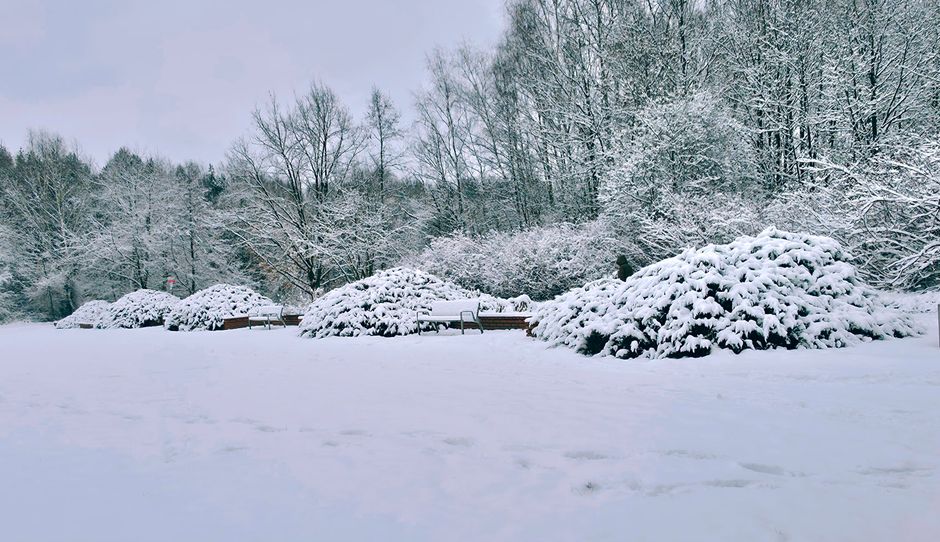
The common misconception is that January in Lapland means endless darkness and guaranteed Northern Lights. Neither is true. You get only a few usable daylight hours, but the snow is usually deep, the nights are long enough for aurora hunting, and husky tours run at full winter strength. The trade-off is serious cold, limited flexibility, and higher prices around peak holiday dates.
Is January a good time to visit Lapland?
January is the best month for deep winter conditions, not the easiest month for sightseeing. Snow cover is normally reliable across the main resort areas, and the low sun keeps the landscape bright enough for short daytime activities. The Northern Lights can appear on any clear, dark night, but no operator can guarantee them. Cloud cover, moonlight, solar activity, and your location all matter.
| Area | Typical mid-January daylight | Best fit | Main drawback |
|---|---|---|---|
| Rovaniemi | About 4.5 to 5.5 hours | First-time visitors, short trips, easy airport access | More visitors and artificial light |
| Levi | About 4 to 5 hours | Skiing, restaurants, organised winter activities | Transfers take longer from the airport |
| Saariselkä | About 3.5 to 4.5 hours | Quieter aurora viewing and wilderness scenery | Fewer transport options |
For a first trip, Rovaniemi is the strongest practical choice because you can combine a husky ride, an aurora outing, and a town-based evening without spending half the holiday in transit. Choose Saariselkä if darkness, quiet trails, and a remote feel matter more than convenience.
January also rewards flexible planning. Put the husky tour early in the stay and reserve at least two nights for aurora attempts. If clouds cancel the first outing, you still have another chance. A single-night visit creates the wrong expectation: one missed forecast can erase the entire Northern Lights plan.
How cold is Lapland in January?
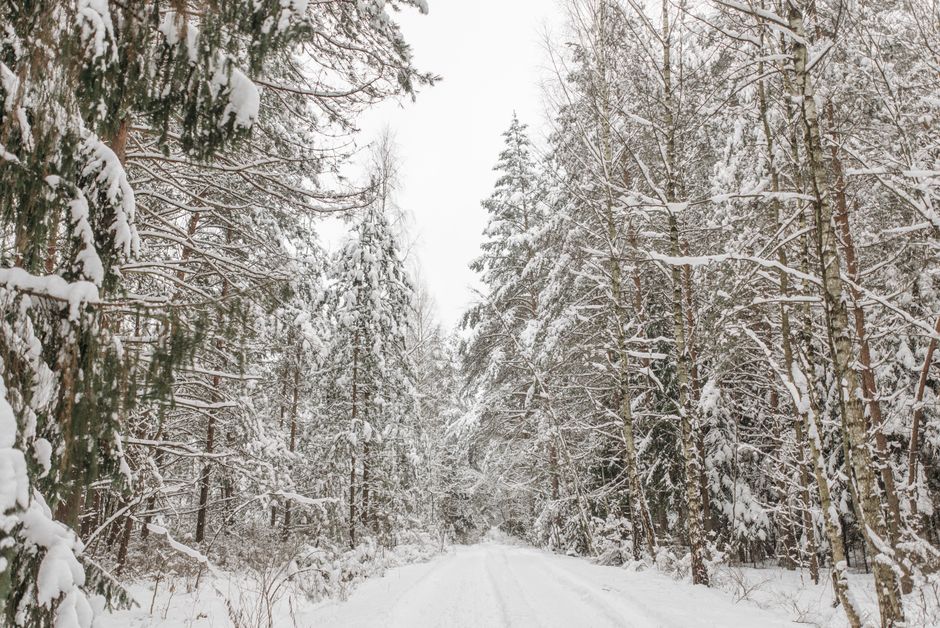
January cold changes the shape of the trip. In Rovaniemi, daytime temperatures often sit around -5°C to -15°C, while clear nights can fall below -20°C. Farther north, or during a cold spell, temperatures below -25°C are possible. Wind makes exposed skin feel colder, especially on a moving sled or snowmobile. A weather app showing -12°C does not tell you how cold an open husky trail will feel at speed.
Dress for still air and moving air
Use a four-part system: moisture-wicking base layers, an insulating middle layer, a windproof outer layer, and a warm boot system with room for thick socks. Tight boots are a mistake because compressed insulation loses warmth. Mittens usually keep fingers warmer than gloves, and thin liner gloves help when using a phone or fastening equipment. Cover your neck and cheeks before the first outdoor activity, not after they start hurting.
Protect batteries, skin, and travel time
Cold drains phones and camera batteries quickly. Keep spare batteries inside an inner pocket, and carry a power bank close to your body. Apply a rich face cream before going out, use lip balm, and avoid exposing damp skin. Sunglasses still help on bright snow, even when the air feels dark and flat.
Plan shorter outdoor blocks than you would in ordinary winter weather. A two-hour husky ride followed by a warm indoor meal is more enjoyable than six hours outside with no recovery time. Children, older travellers, and anyone with circulation problems may need extra breaks. Ask the activity provider about minimum temperatures, refund rules, and what happens if the trail closes. Those policies matter more than glossy photographs.
The practical verdict is simple: January works for travellers who accept cold as part of the destination. If you dislike layering, cannot tolerate temperatures below -15°C, or want long walks between museums and cafés, late February or March is the better choice.
How should you plan a three-night husky and aurora trip?
Build the trip around weather flexibility rather than filling every hour. A three-night stay gives you enough room for one daytime sled activity and two possible aurora outings, but it is still short enough to keep costs under control.
- Choose the base first. Stay near the main town if this is your first visit and you do not want to drive on icy roads. A central base reduces transfer time and makes cancelled activities easier to replace.
- Book the husky activity for day two. Day one should absorb flight delays, equipment collection, and the shock of the cold. A two- to four-hour husky program gives you trail time without turning the whole day into a frozen endurance test.
- Reserve two aurora windows. Schedule the first outing on night one or two and keep the next night open. A clear-sky forecast is useful, but forecasts become less dependable several days out.
- Keep one indoor backup. A museum, sauna, local food tour, or relaxed café day prevents bad weather from ruining the itinerary. Do not treat every hour indoors as wasted time.
- Budget for the full trip. For 2026 planning, a rough three-night per-person budget might include €150–€450 for return flights from Helsinki, €180–€450 for shared accommodation, €120–€220 for a husky activity, €80–€180 for an aurora tour, and €60–€150 for meals and local transport. These are planning ranges, not quotes. This is not financial advice; it is a travel budget estimate.
Do not spend the entire budget on a glass-roof cabin and then cut the activities that brought you to Lapland. The experience depends more on time outside, reliable clothing, and a spare aurora night than on a luxury room.
Lapland January questions that change the plan
Can I see the Northern Lights every night?
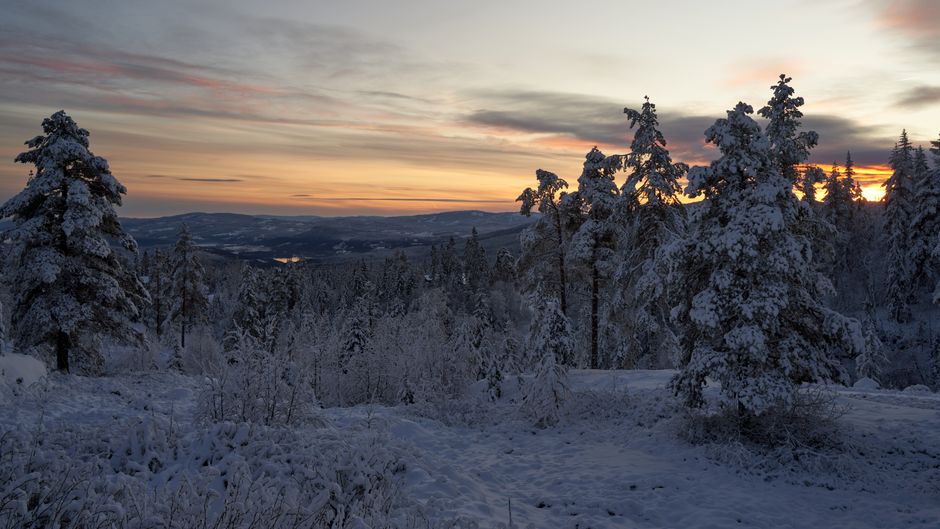
No. January offers long darkness, which improves the viewing window, but darkness alone does not create an aurora. Clouds can block the sky, and strong activity may happen while you are asleep or travelling. The clear verdict is to book at least two viewing opportunities and treat any sighting as a bonus rather than a promised part of the package.
Is husky sledding suitable for everyone?
Most visitors can manage a short guided ride, but the driver may need to stand on the runners and help control the sled. That takes balance and leg strength. Choose a passenger-only option if you have mobility limits, and ask how long you will remain outdoors. A shorter ride with a warm kennel area is the better choice for young children or anyone sensitive to cold.
Should I rent a car?
Not for a first three-night visit based in Rovaniemi. Transfers and organised activities cover the main experiences, while winter driving adds icy roads, limited daylight, and parking questions. A car becomes useful for a longer stay in a remote cabin, but it is not automatically the cheaper option after fuel, insurance, and transfers are counted.
How early should the husky tour start?
Midday is usually the safest practical slot because it uses the brightest part of the day. Early morning rides can be beautiful, but the combination of darkness and severe cold makes them less forgiving. Pick the daytime tour first; place aurora hunting after dinner.
The best January Lapland plan is short, flexible, and cold-proof
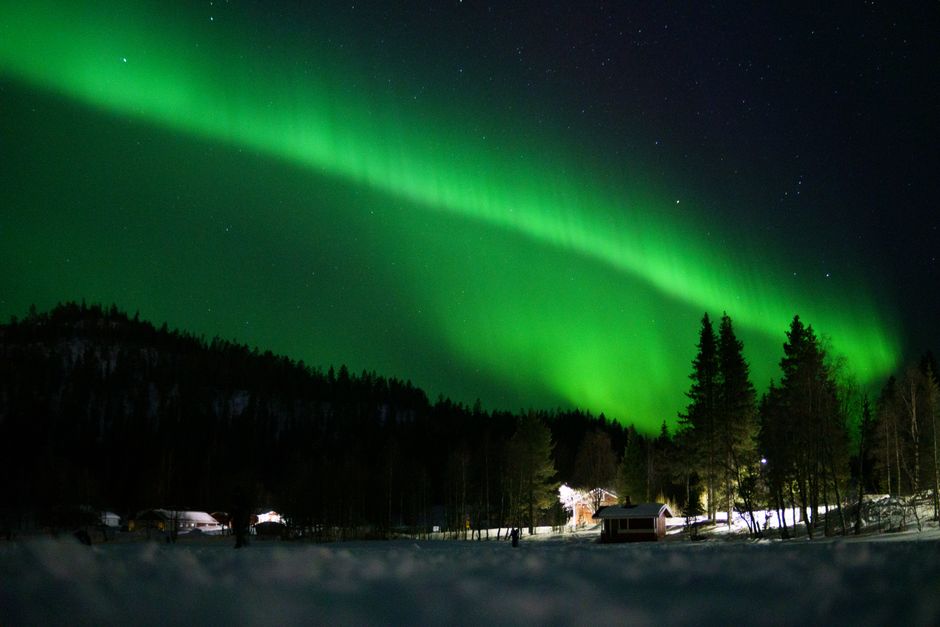
My recommendation is three or four nights in one base, with the husky ride booked early and two separate aurora chances protected. That plan gives you the strongest balance between snow conditions, daylight, cost, and recovery time. Adding three resorts to a short trip looks ambitious on paper but usually creates long transfers and less time outside.
Skip January if your main goal is green forests, long hikes, or warm café weather. Choose March instead for more daylight and a wider range of daytime activities. Skip a remote glass cabin if it forces you to cancel the husky ride or reduce the stay to two nights. A memorable trip needs enough time for weather to misbehave.
For the traveller who imagines stepping from a cabin into a silent snowy forest, January can deliver that scene. The realistic version includes frozen phone batteries, a dark afternoon, expensive transfers, and at least one cancelled plan. Build around those facts, and the original dream becomes more likely: two quiet nights under the sky, one energetic husky run, and enough warmth indoors to enjoy both.