
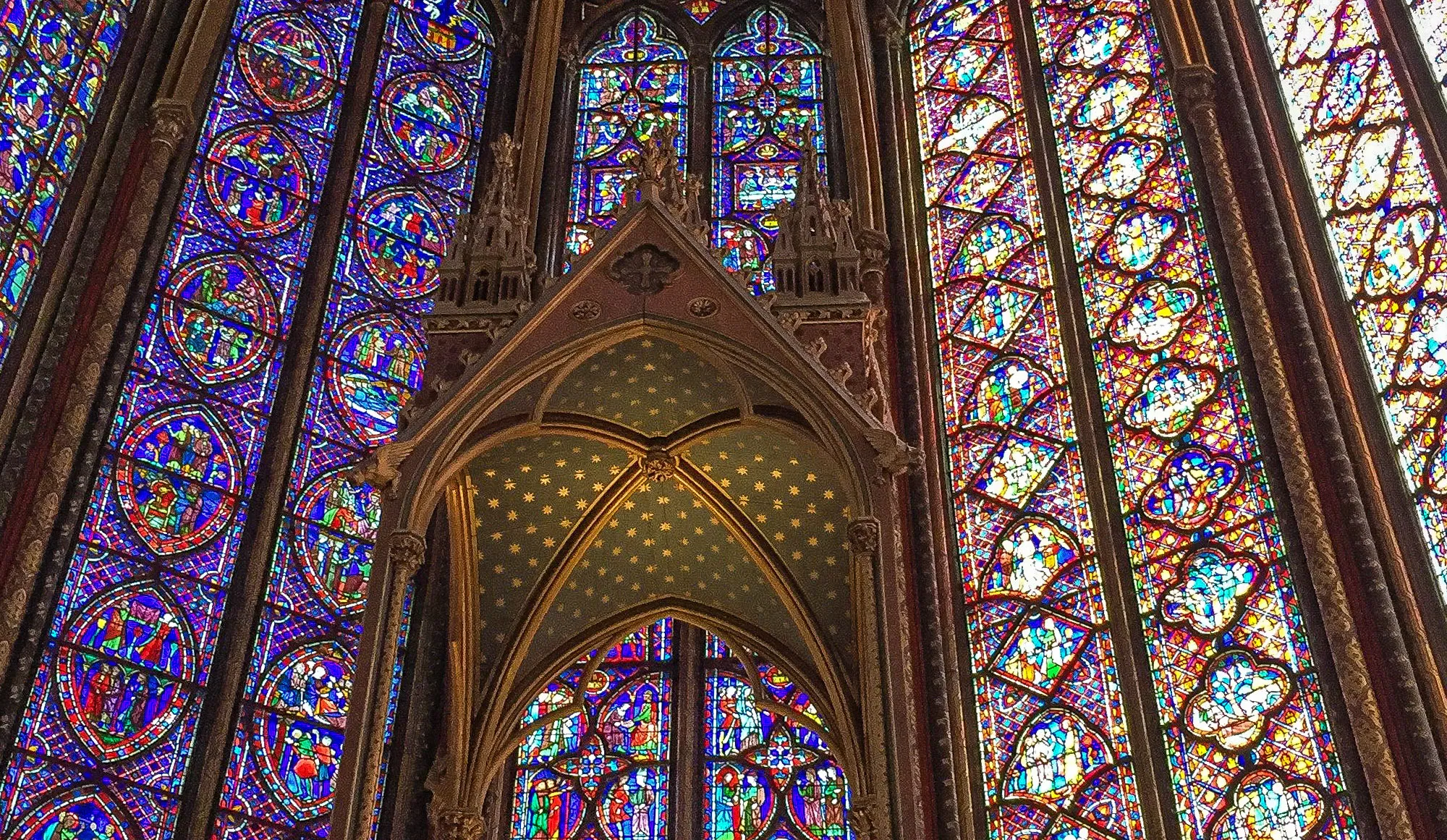
Many Paris visitors treat Sainte Chapelle as a quick stop. Just another old church. They might rush through, expecting a miniature Notre Dame, then leave underwhelmed. This approach misses the point entirely. Sainte Chapelle offers an experience unlike any other in Paris. It is a jewel box of light, not a grand basilica. Its purpose was unique. Understanding this distinction changes everything. Failure to grasp its true identity is the first mistake. It colors every other aspect of a visit.
The Core Misconception: Not Just Another Gothic Church
Sainte Chapelle is often compared to Notre Dame. This is a fundamental error. They are both Gothic. They are both in Paris. The similarities end there. Notre Dame is a cathedral. It’s vast, imposing, built for public worship, a community hub for centuries. Sainte Chapelle is a royal chapel. It’s intimate, vertically aspiring, designed for a king’s private devotion. Its scale and function are entirely different. Missing this means missing its essence.
King Louis IX, later Saint Louis, commissioned Sainte Chapelle in the mid-13th century. This was not a public church project. It was a private reliquary. Its purpose was to house his collection of Passion relics, most notably the Crown of Thorns. He paid an immense sum for these relics, far more than the cost of building the chapel itself. The architecture reflects this singular purpose. The structure is largely a glass cage. This design choice elevates the relics, surrounding them with divine light. Notre Dame, by contrast, emphasizes monumental stone, intricate carvings, and robust structural elements. It stands as a testament to communal faith over centuries. Sainte Chapelle is a personal testament to one king’s piety.
Its architectural style, Rayonnant Gothic, represents a specific evolution. It prioritizes lightness, transparency, and the dissolution of walls into stained glass. Earlier High Gothic, seen in Notre Dame’s initial construction, focused on massive structures and grand, solid forms. Rayonnant aimed for ethereal effects. Walls receded. Windows expanded. The stone skeleton became thinner, almost invisible. This allows the light to dominate. Visitors who expect the solemn, cavernous feel of a traditional cathedral will be surprised. And potentially disappointed, if they don’t adjust their expectations.
The Royal Chapel’s Unique Purpose
The Chapel Royal concept was not new. European monarchs often had private chapels within their palaces. Think of Westminster Abbey’s Lady Chapel. But Sainte Chapelle pushed this idea to an extreme. It was not just a chapel; it was a glorified reliquary. Louis IX wanted a fitting, almost heavenly, container for relics he believed were directly from Christ’s Passion. The entire design flowed from this. Every architectural choice, every pane of glass, served to frame and honor these sacred objects. This makes it a spiritual statement, carved in stone and painted in glass, for a single patron.
Distinguishing Rayonnant Gothic from High Gothic
Rayonnant Gothic is a specific phase of Gothic architecture. It flourished in France during the 13th and early 14th centuries. Its key identifier is the emphasis on enormous windows, reduced wall space, and a refined, linear tracery in the stained glass. The goal was to create spaces flooded with light. High Gothic, exemplified by Notre Dame, still featured substantial wall areas, darker interiors, and heavier structural elements. The vaults were high, but the overall impression was one of immense stone. Sainte Chapelle, with its nearly total lack of opaque wall in the upper chapel, is the pinnacle of Rayonnant design. It’s a structure almost entirely of light and color, a true architectural marvel.
Navigating the Crowds: When to Visit Sainte Chapelle
The beauty of Sainte Chapelle is no secret. Its relatively small size means it fills quickly. Expecting a quiet, contemplative experience during peak hours is a mistake. Savvy visitors plan around the crowds. Understanding the flow means a better visit. Most tourists arrive mid-morning, between 10:00 AM and 1:00 PM, and again in the afternoon from 2:00 PM to 4:00 PM. This creates significant queues and a packed interior. The goal is to avoid these peak times.
Early mornings are best. Arriving right at opening, usually 9:00 AM, offers a quieter experience. Late afternoons, just before closing, can also work, but light conditions might be less ideal for viewing the stained glass. The optimal light for the upper chapel’s windows occurs from mid-morning to early afternoon, usually 10:30 AM to 2:30 PM. This creates a dilemma: best light vs. fewest people. For many, experiencing the stained glass with fewer distractions outweighs perfect light. Therefore, the very first hour after opening is often the best compromise. Weekdays are generally less crowded than weekends.
Consider also the seasonal impact. Summer months, particularly July and August 2026, will see the highest tourist numbers. Expect longer lines and denser crowds inside. Spring and fall offer a better balance of weather and visitor traffic. Even in these seasons, aim for early arrival. The security check for the Palais de la Cité complex, which houses Sainte Chapelle and the Conciergerie, can add significant wait times before you even reach the chapel entrance. Factor this into your planning.
| Time Slot | Crowd Level | Light Quality (Upper Chapel) | Recommendation |
|---|---|---|---|
| 9:00 AM – 10:00 AM | Low to Moderate | Good, improving | Best for fewer crowds. Prioritize peace. |
| 10:00 AM – 1:00 PM | High | Excellent | Avoid if possible. Very busy. |
| 1:00 PM – 3:00 PM | High | Excellent to Good | Still busy. Consider other times. |
| 3:00 PM – 5:00 PM | Moderate to High | Good, diminishing | Better than mid-day. Fewer group tours. |
| 5:00 PM – Closing | Moderate | Diminishing | Decent option for shorter waits, but light fades. |
Weekday Mornings vs. Weekends
Weekday mornings, specifically Tuesday through Thursday, before 10:00 AM, are consistently the least crowded times to visit. Many tour groups target weekend mornings or Monday afternoons. Avoid Saturdays and Sundays if a serene experience is important. The additional local visitors and weekend tourists significantly increase wait times and internal congestion. If a weekend visit is unavoidable, still aim for opening time. The difference between 9:00 AM and 10:00 AM on a Saturday can be stark.
Seasonal Considerations: Summer 2026 and Beyond
Summer in Paris (June, July, August 2026) brings peak tourist season. This means longer lines and more people everywhere, including Sainte Chapelle. If visiting during these months, arriving at opening is not just recommended; it’s almost mandatory for a pleasant experience. Conversely, the shoulder seasons (April-May, September-October) offer milder weather and slightly fewer crowds. Winter months (November-March, excluding holidays) typically present the fewest visitors, though daylight hours are shorter, affecting the stained glass’s brilliance. Plan accordingly based on your priorities for light versus crowd size.
Beyond the Stained Glass: Overlooking Architectural Detail
The stained glass of Sainte Chapelle is mesmerizing. It’s arguably its most famous feature. But fixating solely on the glass means missing a wealth of other significant architectural and decorative elements. This is another common mistake. The chapel is a complete work of art, from its foundations to its vaulted ceilings. Its details tell a story beyond the light shows. Take time to look beyond the obvious.
- The Lower Chapel: Many rush through the lower chapel, eager to reach the upper level. This is a disservice. The lower chapel, dedicated to the Virgin Mary, served the palace staff. Its rich decoration, though darker, is equally intricate. Note the vibrant blues and reds, the delicate frescoes, and the columns adorned with fleurs-de-lis and castles, representing Louis IX and his mother, Blanche of Castile. The vaulting is lower, creating a more intimate, protective space. Look for the small, carved figures in the spandrels above the arches. These details offer insight into medieval craftsmanship and royal symbolism.
- The Statuary: In the upper chapel, between the massive stained glass windows, stand twelve statues of the Apostles. These are original 13th-century works, though some have seen significant restoration. Each apostle holds a consecration cross, marking points where the chapel was anointed during its dedication. These figures provide a sense of scale and offer a moment to appreciate the sculptors’ skill amidst the overwhelming light. They anchor the spiritual narrative within the dazzling space.
- The Reliefs and Carvings: Pay attention to the carved stone plinths beneath the windows, the small decorative motifs, and the intricate patterns that frame the glass. These are not merely structural. They are part of the chapel’s integrated artistic program. The choir screen, though largely reconstructed, shows the elaborate work that once separated the king from his court. Even the small details on the floor, though worn, echo the grandeur above.
- The Great Rose Window: While still stained glass, the western rose window demands specific attention. It depicts scenes from the Apocalypse. Unlike the linear narrative of the other windows, the rose presents a swirling, intense vision. Its intricate tracery is a masterpiece of Rayonnant design, dating from the late 15th century, a later addition that perfectly complements the earlier glass.
The Lower Chapel’s Hidden Meanings
The lower chapel, often overshadowed by its luminous upstairs counterpart, is a treasure in itself. Its decoration, while different, is rich with symbolism. The alternating blue and red columns, adorned with the golden fleur-de-lis of France and the castles of Castile, boldly declare the royal lineage. This space was intentionally distinct. It was designed to impress and provide solace for the hundreds of palace staff who lived and worked in the Palais de la Cité. It offers a grounded, earthly beauty that contrasts with the heavenly aspirations of the upper chapel. Understanding this dual purpose enhances the appreciation of the entire structure.
Tracing Louis IX’s Vision in the Upper Chapel
The upper chapel is Louis IX’s ultimate statement of piety and power. Every element here, from the soaring vaults to the narrative windows, serves to glorify Christ and, by extension, the king who rescued His relics. The stained glass panels tell the biblical story from Genesis to the arrival of the relics in Paris. This isn’t just decoration; it’s a visual sermon, a theological statement. Tracing these narratives, even if just a few, reveals the depth of the king’s faith and the meticulous planning behind the chapel’s design. The structure itself is a physical manifestation of his spiritual vision.
How to Maximize Your Sainte Chapelle Experience
A visit to Sainte Chapelle can be truly transformative. However, many leave feeling overwhelmed or rushed. Maximizing the experience requires some deliberate planning and a shift in perspective. It’s not about speed. It’s about immersion. Here’s how to ensure you get the most out of your time.
Is a Guided Tour Essential?
A formal guided tour is not strictly essential, but it can significantly enrich your visit. The information panels inside are good, but a human guide offers context, stories, and answers questions in real-time. Guides often point out details you might otherwise miss. If you prefer independent exploration, consider an audio guide or a good guidebook for historical context. However, for a deeper understanding of the biblical narratives in the windows or the architectural nuances, a knowledgeable guide provides invaluable insight. For those on a tight schedule, a guided tour ensures you hit the highlights efficiently without feeling lost.
What Should I Read Before My Visit?
Reading up beforehand is highly recommended. Understanding the historical context of Louis IX, the significance of the Crown of Thorns, and the specific characteristics of Rayonnant Gothic architecture will elevate your appreciation. Look for general histories of medieval France or specific books on Gothic art and architecture. Even a quick read of the chapel’s Wikipedia page or official website can provide crucial background. Knowing the biblical stories depicted in the stained glass can also help you interpret the windows more effectively. This preparatory knowledge turns a sightseeing trip into an educational journey.
What Photography Gear is Recommended?
For capturing the essence of Sainte Chapelle, a wide-angle lens is invaluable. The chapel is tall and relatively narrow, making it challenging to photograph its full grandeur without a wider perspective. Modern smartphone cameras often have wide-angle modes that work well for this. Tripods are generally not permitted inside, so you’ll rely on handheld shots. Focus on capturing the vibrant colors and the way light streams through the glass. Experiment with different angles from both the lower and upper chapels. Remember to be respectful of others and the sacred space when taking photos.
The Reverence of Relics: Why Sainte Chapelle Was Built
To truly grasp Sainte Chapelle, one must understand its raison d’être: the relics. The idea that this magnificent structure was built primarily as a glorified reliquary is often overlooked. It’s easy to see the dazzling stained glass and forget the precious objects it was designed to protect and venerate. This is a profound mistake. The chapel is a monumental jewel box, crafted specifically to house the Crown of Thorns and other Passion relics, purchased by King Louis IX. Its architectural brilliance is a direct consequence of the immense spiritual value placed on these items.
King Louis IX acquired the Crown of Thorns in 1239. He reportedly paid an astronomical sum, believed to be significantly more than the cost of building Sainte Chapelle itself. For Louis, this was not mere acquisition; it was an act of profound devotion. He personally carried the Crown through the streets of Paris, barefoot, to its temporary resting place. Constructing Sainte Chapelle was the logical next step: a fitting, awe-inspiring shrine. It was a tangible expression of his piety and cemented Paris’s status as a ‘New Jerusalem,’ a center of Christendom. The entire design of the upper chapel, particularly the almost complete dissolution of stone into glass, was conceived to create a heavenly light, a divine glow around the relics.
The chapel’s structure, therefore, is inseparable from its sacred contents. The stained glass panels tell the entire biblical story, culminating in the Passion of Christ, directly relevant to the relics it housed. This was a place for intense, personal worship, a direct connection to Christ’s suffering. The chapel served as the king’s private sanctuary, a space where he could contemplate these holy objects. It wasn’t just a place of beauty; it was a testament to faith, a relic in itself, designed to elevate the spiritual experience of viewing the ultimate relics.
King Louis IX and the Crown of Thorns
King Louis IX’s devotion to the Crown of Thorns was legendary. He viewed its acquisition as a pivotal moment, a divine blessing for France. The Crown, believed to be the one placed on Christ’s head during his crucifixion, represented a direct link to the New Testament. Louis also acquired fragments of the True Cross and other instruments of the Passion. These weren’t mere curiosities. They were powerful symbols of faith, capable of inspiring devotion and legitimizing his rule. His personal carrying of the Crown through Paris demonstrated his profound humility and reverence, a powerful public display of piety that resonated deeply with his subjects. Sainte Chapelle was the ultimate expression of this veneration.
The Reliquary’s Dispersal During the Revolution
The original relics remained in Sainte Chapelle for centuries. They were a major pilgrimage draw. However, the French Revolution in the late 18th century brought radical change. The chapel was desacralized and repurposed, becoming an administrative office. The precious relics were dispersed. The Crown of Thorns and other Passion relics were moved to Notre Dame Cathedral for safekeeping, where they remained until the 2019 fire. While the physical relics are no longer housed within Sainte Chapelle, their original presence and the profound spiritual significance they held for King Louis IX are fundamental to understanding the chapel’s design and purpose. The empty niche where they once stood is a potent reminder of its true history.
Sainte Chapelle’s Legacy in 2026
Visitors who approach Sainte Chapelle merely as another stop on a Paris itinerary miss its profound impact. It is not just a building. It is a spiritual statement, a testament to medieval artistry, and a unique architectural marvel. Understanding its true nature—a royal reliquary of unparalleled light—transforms a quick glance into a lasting memory. In 2026, as in centuries past, Sainte Chapelle continues to dazzle, provided you know how to truly see it.