
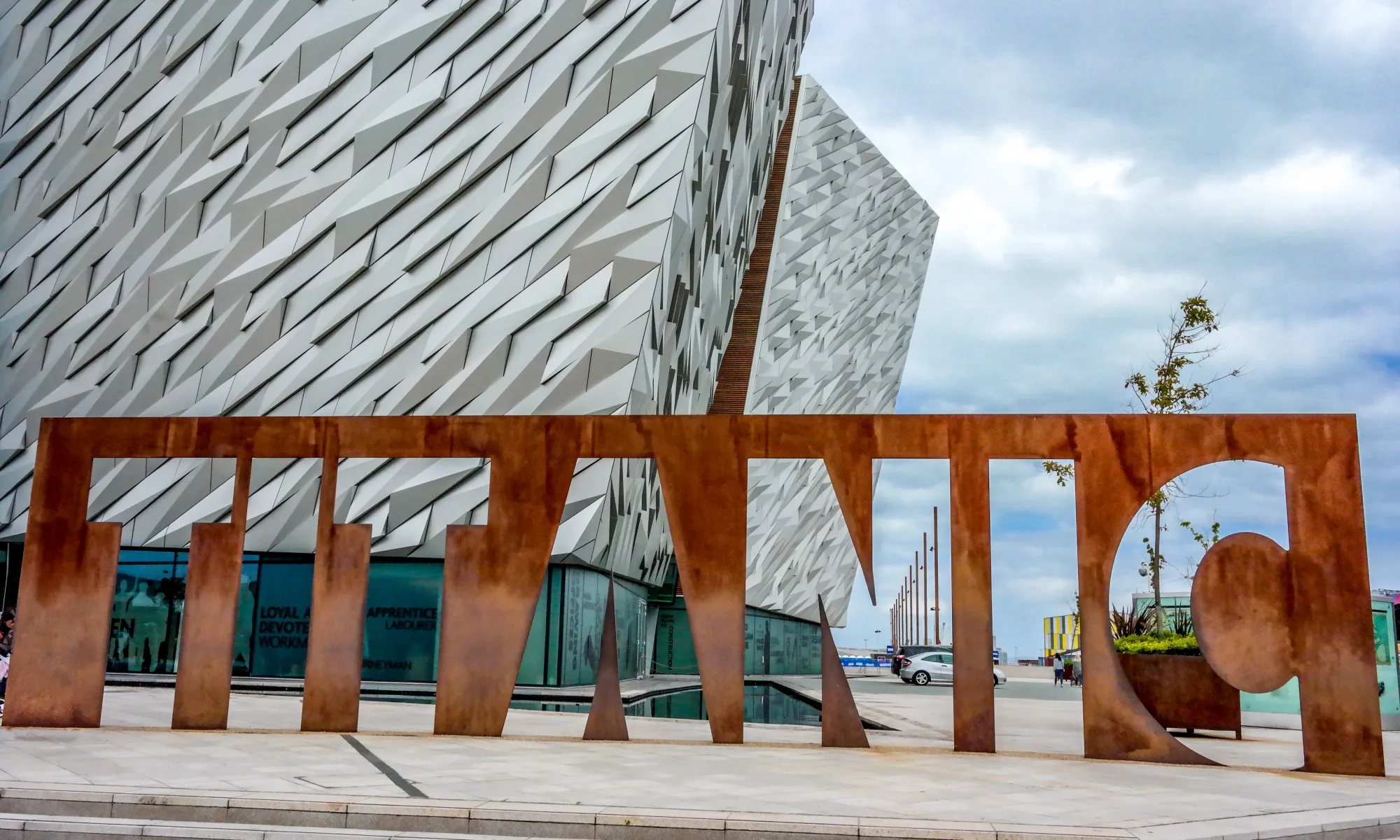
Listen up. You’re heading to Belfast, and someone mentioned Titanic Belfast. Good. It’s not just another museum. It’s a full experience. This guide cuts the fluff and tells you exactly what to expect, how to navigate it, and if it’s even worth your precious travel time. No BS. Let’s get to it.
Is Titanic Belfast Worth Your Time?
Yes. Absolutely. Don’t overthink it. Titanic Belfast is a world-class attraction for a reason. It delivers a deeply immersive, historically rich experience that goes far beyond just the ship’s tragic end. Some people think it’s just about the sinking. It’s not. It’s about the people who built it, the city that birthed it, and the grand ambitions that went into creating the largest ship in the world at the time.
You’re not just looking at artifacts behind glass. You’re walking through recreations of the shipyard, experiencing the noise, seeing the scale of the original slipways. It’s genuinely moving, sometimes overwhelming, and always thought-provoking. If you have even a passing interest in history, engineering, or human ambition and folly, you need to go.
Beyond the Wreckage: What You Really See
The experience starts with Belfast itself – the booming industrial city of the early 20th century. You’ll learn about Harland & Wolff, the shipbuilding giant, and the thousands of workers who built the Titanic and her sister ships, Olympic and Britannic. The museum expertly blends personal stories with the larger historical narrative. You see the blueprints, the riveters at work (simulated, of course), and the sheer audacity of the project. This isn’t just about a boat hitting an iceberg. It’s a story of engineering marvel, class divides, and a global event that reshaped maritime safety.
The interactive exhibits are a standout. You take a simulated ride through the shipyard, a genuinely impressive feat of design. You’ll see detailed cabin recreations, learn about the ship’s opulent interiors, and understand the technological advancements of the era. The actual sinking and aftermath are handled with appropriate solemnity, focusing on human stories and the immediate impact. The discovery of the wreck and its exploration are also covered, bringing the story full circle. It’s detailed, respectful, and manages to be both educational and emotionally resonant without being gratuitous.
Who Should Go (and Who Shouldn’t)
Anyone with an interest in history, engineering, or simply a good story should go. Families with older children (8+) will find it engaging; there are enough interactive elements to keep them interested. Younger kids might struggle with the sheer volume of information and the more somber aspects, though some sections are visually stimulating. If you expect a light, fluffy tourist trap, you’ll be disappointed; this is a serious historical exhibit. If you think it will be depressing, you might be surprised by how much of it celebrates ingenuity and the spirit of Belfast before delving into the tragedy. Don’t skip it just because you know the ending.
Navigating the Titanic Belfast Experience
Don’t just wander aimlessly. There’s a flow here for a reason. The building itself is iconic, shaped like four ship hulls, standing exactly where the Titanic was designed and launched. Inside, the nine interpretive galleries guide you chronologically through the ship’s journey, from concept to discovery. Pace yourself; there’s a lot to take in. Allow at least three hours, but ideally four or more if you want to absorb everything.
You begin with the booming industrial Belfast of the early 1900s, setting the scene for the ambition that created the Titanic. Then, you move into the design and construction phases, where the scale of the undertaking becomes clear. The Shipyard Ride is a highlight here. It’s a dark ride that takes you through a simulated shipyard, giving you a sense of the immense scale and the conditions the workers faced. It’s well done and provides a crucial context.
First Steps: From Shipyard to Launch
The initial galleries focus on the Harland & Wolff shipyard. You’ll grasp the sheer manpower and engineering involved in building such a colossal vessel. The noise, the grime, the ambition – it’s all presented to give you a genuine feel for the environment. You’ll see original plans, understand the class system inherent in the ship’s design, and appreciate the craftsmanship involved in every detail, from the engine rooms to the opulent dining saloons. This section grounds the entire story in the reality of its creation, emphasizing Belfast’s role as a global shipbuilding powerhouse.
The launch gallery is next, offering panoramic views of the slipways where Titanic and Olympic were built. You’ll see the exact spots where history unfolded. The atmosphere here shifts, building anticipation for the ship’s maiden voyage. This part of the exhibit effectively conveys the excitement and pride that surrounded the Titanic before its ill-fated journey. It connects the grand scale of the ship with the very ground you’re standing on, creating a powerful sense of place and historical continuity.
The Maiden Voyage and Aftermath: An Immersive Journey
Once you’ve grasped the creation, the focus shifts to the ship’s short life and tragic end. This is where the emotional core of the museum lies. You’ll explore recreations of cabins and public spaces, showcasing the stark contrast between first, second, and third-class accommodations. The gallery detailing the maiden voyage and collision with the iceberg is handled with sensitivity. Personal testimonies, distress calls, and accounts from survivors paint a vivid picture of the events. It’s not sensationalized. The focus remains on the human element, the impossible choices made, and the devastating loss of life. You’ll hear the stories of individuals, adding a poignant depth to the well-known narrative.
The aftermath and inquiries sections delve into the scramble for rescue, the investigations that followed, and the lasting impact on maritime safety. This is where the story pivots from tragedy to reform, highlighting how the disaster led to fundamental changes in ship design and life-saving regulations, including the establishment of the International Ice Patrol. It’s a critical part of understanding the long-term legacy of the Titanic disaster, showcasing how immense loss can lead to significant progress in safety standards.
The Discovery: A Somber Conclusion
The final galleries take you almost a century forward to the discovery of the wreck in 1985 by Robert Ballard. This section uses underwater footage and imagery to explore the Titanic’s final resting place on the ocean floor. It’s a sobering reminder of the ship’s fate, but also a testament to human curiosity and technological advancement in exploration. The exhibit culminates in an ocean exploration center, often hosting temporary exhibitions related to deep-sea exploration or the Titanic’s ongoing conservation. It’s a powerful end to the journey, connecting the past to present-day understanding and preservation efforts. This final segment ensures the narrative extends beyond the immediate tragedy, embracing the ship’s enduring cultural and scientific significance.
Essential Tips for a Smooth Visit
Don’t show up unprepared. You’ll waste time and probably get frustrated. Here’s what you need to know:
- Book Tickets Online, Ahead of Time: This isn’t optional, it’s mandatory. Titanic Belfast is popular. Walk-up tickets are often sold out, especially during peak season or school holidays. Secure your spot, pick your time slot, and print or download your tickets to your phone. Don’t risk it.
- Allow Enough Time: Minimum three hours. Four is better. If you’re a history buff or like to read every plaque, budget five. Rushing through it defeats the purpose.
- Go Early or Late: First thing in the morning (opening time) or the last couple of hours before closing are typically less crowded. Mid-day is often a zoo, especially weekends.
- Wear Comfortable Shoes: You’ll be doing a lot of standing and walking. The exhibit is expansive.
- Consider an Audio Guide: It adds another layer of detail and personal stories. Not essential, but good for deeper dives.
- Accessibility is Good: The entire building is wheelchair and stroller accessible. Lifts are plentiful.
- Check Event Schedules: Sometimes there are special talks or temporary exhibits. A quick look at their website before your visit can enhance the experience.
Booking Smarter, Not Harder
Seriously, use the official website. Third-party sites exist, but direct booking ensures you have the most up-to-date information on opening times, availability, and any special events. Keep an eye out for any specific timed entry requirements. Some attractions now have staggered entry to manage crowd flow. Don’t assume you can just walk in whenever you like.
What Else to See Nearby
Titanic Belfast isn’t a standalone island. It’s part of the wider Titanic Quarter. Right next door, you’ll find the SS Nomadic, Titanic’s original tender ship. It’s a smaller, but still fascinating, attraction. Combo tickets are usually available and worth considering if you have the extra hour. Further along, the HMS Caroline, a WWI warship, is also open for tours. The entire area is steeped in maritime history. Take a walk around the slipways, see the original dock pump house, and soak in the scale of the place where these giants were built.
Common Visitor Questions Answered
How Long Does a Typical Visit Take?
Most visitors spend between 3 and 4 hours. This allows you to move at a comfortable pace, read most of the information, and experience all the interactive elements. If you’re rushing, you might do it in 2.5 hours, but you’ll miss a lot. If you’re a true enthusiast, you could easily spend 5+ hours.
Is It Accessible for Wheelchairs and Strollers?
Yes. Titanic Belfast is fully accessible. There are lifts to all floors, wide pathways, and accessible toilets. Strollers are welcome. They’ve designed it for broad accessibility, so don’t let mobility concerns deter you.
What Are the Food Options On-Site?
There are a few options. The Bistro 401 on the ground floor offers hot and cold meals, snacks, and coffee. It’s decent, but nothing gourmet. There’s also The Galley Café for lighter bites and drinks. Prices are standard for a major attraction. If you want something more substantial or a wider variety, there are other restaurants within walking distance in the Titanic Quarter, but you’ll need to factor in time to leave and re-enter, or just finish your visit first.
Comparing Ticket Options
Don’t just grab the first ticket you see. Know your options.
| Ticket Type | What It Includes | Typical Adult Price Range | Best For |
|---|---|---|---|
| Standard Admission | Entry to Titanic Belfast galleries only. | £22 – £25 | Visitors focused solely on the main exhibit; limited time. |
| Combined Ticket (Titanic Belfast + SS Nomadic) | Entry to Titanic Belfast and the SS Nomadic (Titanic’s original tender ship, docked nearby). | £28 – £32 | Those wanting a more complete Titanic story; a few extra hours. |
| Family Ticket (various sizes) | Entry for 2 adults + 2 children, or 1 adult + 3 children, etc. Varies by package. | £55 – £70 | Families looking for cost savings. |
| Annual Pass | Unlimited entry for one year. | £40 – £45 | Locals or frequent visitors to Belfast; if you plan to return. |
Standard vs. Combo: What’s the Real Deal?
The standard ticket gets you into the main building. That’s it. The combo ticket, usually with the SS Nomadic, is often the better value if you have the time. The SS Nomadic is a direct extension of the Titanic story, giving you a chance to walk on an actual White Star Line vessel. It provides excellent context to the main exhibit. It’s not just an add-on; it’s a valuable piece of the overall experience. Don’t skip it if you can fit it in. The small extra cost is usually worth the additional insight.
Booking Directly vs. Third-Party
Always book direct. Always. The official Titanic Belfast website is the most reliable source for tickets, accurate pricing, and current availability. Third-party vendors might offer packages, but you run the risk of hidden fees, outdated information, or less flexibility if plans change. Stick to the source for peace of mind.
The Titanic Quarter Beyond the Exhibit
Titanic Belfast is great, but don’t just visit the building and leave. The entire Titanic Quarter is a living monument. Walk the massive slipways where the Titanic and Olympic were built. See the Harland & Wolff cranes, Samson and Goliath, dominating the skyline. It’s the sheer scale of the historical industrial site that truly drives home the magnitude of the story. Don’t miss this bigger picture.