
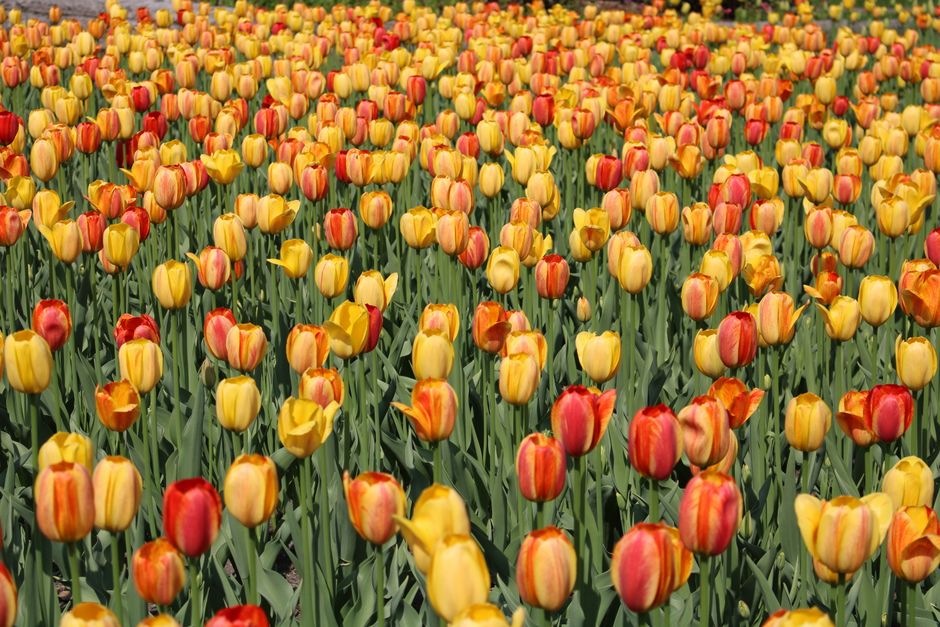
You have one free day near Amsterdam, a phone full of tulip photos, and a non-refundable hotel room. The mistake is treating Keukenhof and the bulb fields as the same attraction. They are not. Keukenhof is a timed, landscaped garden. The fields are working farmland spread across the Bollenstreek, and their color changes with weather, crop cycles, and harvesting.
For 2026, the practical plan is simple: choose your bloom window first, book Keukenhof for the morning, then use the afternoon for a legal walking or cycling route beside the fields. That order gives you the best chance of seeing real color without wasting hours in traffic.
How to plan a Keukenhof day that works
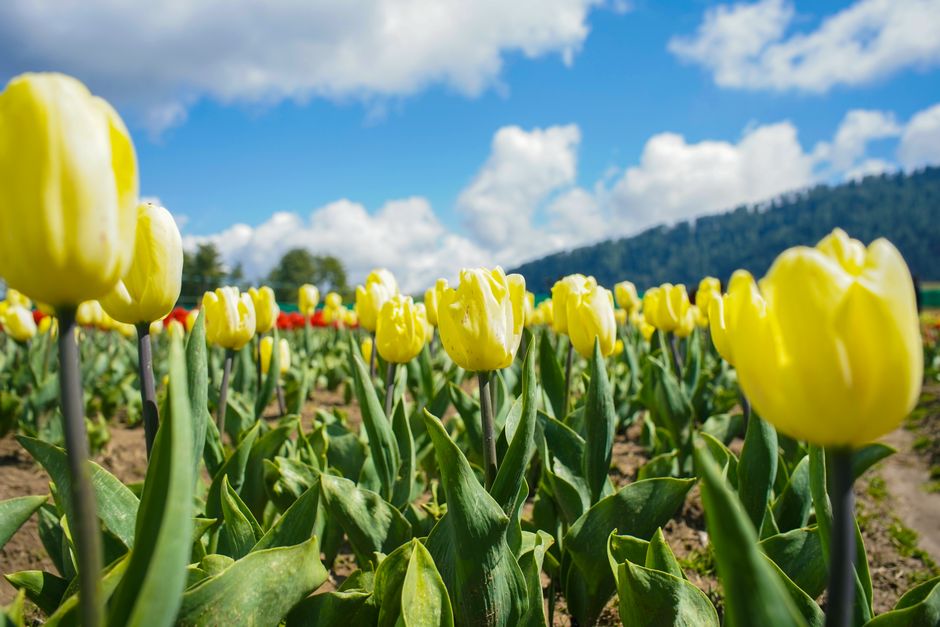
Book the first useful time slot
Keukenhof is open daily from 8:00 to 19:00 during the 2026 season, with entry closing at 18:15. Buy a dated ticket from the official Keukenhof ticket shop and choose an arrival slot. Online 2026 prices were published at €21 for adults, €10 for children aged 4 to 17, and €9 for car parking; check the live shop before paying because prices and availability can change.
- Book an arrival between 8:00 and 9:30 if you want the main paths before the largest crowds.
- Allow three to four hours inside. Two hours feels rushed once you include the pavilions, food stop, toilets, and photo pauses.
- Walk the quieter outer paths first, then return toward the central gardens when the park is busier.
- Use the map to choose two or three priorities. Trying to inspect every flower bed turns a pleasant visit into a march.
- Leave by early afternoon and continue to the surrounding area only if the weather and field updates justify it.
Do not confuse the garden with the countryside
Keukenhof is the reliable part of the day. Its beds are designed, maintained, and replanted for a continuous spring display. The fields outside are agricultural production sites. They may be spectacular, partly harvested, muddy, or hidden behind roads and buildings. That difference is not a flaw. It is the reason you should schedule both experiences instead of expecting one ticket to deliver everything.
For most visitors, the winning structure is an early park entry, a simple lunch, and a short afternoon route near Lisse. That gives you a controlled main attraction and enough flexibility to follow the actual bloom.
How to see the bulb fields without damaging them
The colorful rows are private farmland
The fields around Lisse, Hillegom, Noordwijkerhout, and De Zilk are not an outdoor theme park. Growers raise flowers and bulbs for commercial sale, and many fields sit directly beside public roads or cycle paths. A beautiful photo from the roadside does not mean the field is open to visitors. Assume every production field is private unless a clear sign says otherwise.
Do not step between the rows, sit in the crop, fly a drone over workers, pick flowers, or cycle across a planted field. Shoes can carry plant disease, and a single careless group can damage flowers and bulbs over a surprisingly large patch. The local tourism office asks visitors to take photographs from the edge and use designated flower attractions if they want a picture among the blooms. That rule protects the farms and makes the visit less hostile for the people who live there.
Use a route instead of chasing random color
Start with the current Bollenstreek Flower Map, then select a marked walking or cycling route. A published cycle loop of about 25 kilometres gives you a realistic half-day outing, while the Flower Walk around Lisse covers roughly 8 kilometres on mostly paved paths. Choose one. Trying to combine a full park visit, a 25-kilometre ride, and central Amsterdam in one day is bad planning.
What to do when a field is already cut
Bulb growers often remove the flower heads before the underground bulbs are harvested. That means a field can look green or freshly cut even during the official season. Move to another marked location, visit a flower attraction that permits entry, or switch to a garden, castle estate, or indoor flower show. The best backup is not trespassing in a less colorful field. It is accepting that agriculture runs on a production schedule, not an Instagram schedule.
The verdict is blunt: photograph the fields from public paths. If you want to stand among tulips, pay for a designated experience that has permission from the grower.
Which transport option saves the most time?
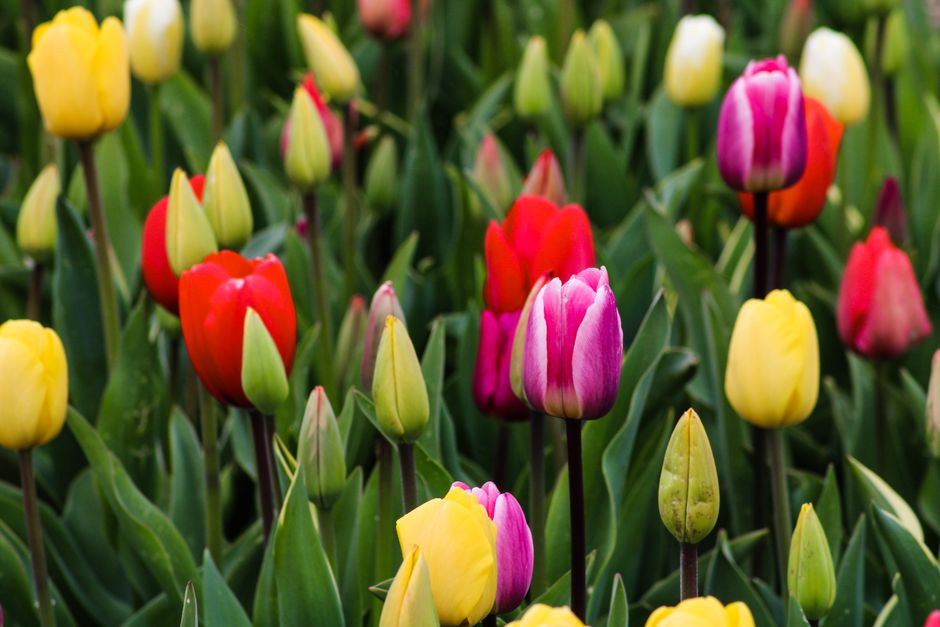
Public transport wins for a one-day visit
Driving from Amsterdam looks easy on a map and becomes less attractive near the park. Traffic builds on popular weekends, parking is limited, and the car does nothing for you once you arrive. The official Keukenhof combi ticket pairs park admission with a return bus journey, which is usually the cleanest option for visitors starting in Amsterdam, Leiden, Haarlem, or another connected location.
| Starting point | Best choice | Important detail |
|---|---|---|
| Amsterdam | Train to a regional connection, then Keukenhof bus or combi ticket | Leave an extra buffer for transfers and queues |
| Schiphol Airport | Check the current Keukenhof route before booking | Qbuzz reported that direct Schiphol departures were unavailable during 2026 works |
| Leiden or Haarlem | Keukenhof bus or a cycling route from the region | Good bases for combining the park with nearby fields |
| Rental car | Drive only if you also plan rural stops | Reserve Keukenhof parking separately; it is not included with entry |
Do not trust last year’s route map
Bus routes, departure points, and works around airports can change between seasons. Qbuzz operates the Keukenhof bus network, while NS handles the Dutch train system, but neither brand guarantees that a route you used in a previous year still runs from the same stop. Check the official Keukenhof travel guidance and the NS journey planner for your exact date.
My pick is public transport for a park-only day and a bicycle for a countryside day. Use a car only when it unlocks places beyond the normal bus network. Otherwise, you are paying for stress and parking to sit in the same traffic as everyone else.
What mistakes ruin a tulip visit?
The short answer: bad timing ruins more trips than bad weather
Do not book a midday weekend slot, assume every field peaks on the same date, or arrive without a route for the afternoon. The largest practical error is treating a viral photo as a live travel forecast. Bloom timing shifts, fields are harvested, and the most famous roads become crowded quickly. A second error is buying from a lookalike ticket website; Keukenhof says its official domain is the only safe place to purchase park tickets, so check the URL before entering payment details.
Four mistakes to remove from your plan
- Booking the wrong arrival time: a late morning slot leaves less daylight for the fields and puts you into the busiest part of the day.
- Planning only one photo stop: one field may be cut or past its best, so use a current map and keep two alternatives.
- Wearing delicate shoes: the park has paved paths, but rural routes can be wet, sandy, or muddy after rain.
- Entering a production field: the crop is not public space, even when there is no fence.
Pack a light waterproof layer, a charged phone, water, and shoes you can clean. Take screenshots of tickets and route details before you leave a station. These small choices matter more than buying an expensive camera.
The clear verdict: choose the earliest practical slot, check blooms twice, and build a backup route before departure. That is the difference between seeing flowers and spending the day managing avoidable problems.
What should you do if Keukenhof is not enough?
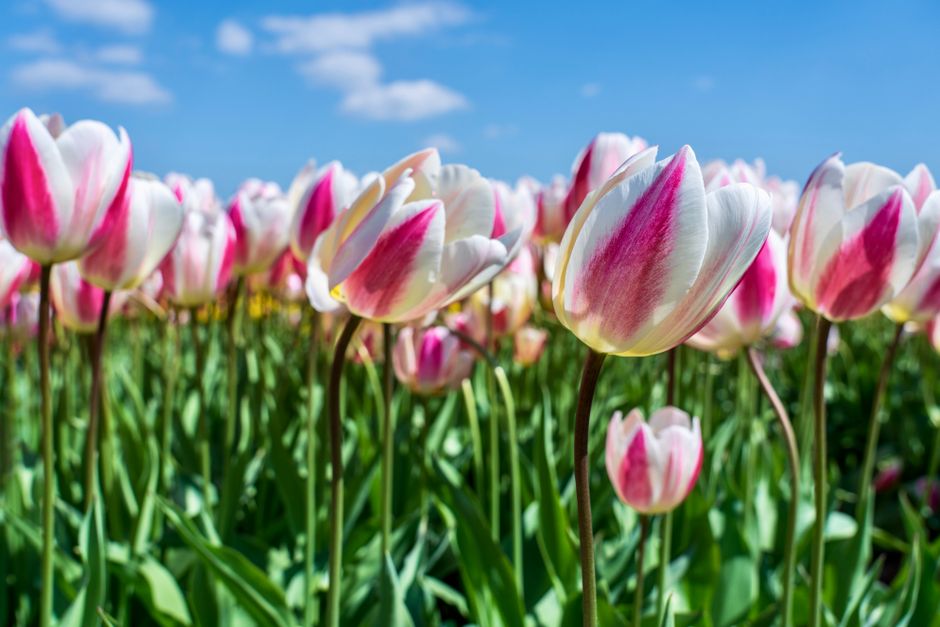
Is Keukenhof worth it for first-time visitors?
Yes. Keukenhof is the best first stop because it guarantees a concentrated display, clear facilities, accessible paths, indoor shows, food, and staff who can help when the weather turns. It is polished and crowded, but that is a fair trade for reliability. Give it at least three hours. If you only want open countryside and dislike timed entry, it should not be the center of your trip.
Should you choose the Bollenstreek or Flevoland?
Choose the Bollenstreek for a simple day from Amsterdam, Leiden, or Haarlem. It puts the park, villages, cycle routes, and many bulb fields close together. Choose the Noordoostpolder in Flevoland when you have a car and want broader agricultural landscapes with fewer international visitors. It is a poor substitute if you need a quick add-on from Amsterdam, but a better choice for photographers who value space over convenience.
What is the best final itinerary?
For a first trip, spend the morning at Keukenhof, eat near Lisse, and follow one marked walking or cycling route in the afternoon. Check the Bollenstreek Flower Map before setting out, and replace a weak field stop with a permitted flower attraction. Do not force the fields into the schedule if the current bloom report is poor.
My specific recommendation is mid-April 2026, an early Keukenhof entry, public transport to the park, and a short afternoon route beside the fields. That plan gives first-time visitors the most dependable mix of flowers, countryside, and manageable logistics.