
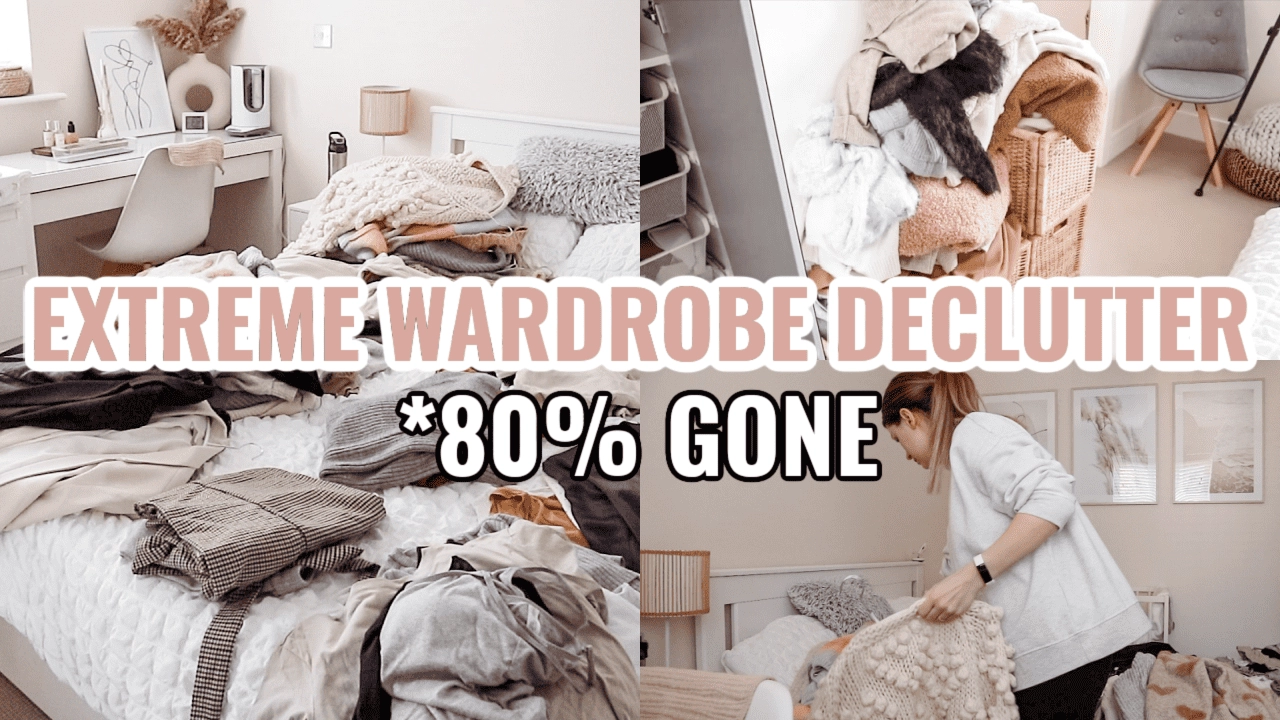
Before You Start – The Prep Work (30 Minutes That Save Hours)
Starting your wardrobe decluttering can feel overwhelming, but a little prep saves tons of time later. Here’s how to get ready in just 30 minutes:
Gather Your Supplies
Prepare these labeled bags or boxes to sort items quickly:
| Label | Purpose |
|---|---|
| Keep | Clothes you love and wear |
| Donate | Items in good condition |
| Sell | High-quality pieces to sell |
| Repair | Pieces needing fixing |
| Trash | Worn-out or damaged clothes |
Choose the Right Time
Set aside a distraction-free block, ideally:
- Weekend morning or a day off
- Play your favorite upbeat music
- Turn off phone notifications
- Make sure no interruptions will happen
Take a Before Photo
Snap a quick picture of your closet or drawers.
It’s motivating to see progress later and keeps you honest during the process.
These simple prep steps make decluttering faster and smoother—saving you hours down the line.
The Exact 5-Step “Love & Wear” Decluttering Method
Here’s a simple, foolproof way to tackle your wardrobe decluttering without second-guessing yourself:
-
Empty Everything Out
Take everything off your hangers, out of drawers, and lay it all on your bed. Seeing your whole wardrobe in one place gives you the full picture and breaks the overwhelm.
-
Sort by Category
Group items into clear categories: tops, bottoms, dresses, jackets, shoes, bags, and jewelry. Sorting this way helps you compare similar pieces and spot duplicates or gaps.
-
Ask Your Two Key Questions for Every Item Do I truly love this? (Go with your gut feeling here. If you hesitate, be honest.) Have I worn it in the last 12 months OR would I buy it again today? If the answer to either is no, it’s time to say goodbye. Make Immediate Decisions — No “Maybe” Pile Allowed
Sort each item straight into Keep, Donate, Sell, Repair, or Trash. Avoid setting aside a “maybe” pile—it only drags out the process and adds clutter.
-
Try On Only Borderline Pieces
If you’re unsure, give yourself a limit of 10 items max to try on. Sometimes fit or feel is the deciding factor, so this step helps you be clear without wasting time.
This method cuts through decision fatigue and keeps your focus sharp, so you only keep what you truly love and actually wear. For organizing your keepers, check out tips on visible storage and capsule wardrobe essentials that make your daily dressing effortless.
How to Know If You Truly “Love” Something (With Examples)
Knowing if you truly love a piece of clothing goes beyond just liking how it looks. Ask yourself:
- Does it make me feel confident, attractive, or comfortable the moment I put it on? That instant good vibe is a clear sign.
- Would I pack this first for a vacation? If it’s the go-to item, it means you value it highly.
- Do I get compliments when I wear it, or does it make me feel like “myself”? Clothes that reflect your personality and boost your confidence belong in your wardrobe.
Watch out for red flags like saying, “I love it, but it doesn’t fit my life anymore.” Emotional attachment is real, but if the item no longer suits your lifestyle or daily needs, it’s time to let it go. This emotional check helps you keep only what truly fits your present self and style.
The “Wear” Test – Be Brutally Honest
When decluttering, the “Wear” test is your reality check. Start by turning all your hangers backward—this simple 6-month proof method helps track what you actually wear. Over time, the hangers of clothes you pull out will flip to the correct direction, while untouched items stay backward. This visual cue makes decision-making easier and beats guesswork.
Next, review your laundry history. Use apps if you keep track, or just rely on memory. Ask yourself: have I worn this item in the last 12 months? If it’s been worn 0–2 times, it’s time to say goodbye. Exceptions might include special occasion pieces or seasonal clothes, but even these should be limited.
Being honest here saves major decision fatigue when dressing, making your wardrobe truly functional—not just full. This helps build a sustainable fashion declutter routine that keeps your closet lean and loved.
What to Do With Everything That Didn’t Make the Cut
After sorting through your wardrobe with the “love & wear” rule, you’ll have items that didn’t make the cut. Here’s how to handle them responsibly and sustainably:
Sell:
List your best quality pieces on platforms like Poshmark, Depop, or Facebook Marketplace. Local consignment shops are also great options if you prefer in-person selling. Focus on items that are current, gently used, and in good condition to get the best return.
Donate:
Clothes still in good shape can make a real difference when donated to women’s shelters or organizations like Dress for Success. If items are too worn for donation, look for textile recycling programs that turn old fabric into new products.
Repurpose/Upcycle:
Get creative with unusable pieces! Turn old T-shirts into quilts or cleaning rags to reduce waste and give your clothes a second life.
Responsible Disposal:
For damaged items beyond repair, avoid landfill by finding responsible disposal methods like textile recycling points in your community.
Handling your clothes this way not only declutters your wardrobe but also supports sustainable fashion and reduces environmental impact. For more ideas on sustainable living, check out guides like the locals\’ guide to Los Angeles for inspiration on eco-friendly habits in everyday life.
Organizing the Keepers So You Actually Wear Them
Once you\’ve decided what to keep, organizing your wardrobe thoughtfully helps ensure you actually wear those pieces. Aim for a balanced capsule wardrobe—mostly versatile basics that mix and match easily—with a few statement pieces to express your style. A good ratio might be around 70% basics and 30% standout items.
Use visible storage tricks to make your wardrobe inviting and easy to navigate:
- Color code your clothes to quickly find what you want and create an aesthetically pleasing closet.
- Invest in uniform hangers for a neat, cohesive look that saves space.
- Add shoe shelves or clear boxes so you can see your entire collection without digging.
Finally, adopt the “one in, one out” rule right from day one. Every time you bring in a new item, remove one old piece. This keeps your wardrobe manageable and reduces the risk of clutter creeping back.
For more ideas on organizing and maintaining a streamlined lifestyle, consider planning a relaxing weekend getaway—like a day trip to Mount Rainier—to recharge and keep your mindset fresh.
Maintaining Your New Wardrobe Long-Term
Keeping your wardrobe clutter-free and functional takes ongoing effort, but a few smart habits make it easy to maintain:
-
30-day no-buy challenge after decluttering: Give yourself a full month without buying any new clothes. This helps break impulse shopping habits and lets you fully enjoy your streamlined collection.
-
Seasonal mini-reviews: Twice a year, in spring and fall, do a quick check. Remove anything that no longer fits, feels outdated, or you simply haven’t worn in the past season.
-
Smart shopping rules: Only buy new items if you’re replacing something worn out or filling a definite gap. This prevents overcrowding and supports a minimalist wardrobe women can actually use.
-
Yearly wardrobe audit: Once a year, do a deeper review similar to your initial declutter. It keeps your closet aligned with your style, lifestyle, and evolving needs — and saves decision fatigue dressing every morning.
Developing these habits ensures your wardrobe stays practical, enjoyable, and full of clothes you truly love and wear for years to come. For more on seasonal living and organizing, check out travel-inspired tips like Japan adventures in cuisine where seasonal planning is key.
Real Before & After Stories (With Numbers)
Seeing real results can be the motivation you need to start your own wardrobe decluttering journey. Here are two inspiring case studies that show the power of keeping only what you truly love and wear.
Case Study 1: From 300 to 67 Items (Working Professional)
Sarah, a busy marketing manager, started with about 300 clothing items scattered between her closet and drawers. After using the love and wear decluttering method, she pared down to just 67 pieces. Her wardrobe now feels light, functional, and intentional. Sarah says, “I spend half the time getting dressed every morning and feel more confident knowing everything fits my style and schedule.”
Case Study 2: From 8 Feet of Hanging Clothes to 2 Feet (Stay-at-Home Mom)
Jessica, a stay-at-home mom juggling family life, had closets packed with clothes she rarely wore. By cutting that down from 8 feet of hanging space to just 2 feet, she created an easy-to-navigate wardrobe. Jessica shared, “Decluttering saved me at least 15 minutes every morning—time I now spend more with my kids instead of stressing over outfits.”
Time Saved Getting Dressed: Real Reader Quotes
- “Cutting my closet in half freed up 20 minutes every day—more time for coffee and less for decision fatigue.”
- “I don’t dread laundry piles as much because I only keep clothes I actually wear.”
These stories show that a focused, sustainable fashion declutter isn’t just about fewer clothes—it’s about more time, less stress, and a wardrobe that truly works for you. If you want to keep up with these success stories, a yearly wardrobe audit is a great habit to maintain your minimalist wardrobe essentials.
For more motivation from other lifestyle changes, check out tips on discovering new perspectives from city views, a reminder that fresh starts come in all forms.
Frequently Asked Questions
What if everything sparks joy but I never wear it?
It’s great if your wardrobe items bring positive feelings, but if you rarely wear them, they aren’t serving you practically. Ask yourself: would you buy this item again today? If the answer is no, it might be time to say goodbye. Keeping clothes that only spark joy without use leads to decision fatigue dressing and wasted space. Focus on pieces that combine love and wear, not one or the other.
What about sentimental items I never wear?
Sentimental items are tricky. If you truly want to keep them, limit the number and store them separately—out of your everyday closet. For example, a special scarf or a gift can stay in a memory box or a drawer. Otherwise, taking photos of these items can help preserve the memory without cluttering your space.
How small is too small?
If an item is physically uncomfortable or consistently doesn’t fit right—even if you hope it might someday—it’s time to let it go. Keeping clothes “just in case” creates clutter and emotional drag. Focus on clothes that fit your current body comfortably to avoid wardrobe frustration.
What about seasonal clothes?
Seasonal pieces are an exception to the 12-month wear rule but still need review. Store off-season clothes in clear bins or vacuum bags for easy access and occasional checks. After a season, move any unworn items into donation or sell piles to keep only what truly fits your lifestyle and climate.
Kids’ clothes – does the rule work?
Yes! The “love and wear” method works well for kids’ wardrobes too. Kids grow fast, so ruthlessly declutter outgrown or unworn items to avoid overpowering closets. Keep only good-condition favorites that fit and match with what they actually wear daily.
For more decluttering tips and strategies on simplifying your life, check out related ideas like creating a capsule wardrobe or sustainable fashion declutter to make your closet smarter and more manageable.