
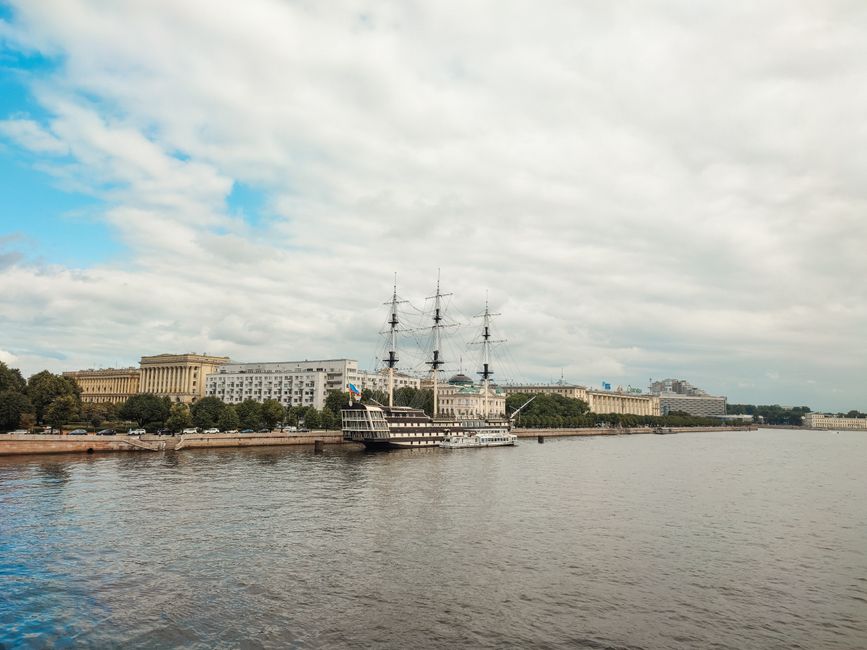
White nights do not mean the sun stays above the horizon all night. That is the first myth to drop. Around the June solstice, Tallinn and Helsinki get long daylight, late sunsets, and enough civil twilight to walk outside at 1 a.m. without a torch. The result is better than a checklist trip: two compact capitals, one short sea crossing, and evenings that refuse to end.
The winning plan is four days. Start in Tallinn, cross to Helsinki after two nights, and keep the final evening for the city that suits your pace. Tallinn delivers the stronger old-town atmosphere. Helsinki wins on waterfront space, saunas, design, and easy outdoor wandering.
What white nights actually feel like in Tallinn and Helsinki
In both cities, the light changes rather than disappears. Around June 20 to 24, Tallinn sees sunrise at roughly 4:00 a.m. and sunset close to 10:40 p.m. Helsinki reaches daylight even earlier, with sunrise near 3:55 a.m. and sunset around 10:50 p.m. Exact times shift by date, but the practical point stays the same: after sunset, the sky remains bright enough for long walks, photographs, and outdoor dining.
Is it daylight all night?
No. The sun goes below the horizon, and the color becomes cooler and softer. You still get a dark band in the sky, especially around midnight, but it never turns into the deep black you expect from a normal summer night farther south. This light is excellent for photography and terrible for anyone who expects their body to understand the clock.
Why does Tallinn feel more atmospheric after midnight?
Tallinn is the better first stop because its medieval core works with the strange light. Stone lanes, church towers, old walls, and small courtyards look dramatic at 11 p.m., then quiet and almost private after midnight. The Old Town is compact enough to cross on foot, so you do not waste the brightest hours on transport.
What does Helsinki add?
Helsinki feels more open and modern. The city spreads into parks, islands, market squares, swimming spots, and long waterfront paths. That makes it the stronger second stop for travelers who want a slower finish. Walk along the shore, use a public sauna, and let the evening stretch instead of forcing another museum into the schedule.
Pack an eye mask, but do not overreact. The biggest problem is not permanent brightness; it is the temptation to stay outside until 2 a.m. every night because the sky still looks inviting. Save one late evening for each city and protect the other nights for sleep.
Tallinn first wins the four-day route
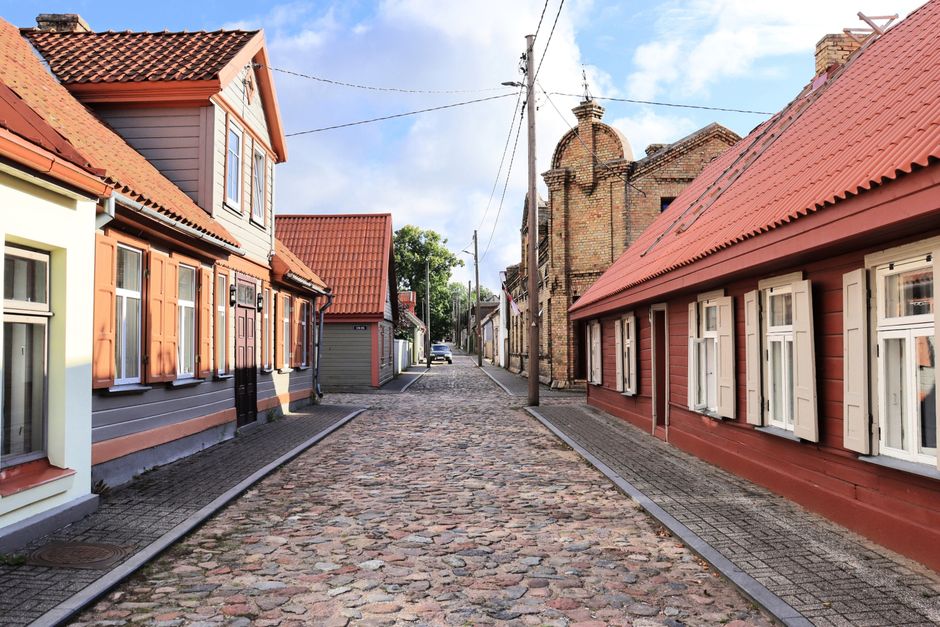
Tallinn first is the right order for most visitors. Its historic center gives the trip an immediate sense of place, while Helsinki works better when you already know how to pace yourself around the long light.
Use the first two days for Tallinn
Keep day one inside the Old Town, but do not spend every hour on the main square. Walk the city wall sections, climb to the viewpoints around Toompea, then leave the tourist core for Kalamaja and Telliskivi. Day two should mix neighborhoods with a slower evening beside the water or in Kadriorg. Tallinn rewards aimless walking more than a packed attraction list.
| Stop | Best use of time | Ideal timing | Verdict |
|---|---|---|---|
| Tallinn Old Town | Stone lanes, viewpoints, medieval architecture | Late afternoon to midnight | Best city for atmosphere |
| Kalamaja and Telliskivi | Cafes, creative spaces, neighborhood walks | Day two afternoon | Best break from historic streets |
| Helsinki waterfront | Markets, shore paths, open views | Late afternoon and evening | Best for a slower second half |
| Suomenlinna | Fortress paths, sea air, island views | Half a day in calm weather | Worth it when the forecast is good |
Give Helsinki the final two days
Use the crossing day for Helsinki rather than treating it as a wasted transfer. Arrive, leave your bags, and walk the harbor, Market Square, Esplanadi, and Design District without trying to conquer the whole city. Save Suomenlinna for a stable-weather morning. If the wind is hard and rain is moving in, choose museums, cafes, and a sauna instead.
This order also protects the trip from a common mistake: starting with Helsinki, rushing through Tallinn as a day trip, and remembering both cities as blurred ports. Two nights in Tallinn creates room for its late-night character. Helsinki then gets the open-ended finish it handles best.
Take the ferry and build the crossing into the trip
The ferry is the point, not a minor transport detail. Flying between Tallinn and Helsinki takes less time in the air, but airport transfers and security remove most of that advantage. The sea crossing takes roughly two hours and puts you directly into the city centers.
Choose the crossing by timing
Tallink Shuttle’s MyStar is a fast ferry option with a crossing of about two hours. Viking Line’s Viking XPRS and Eckerö Line’s Finlandia usually take around two hours and fifteen minutes, depending on the sailing and conditions. None needs a hard sell: choose the departure that protects your best daylight rather than the operator with the loudest onboard advertising.
- Book the departure before the hotel. Midsummer sailings fill quickly, especially around weekends and the June 20 to 24 period.
- Leave margin for the port. Reach the terminal at least 45 minutes before departure, with more time if you have luggage or a reserved vehicle space.
- Do not plan a major attraction immediately after docking. Allow time for disembarking, walking out of the terminal, and reaching your accommodation.
- Stand outside during the crossing. The Baltic view is part of the experience, and the changing light makes the trip feel like a real leg of the journey.
- Use a flight only for a tight onward connection. Finnair can cover the route in roughly 30 to 40 minutes in the air, but airport time makes it the wrong choice for a relaxed city break.
What should you bring on board?
Bring a light jacket, water, headphones, and a small meal if you dislike crowded cafes. The deck can feel cold even on a bright June afternoon. Keep your passport accessible, because Estonia and Finland are both in the Schengen Area but ferry operators still require valid travel documents for the international crossing.
The clear winner is the ferry for a city break. It saves the airport routine, gives you a useful view of the Baltic, and lands you close to the action in both capitals.
The mistakes that ruin a white-night break
Mistake one: treating long light as unlimited energy
Stay out late once, not every night, because your body still responds to lost sleep even when the sky looks bright, and a traveler who spends three nights chasing midnight views will meet day four exhausted, irritable, and unable to enjoy Helsinki properly.
Mistake two: packing for a warm southern summer
June can bring bright sunshine, cold wind, sudden rain, and temperatures that drop sharply near the water, so pack trousers, a waterproof layer, comfortable walking shoes, and one warm top instead of relying on shorts and a thin shirt.
Mistake three: making every stop an appointment
White nights reward flexible plans because the best moments often arrive after a museum closes, when a side street empties, a harbor catches the last light, or a quiet park becomes more interesting than the attraction you had scheduled.
Mistake four: booking a day trip with no weather escape
Do not build the whole Helsinki section around Suomenlinna or the whole Tallinn section around a long coastal walk unless you have indoor alternatives ready, because wind and rain can change the comfort of an exposed Baltic itinerary within an hour.
Which city should get your last night?
Should you finish in Tallinn?
Finish in Tallinn if your priority is atmosphere, old architecture, and late walks through a compact center. The city feels most distinctive after the day-trippers leave, so a final night there gives you the strongest closing scene.
Should you finish in Helsinki?
Finish in Helsinki if you prefer open space, food, saunas, swimming, and a smoother route to a flight from Helsinki Airport. It is also the better final stop for a traveler who wants a quiet morning rather than one more medieval alley.
What is the best four-day split?
Spend two nights in Tallinn and two in Helsinki, with the ferry crossing between them on day three. That split is long enough to catch the character of both cities and short enough to keep the trip focused.
My final choice is Tallinn first, Helsinki second, and one late night in each. The Baltic cities are becoming a stronger summer category because the payoff is not one landmark; it is the rare feeling that a normal evening has quietly turned into extra travel time.