
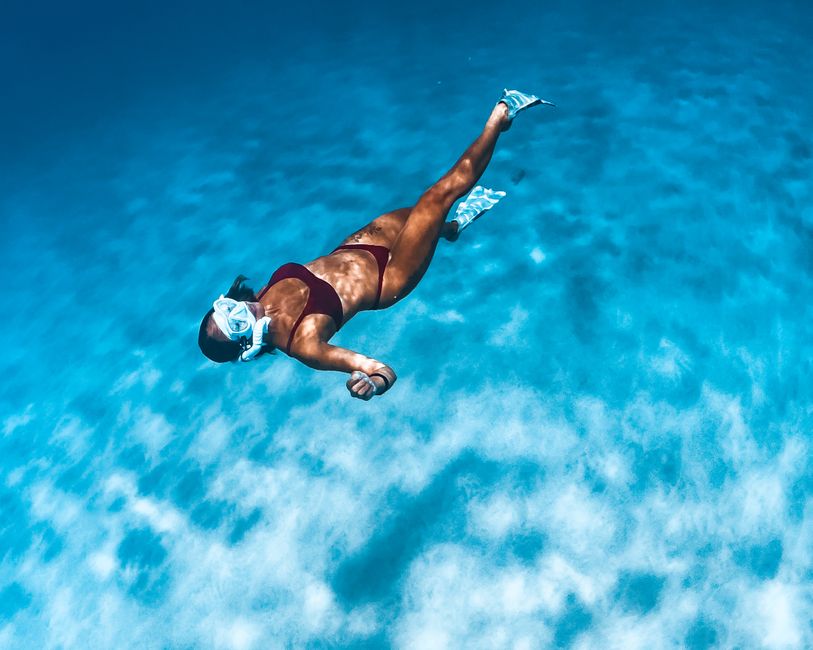
A common misconception is that late spring means every cenote will be warm, quiet, and reliably dry. The water stays cool year-round, May can feel brutally hot above ground, and June brings a higher chance of short afternoon storms. The reward is excellent: clear water, fewer holiday crowds than peak winter, and enough daylight for a well-planned swim day.
For most travelers, the best plan is simple. Visit in May if you want the most predictable weather. Choose an open or semi-open cenote for an easy first swim. Arrive early, shower before entering, carry cash, and treat every posted rule as a water-protection rule rather than a nuisance.
May or June: the better month for a cenote swim
May is the better bet for a first cenote trip because it offers the strongest balance of heat, daylight, and lower storm risk. June works well for travelers who can accept a flexible schedule and check the forecast each morning. The table below gives a useful starting point for a 2026 visit, but local operators can change hours or prices without much notice.
Use the morning for the water
| Timing | What to expect | Best use | Planning note |
|---|---|---|---|
| 7:30–9:00 | Cool roads, soft light, fewer groups | Drive and first swim | Best window for photos and calm water |
| 9:00–12:00 | Facilities open and crowds build | Main swimming session | Many cenotes begin public entry around 9 a.m. |
| 12:00–15:00 | Hottest road conditions | Lunch or a second nearby cenote | Allow time for shade and hydration |
| 15:00–17:00 | Higher storm risk in June | Short local visit | Do not make this your only swimming window |
Why late afternoon is a weak default
Late afternoon sounds attractive because the heat eases, but it leaves little room for delays. A locked gate, slow lunch, wrong turn, or sudden storm can turn a relaxed swim into a rushed exit. Ik Kil, near Chichén Itzá, lists public access from 9 a.m. to 5 p.m. and includes a life jacket with admission. That schedule favors an early visit, especially if you also plan to see the archaeological site. Check the official site before leaving because entry rules and fees can change.
Which cenote type is right for your first swim?
The best cenote is not automatically the deepest, most famous, or most photographed. Choose the setting that matches your comfort in water. A first-time swimmer usually gains more from an easy exit and clear safety instructions than from a dramatic cave with no natural light.
Open cenotes are the easiest starting point
An open cenote has a collapsed roof and feels closer to a natural swimming hole. There is usually more daylight, a clearer view of the entry points, and less concern about bumping into rock overhead. Ik Kil is visually dramatic, while Yokdzonot offers a large open swimming area reached by an 18-meter staircase. Yokdzonot’s water surface measures about 40 by 40 meters and reaches a maximum depth of roughly 45 meters, so a flotation vest still matters even for confident swimmers.
Semi-open cenotes offer the best balance
Semi-open cenotes combine sunlight, rock shelter, and clearer underwater features. They suit travelers who want atmosphere without committing to a dark cave. Look for broad platforms, sturdy ladders, staff on site, and a marked swimming zone. If a cenote has a long drop, narrow ledge, or no visible exit, do not treat it as a casual photo stop.
Cave cenotes are for guided exploration
Cave cenotes reward snorkelers, divers, and confident swimmers who enjoy low light and enclosed spaces. They also expose weak planning quickly. You may need a guide, a flotation vest, and a strict route. At Dos Ojos near Tulum, regular swimming areas and guided cave experiences are sold as different activities. Choose the plain swim if you want a simple dip. Choose a guided tour only if you are comfortable following instructions in dark water.
How to build a safe cenote swimming day
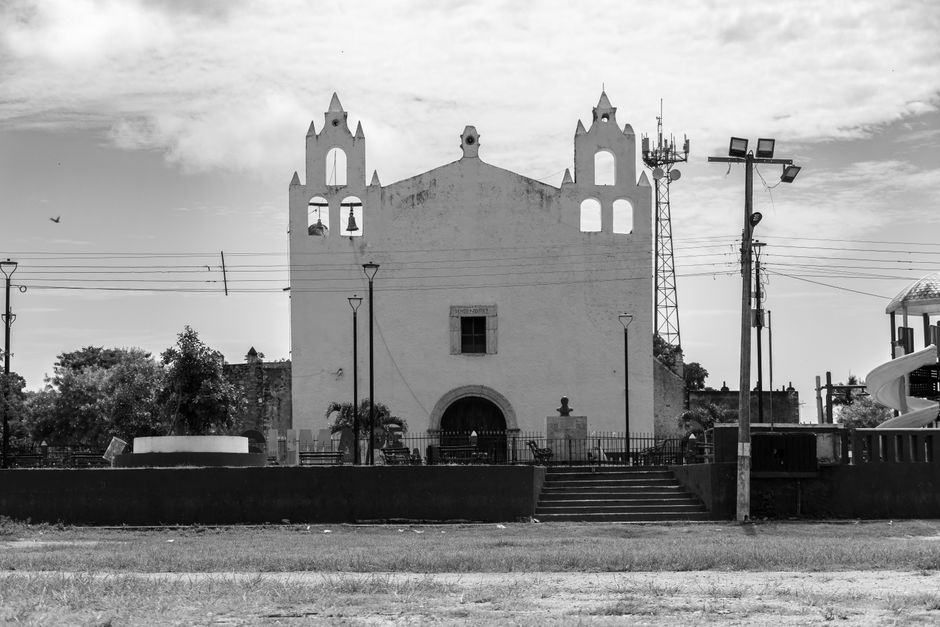
The safest day does not require special athletic ability. It requires a short sequence that prevents the most common problems: dehydration, poor timing, missing cash, and entering water before you understand the site.
Follow this six-step plan
- Check the weather and the operator’s social media or official page before leaving your hotel.
- Choose one main cenote and one nearby backup rather than crossing the peninsula for several famous names.
- Carry cash in Mexican pesos, a small towel, dry clothes, drinking water, and a waterproof pouch for keys.
- Use the rinse shower before swimming. Sunscreen, body oils, insect repellent, and cosmetics can damage water quality.
- Wear the life jacket if staff require it, even if you can swim. The rule protects tired swimmers and keeps rescue simple.
- Leave before a thunderstorm reaches the site. Wet ladders and exposed platforms become much harder to manage.
Know the limits of your own swimming
Cenote water can look calm while dropping sharply a few meters from the edge. Do not dive from an unknown platform, swim beneath a low ceiling, or enter a restricted passage. Children and weak swimmers should stay within arm’s reach of an adult and use the provided flotation equipment. If you feel cold, dizzy, or short of breath, exit immediately. The correct response is not to prove that you can stay in longer.
Which late-spring routes make the most sense?
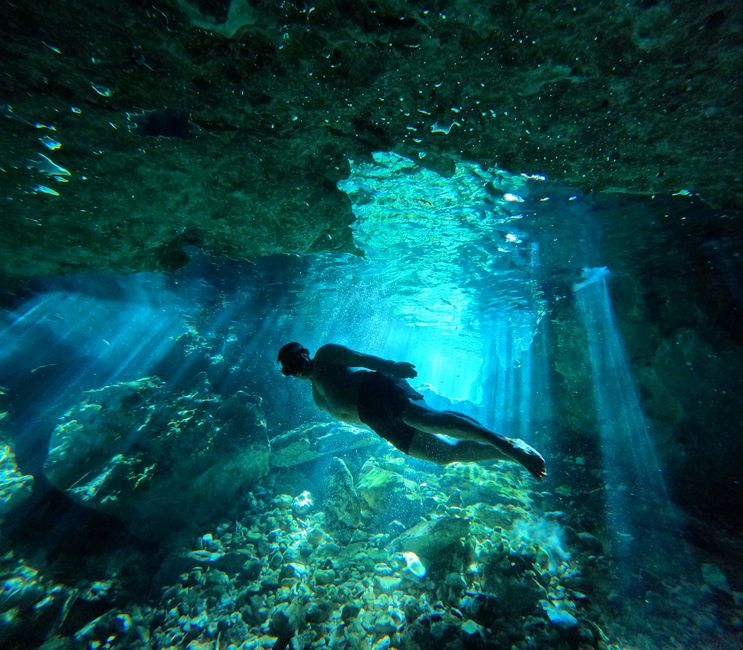
Pick a route by geography, not by a long list of names saved on a map. The strongest itinerary gives you one meaningful swim, a meal, and enough time to return before the weather turns.
For Chichén Itzá, choose Ik Kil or Yokdzonot
Ik Kil is the convenient choice when Chichén Itzá is the main event. It is close to the archaeological site, has changing facilities, and lists a 9 a.m. to 5 p.m. public schedule. Expect a more organized visitor experience and more people during the middle of the day. Yokdzonot is the better pick for travelers who want a community-managed site and a larger open-water setting.
For a Mérida base, use Homún or Cuzamá
Homún and Cuzamá work well as full-day excursions from Mérida because several cenotes sit within the same rural area. Do not try to swim at every stop. Choose two sites with different formats, such as one open cenote and one cave or semi-open cenote. Local guides can help with directions and access, but agree on the price and number of stops before entering the vehicle.
For Tulum, choose between convenience and quiet
The Tulum area offers polished parks and heavily visited names such as Dos Ojos, but costs and crowds rise quickly. Use a major park if you want clear facilities, marked zones, and guided options. Choose a smaller community cenote if you value quiet more than a famous photograph. The tradeoff is simple: the famous sites make logistics easier, while smaller sites may offer a calmer swim but fewer services and less predictable opening information.
For current access details, verify the official Ik Kil information, review the Yucatán government profile for Yokdzonot, and check the latest Yucatán tourism guidance before departure.
What mistakes ruin a late-spring cenote visit?
My strongest recommendation is to make the cenote your first major activity of the day. That single choice protects the swim from heat, crowds, late lunches, and afternoon storms. It also gives you time to change clothes before a long drive.
Avoid these common failures
- Arriving at noon and expecting quiet water at a famous cenote.
- Planning Chichén Itzá, two distant cenotes, and a long dinner on the same day.
- Assuming every cenote accepts cards or has a reliable phone signal.
- Using sunscreen after staff have asked visitors to rinse or avoid it.
- Ignoring a required life jacket because the water appears calm.
- Jumping from a ledge without checking depth, rocks, and local permission.
- Driving through a storm because a prepaid schedule feels more important than safety.
When should you skip the swim?
Skip a remote cenote if the forecast shows lightning, the access road is flooded, or the operator cannot confirm that swimming is open. Choose a hotel pool or a coastal beach instead if someone in your group cannot handle ladders, cold water, or deep drops. A cenote is not automatically the better experience. For most first-time visitors in late spring, one early open cenote with clear rules is the best choice because it delivers the scenery without turning weather, depth, and logistics into unnecessary risks.
The single most important takeaway is to swim early, follow the site’s water rules, and keep your late-spring schedule flexible enough to leave before storms arrive.