
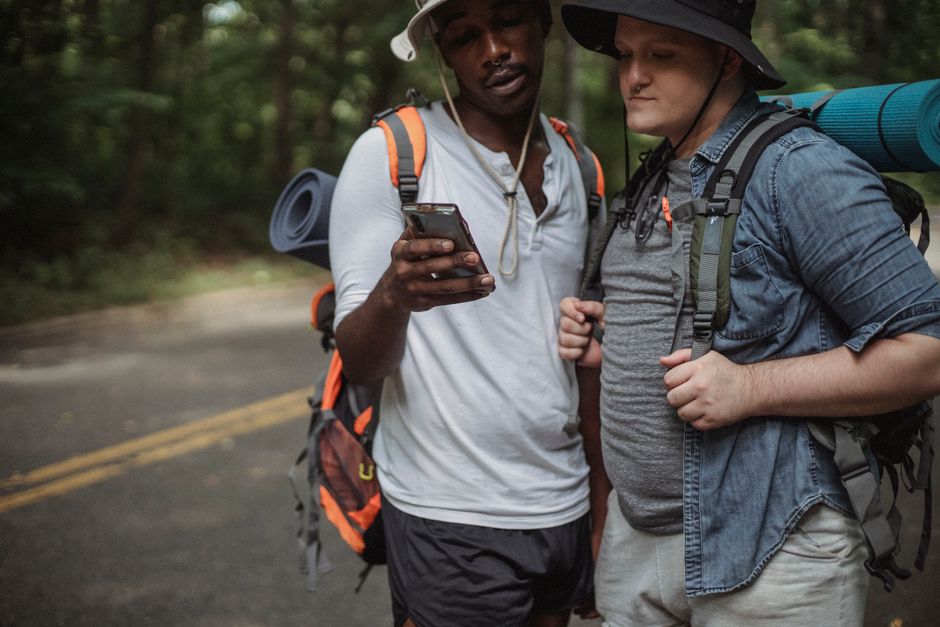
Roughly 7,000 people apply for a Pacific Crest Trail long-distance permit each year. About 3,000 actually start. Fewer than 700 finish in a single season. The trail isn’t hard because the walking is hard. It’s hard because people get the preparation wrong.
You’re reading this because you’ve watched the YouTube videos, read the blogs, and now you’re thinking: can I actually do this in 2026? The answer is probably yes, but not the way you’re currently planning it.
This guide skips the romantic trail descriptions. You already know about the sunsets. Instead, we’re covering the four things that actually determine whether you make it past the first 200 miles: permits, timing, gear weight, and the mental game.
The Permit Problem Nobody Warns You About
The Pacific Crest Trail Association (PCTA) issues permits in two rounds. Round one happens in November 2026 for 2026 start dates. Round two happens in January 2026. If you miss both, you’re not out of luck, but you’ll be piecing together local permits from places like Cleveland National Forest and Inyo National Forest.
Here’s what actually matters: the PCTA caps starts at 50 people per day from the southern terminus at Campo, California. The most popular start dates—mid-March through late April—fill within minutes of the portal opening. If you’re flexible, pick a weekday start in early March or early May. Those slots last longer.
You need a permit for any hike over 500 continuous miles. Shorter section hikes use local permits instead. The PCTA permit is free, but you must commit to a specific start date and location. Changing either requires canceling and reapplying.
What Happens If You Don’t Get a Permit
You have three options. First, hike southbound starting in July from the Canadian border. Southbound permits are less competitive but require you to finish before snow returns in October. Second, flip-flop: start somewhere in the middle, hike north, then return to hike the southern section. Third, piece together local permits for each national forest and park you pass through. This is legal but tedious—you’ll need permits from at least 10 different agencies.
The PCTA website has a full list of local permit offices. Bookmark it. You’ll need it if the lottery doesn’t go your way.
Snow, Heat, and the Timing Window Most Beginners Miss
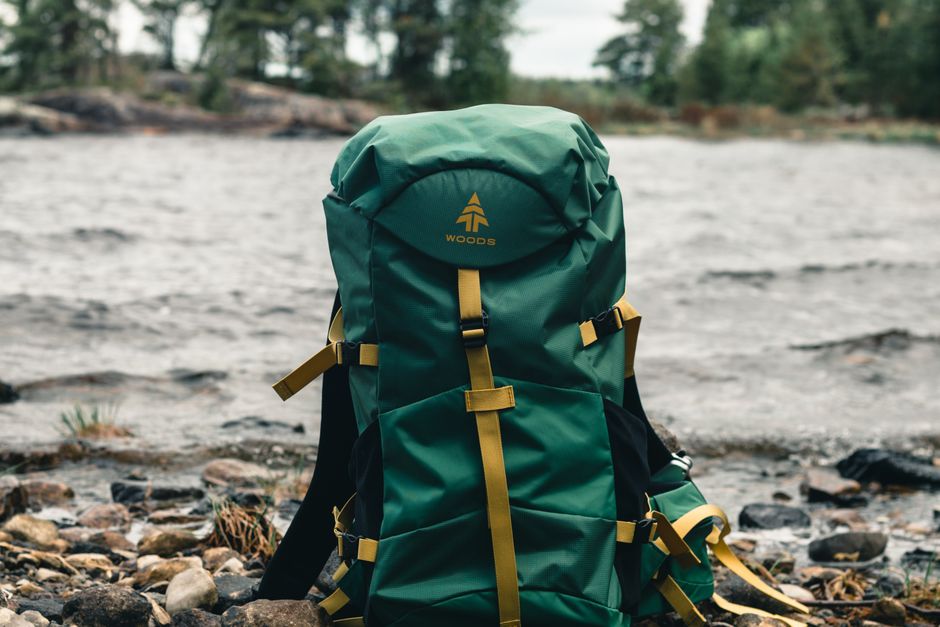
If you start from Campo on April 15th like everyone else, you’ll hit the Sierra Nevada around early June. In a low-snow year, that’s perfect. In a high-snow year, you’re postholing through ice fields and crossing raging creeks before the snow bridges melt out.
The 2026 snowpack won’t be known until March 2026. Plan for both scenarios. Here’s the timing reality:
| Start Date | Sierra Arrival | What You’re Dealing With |
|---|---|---|
| March 1-15 | Mid-May | High snow, dangerous creek crossings, cold nights. Only for experienced snow hikers. |
| April 1-15 | Early June | Variable. In low-snow years, ideal. In high-snow years, you’ll wait or flip. |
| May 1-15 | Late June | Less snow, but you’ll face 100°F+ heat in the desert section. Carry more water. |
| June 1+ | July | Snow mostly gone, but you’ll need to finish before October storms in Washington. |
The desert section kills more unprepared hikers than the snow does. From Campo to Kennedy Meadows, you’re walking 700 miles through some of the driest terrain in North America. Water carries of 20-30 miles are common. The heat in May regularly hits 100°F.
Start too early and the Sierra buries you. Start too late and the desert cooks you. The sweet spot for most beginners in 2026 is a mid-April start, assuming average snow. Check the California snowpack reports in March and adjust.
Gear That Survives 2,650 Miles (And Gear That Won’t)
Your gear will break. Plan for it. The average thru-hiker replaces their shoes four to five times, their pack once, and their tent stakes at least twice. Buying the cheapest gear now means buying replacements later. Buying the right gear now means spending $1,500 to $3,000 up front and not much after.
Here’s what actually holds up, based on hiker surveys and trail reports from recent seasons:
- Zpacks Duplex tent ($699, 19 oz) — The most common shelter on the PCT. Two-person, single-wall Dyneema. It’s not cheap, but it’s the last tent many hikers ever buy. The Duplex handles wind well if you stake it properly.
- Hyperlite Mountain Gear Southwest 3400 pack ($379, 2.1 lb) — Dyneema pack that survives the desert abrasion and Sierra snow. The 55L capacity fits a bear canister horizontally, which matters in the Sierra.
- Garmin inReach Mini 2 ($399, 3.5 oz) — Satellite messenger with two-way texting. Cell service is nonexistent for days at a time. This isn’t optional; it’s the device that saves your life if you break a leg 30 miles from the nearest road.
- Altra Lone Peak 8 ($140 per pair) — The unofficial PCT shoe. Wide toe box, zero drop, drains fast. You’ll go through four to five pairs. Budget $600-$700 just for shoes.
- FarOut Guides app ($40 for the PCT bundle) — The navigation app every hiker uses. Offline maps, water source updates, campsite reviews. Download it before you start and pay for the full PCT bundle.
Your base weight—everything except food, water, and fuel—should be under 15 pounds. Under 12 is better. Every pound you carry adds roughly 5% to your energy expenditure per mile. Over 2,650 miles, that’s the difference between finishing and quitting.
The Gear Mistake That Ends Thru-Hikes
People bring too much. They bring camp shoes, a chair, a book, a camera, a full first-aid kit, extra clothes. By mile 100, they’re mailing things home. By mile 500, they’ve quit because their pack weighs 40 pounds and their knees hurt.
Your pack should weigh no more than 25-30 pounds fully loaded with food and water for a 5-day stretch. If you’re over that, cut gear. Not food, not water—gear.
The Mental Game: Why Most People Quit Before Oregon
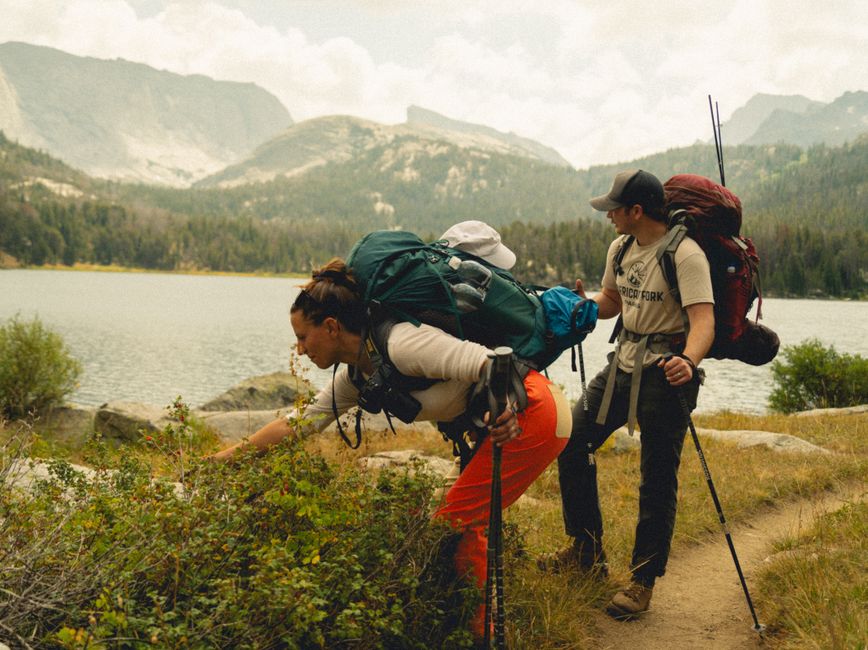
The physical challenge gets easier every week. The mental challenge gets harder. By mile 700, you’ve walked through the desert, survived the heat, and now you’re staring at the Sierra Nevada. That’s where most people quit.
Here’s the pattern: the first two weeks are euphoric. You’re meeting people, posting photos, feeling strong. Weeks three through five are a grind. Your feet hurt, you’re bored, you miss real food. Weeks six through eight are the danger zone. You’ve walked 500 miles and you’re not even a quarter done.
The hikers who finish aren’t the strongest. They’re the ones who can handle being uncomfortable for weeks at a time. They don’t need a reason to keep walking. They just keep walking.
How to Train Your Brain for 2,650 Miles
Do a shakedown hike. A real one—at least 3-4 days, ideally a week. The Pacific Crest Trail isn’t the place to learn that you hate sleeping in the rain or that your shoes give you blisters after 15 miles. Learn that on a local trail first.
Practice being bored. Most of the trail isn’t scenic vistas. It’s long stretches of forest, desert, and road walks. If you need constant stimulation, you’ll struggle.
Find your reason. Not “I want to challenge myself”—that’s too vague. Something specific. “I want to prove to myself I can finish something hard.” “I want to see the Sierra in June.” “I want to walk home to Oregon.” Write it down. You’ll need it in week seven when you’re sitting in a motel in Tehachapi wondering why you’re doing this.
What It Actually Costs in 2026
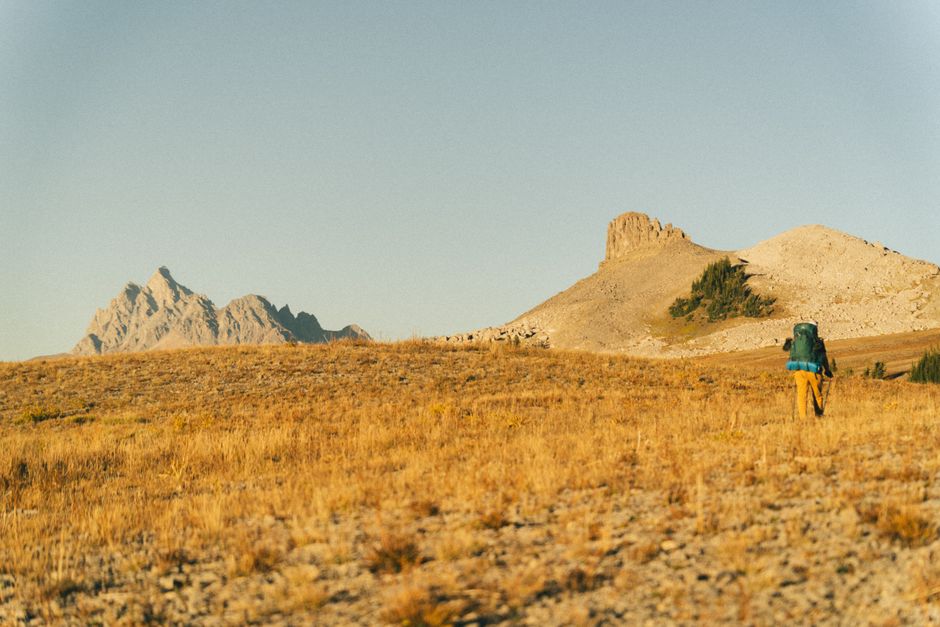
Forget the $1,000 thru-hike myth. That was true in 2010. In 2026, the average PCT thru-hike costs between $6,000 and $10,000 including gear, food, lodging, and town stops. Here’s the breakdown:
- Gear: $1,500-$3,000 up front
- Food: $3,000-$4,000 for 5 months. You’ll eat 4,000-5,000 calories per day. Food is your biggest ongoing expense.
- Town days: $1,500-$2,500. Motels, restaurants, laundry, beer. Town days are where budgets die.
- Shoes: $600-$700 for four to five pairs
- Miscellaneous: $500-$1,000 for replacements, shipping, and emergencies
The single biggest budget killer is town days. Every zero day in a motel costs $80-$150. If you take 20 zero days over the course of the trail, that’s $2,000-$3,000 just to sleep indoors and eat pizza. Some hikers love their zero days. Others push through and save money. There’s no right answer, but know what you’re spending before you spend it.
If you’re on a tight budget, camp at trailheads instead of motels, resupply at grocery stores instead of restaurants, and limit alcohol. Those three changes can cut your total cost by 30%.
The trail will change you. It will break you down and build you back up in ways you can’t predict from your couch. But it won’t do any of that if you never start because you were too busy overthinking the permit system or buying the wrong gear. Get the permit. Buy the Duplex. Start walking.